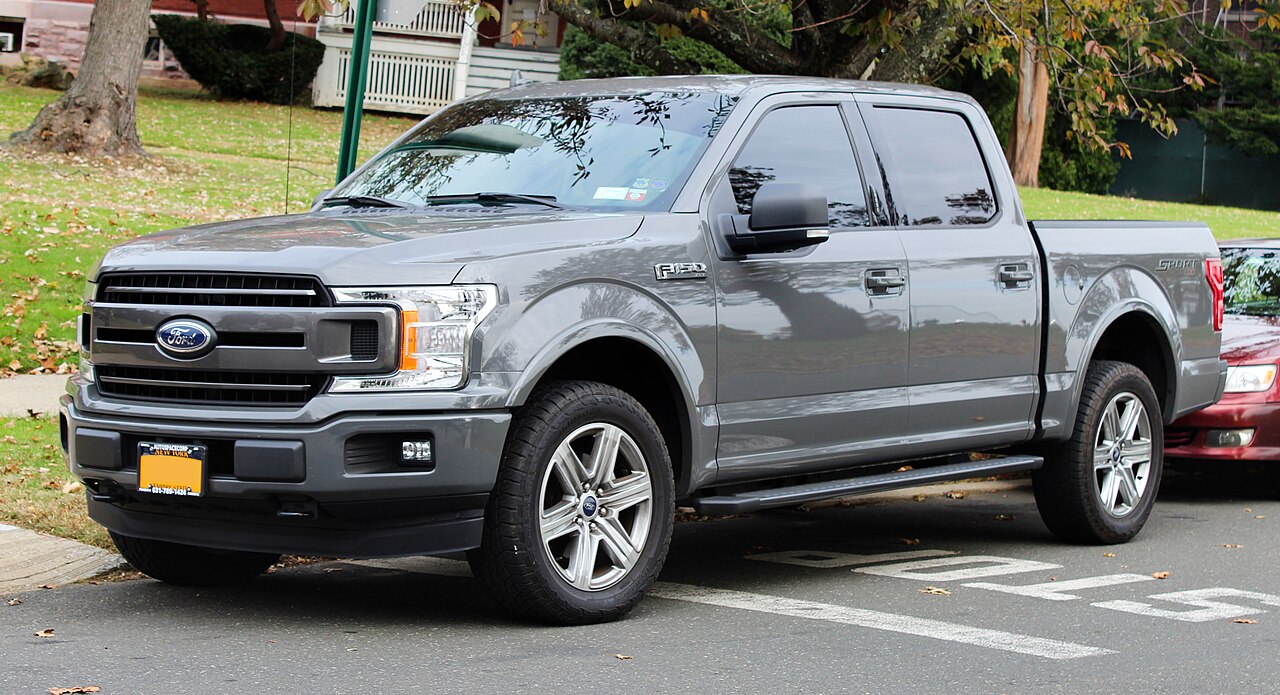
I’ve pulled more 6.0L cylinder heads than I care to count, and most of ‘em came off trucks that the owner thought he was buying smart. Low miles, clean body, big tow rating, “diesel money pit” stories were just internet chatter. Then he got the truck home and it started telling on itself.
The 6.0 Power Stroke ain’t a bad engine. It’s a bad engine as Ford built it. International (Navistar) designed it with some real architectural problems, Ford rushed it into the ‘03 Super Duty to hit emissions deadlines, and the engineering compromises showed up at every corner. A 6.0 that’s been properly bulletproofed will outwork a 7.3 and pull better mileage doing it. A 6.0 still bone stock at 150,000 miles is a coin flip on whether next Tuesday is the day.
What actually breaks
The famous failures are connected. Most folks think head gaskets are the problem. They’re not. They’re the symptom.
Here’s the chain. The oil cooler sits on top of the engine, fed by coolant. Over time it silts up with casting sand, oil residue, and coolant breakdown product. Once it plugs, the EGR cooler downstream stops getting flow. EGR cooler heats up, boils its internal coolant, and ruptures. Now you’ve got a high-pressure coolant leak inside the intake. That coolant gets pushed into combustion chambers. Cylinder pressure spikes. The 18 head bolts (yes, only 18 — that’s part of the problem) stretch. Heads lift. Combustion gas pushes into the cooling system. White smoke out the tailpipe, coolant overflow, the truck’s done.
So when somebody says “head gaskets blew on my 6.0,” what really happened is the oil cooler clogged 40,000 miles ago and nobody caught it.
The other repeat offenders, in roughly the order I see ‘em:
- FICM (Fuel Injection Control Module) — fails from heat soak, voltage drops below 45 volts, hard start when hot, eventually no start. Run a voltage test at idle. If it ain’t between 47-48V, it’s tired. Around DFW where summer heat soaks the FICM real good, I see hot-no-starts pop up earlier than the rest of the country. Texas is hard on these trucks.
- Injectors — internal spool valve sticks, dribble fuel, knock under load. Often gummed by water in fuel or extended drain intervals.
- HPOP (high-pressure oil pump) and the STC fitting that connects it. The fitting is the famous one. Pops loose, no oil pressure to injectors, no start.
- Turbo — VGT vanes stick from soot. Causes overboost codes and dead pedal. Pull and clean every 60-80k.
- Coolant degradation — Ford spec’d Gold coolant. It breaks down by 40k miles. Most failed oil coolers were running coolant that was a year past its grave.
What you’ll see and hear
If you’re shopping one or already own one, here’s what the truck tells you:
- White, sweet-smelling smoke at startup that clears as it warms — coolant getting into a cylinder, head gasket already leaking
- Coolant level slowly disappearing with no puddle on the ground — same answer
- Hot-start hesitation or extended cranking when warm — FICM voltage is low
- Bucking under load, especially uphill towing — sticky injectors or VGT
- Oil in the coolant overflow tank — oil cooler is shot
- Coolant smell from the tailpipe — EGR cooler ruptured
Pull the degas bottle cap when the truck’s cold. Run it. If you see bubbles within a couple minutes, combustion gas is getting into the cooling system. That truck needs heads off.
What it costs to set right
Real numbers from Texas shops, not internet wishful thinking:
- Head studs (ARP) + head gaskets with the engine in the truck: $3,500–$5,000 labor + parts. Cab-off is $5,000-$7,500 and is honestly the better way if you’ve got the money.
- EGR delete + oil cooler relocation kit: $1,200–$2,000 installed. This is the move that prevents the head gasket failure in the first place. EGR delete is technically a federal emissions violation. Every diesel shop in the state of Texas does it anyway. Your call.
- Full “bulletproof” package (head studs, EGR delete, oil cooler relocation, updated FICM, fuel system upgrades): $8,000-$12,000.
- Reman injectors (set of 8): $2,800-$4,000 installed.
- FICM: $400-$700 for a refurb with a tune, half a day’s labor.
A 6.0 that’s been properly built — studded, EGR-deleted, oil cooler relocated, good injectors, fresh coolant on a 30k schedule — is a 400,000-mile engine. The original architecture problems are all addressable. They just weren’t addressed at the factory.
Should you buy one? Keep yours?
If you’re shopping: only buy a 6.0 that already has documented head studs and an EGR/oil cooler fix. Pay for those receipts. A bulletproofed 6.0 with 200k miles is worth more than a stock one with 80k, and any Texas diesel guy will tell you the same. Walk away from any seller who says “it’s never had a problem” on a stock truck. Either he’s lying or he’s fixin’ to be wrong.
If you own one stock: don’t wait for it to fail. Budget $5-8k and have the work done before the head gaskets go, not after. Once you’ve got coolant in a cylinder, you’re often pulling injectors and dealing with hydrolocked surprises that turn a $5k job into a $10k job.
If yours has already gone? Get a real diesel shop, not the dealer, to quote heads off, do it right, and bulletproof it while it’s apart. Don’t half-fix a 6.0. You’ll just be paying labor twice.
The 6.0 has a worse reputation than it deserves on the engineering side and a better reputation than it deserves with bone-stock examples. Know which one you’ve got.