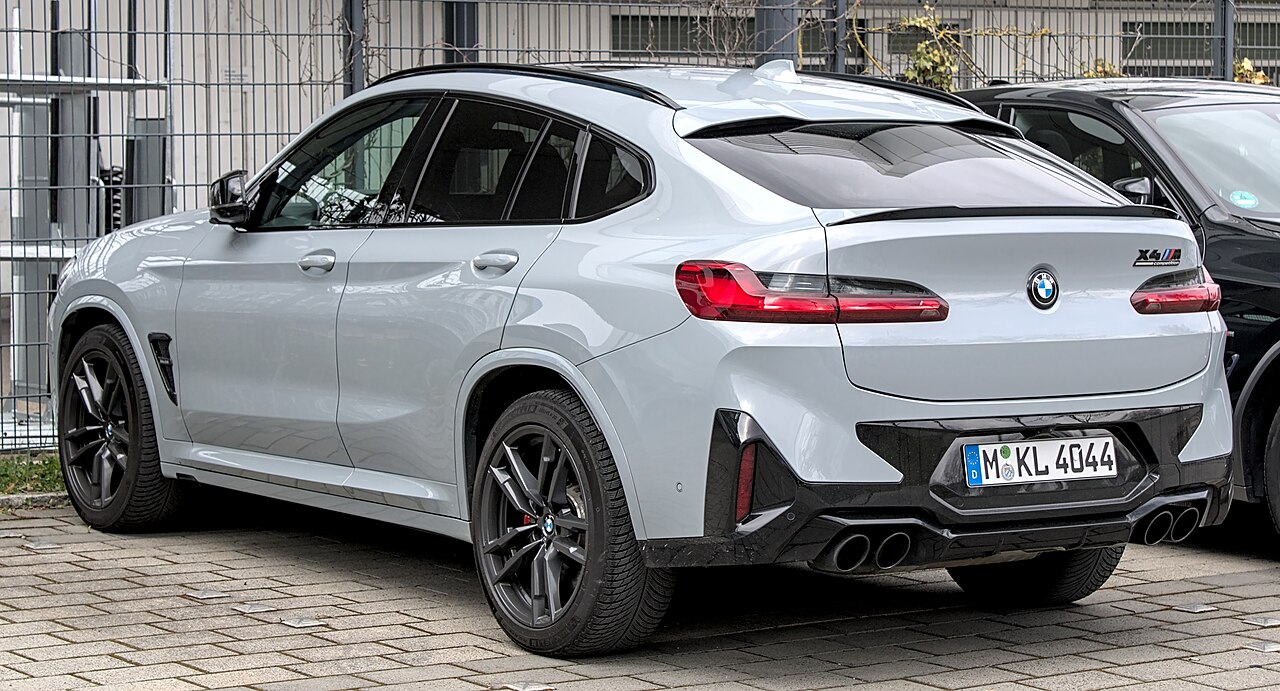
The 2016 BMW X4 has 10 NHTSA owner complaints and 2 recalls on file (U.S. federal records, as of September 2026). The most-reported system is engine at 3 complaints, typically surfacing around 90,000 miles (~$3,100 to repair). Source: NHTSA Office of Defects Investigation.
Solid reliability overall. Common issues are concentrated in a few systems.
0
Critical
2
Severe
0
Moderate
Should you avoid this 2016 X4?
Generally reliable
Buyable on the data — keep up the usual maintenance and inspect normally.
No systemic severe-failure pattern in the complaint record
Reliability score 8.4/10 — above the segment average
2 recall campaigns on file
Our read of the federal NHTSA complaint and recall record for this exact year and model —
not a substitute for a pre-purchase inspection. How we score.
Buying a used 2016 BMW X4? Check these first
Here's what this model is known to do — so you can inspect for it, price it in, or
make the seller fix it before you sign.
What to inspect on this specific car
engine — 3 owner reports
· tends to show around 90,000 mi · ~$3,100 to fix
Recalls to confirm are done
Run the VIN from the listing — 2 active recalls on this model. Recall repairs are always free.
Verdict for buyers: 8.4/10 model. The priciest documented failure is
engine (~$3,100) — get the
seller's service records for it or inspect closely. Otherwise an average-risk used buy at a fair price.
We tell you what this model is known for and what to inspect — a vehicle-history report
tells you what this exact car has been through. Smart buyers get both.
A noise, a warning light, a repair quote, "should I buy this?" — get an answer grounded in
this vehicle's actual NHTSA record, not generic advice.
Dash light, leak, worn part — snap it and we'll read it against this car's record.
Photo attached — type a question or just hit Ask.
Answers use this vehicle's NHTSA complaint & recall record — owner-reported and unverified, not a diagnosis. Verify anything safety-critical with a mechanic.
Embed this reliability snapshot
Free to use on your site, post, or video — just keep the "Source" credit line below the chart. Preview the widget →
What owners are saying
recent NHTSA-filed complaints · verbatim
2016 X4· brakes
After starting vehicle and putting it into drive, I received a Parking Brake Malfunction error message. The electronic parking brake was engaged and it could not be release allowing the vehicle to move. I attempted to reset the electronic parking brake following the…
My daughter [XXX] had an oil change on 2-23-2024, and was told that fluid was leaking. In less than 2 weeks, the leakage had worsen. All the electrical components were flashing and the vehicle was cutting on and off. Eventually it stopped running. Her fiance, [XXX] , had the…
The contact owns a 2016 BMW X4. The contact was notified of NHTSA Campaign Number: 24V608000 (Engine and Engine Cooling, Electrical System); however, the part to do the recall repair was not yet available. The local dealer was made aware of the issue and confirmed that parts…
Vehicle has stalled while in operation (at speed) 5 times since owning. All were very dangerous situations for my wife and surrounding drivers. All issues were apparently "fuel system" related. I purchased this vehicle on May 11, 2018 (POC) from Fields BMW South Orlando, FL.…
Had a problem with your 2016 BMW X4?
File a complaint with NHTSA → It's free and official — owner filings are what build the federal safety record behind this page.
Estimate your repair exposure
Drag to your current mileage. Numbers are derived from this vehicle's complaint history.
Fix: Dealers will inspect and replace the water pump and plug connector as necessary, and install a protective shield, free of charge. Owner notification letters were mailed on March 28, 2025. Owners may contact BMW customer service at 1-800-525-7417.
BMW of North America, LLC (BMW) is recalling certain model year 2011-2017, X3 sDrive28i, X3 xDrive28i and X3 xDrive35i, vehicles manufactured July 2, 2010 to April 14, 2016, 2015-2017 X3 xDrive28d vehicles manufactured March 10, 2014 to March 31, 2016, and 2015-2017 x4 xDrive28i, X4 xDrive35i and X4 xDriveM40i vehicles manufactured March3, 2014 to April 15, 2016
Damaged lower anchor bars may increase the child's risk of injury in the event of a crash.
Fix: BMW will notify owners, and dealers will weld a reinforcing bracket to the lower anchor bars and the vehicle body, free of charge. The recall began on July 13, 2016. Owners may contact BMW customer service at 1-800-525-7417.
Under investigation
1 open at NHTSA
EAAir Bags › Frontal · opened September 2021
NHTSA has an open defect investigation covering this vehicle — the step that can precede a recall, not a finding of fault. EA21002 on NHTSA →
Mostly yes. With a reliability score of 8.4 out of 10 based on 10 owner complaints filed with NHTSA, the 2016 BMW X4 is generally a sound vehicle. The areas to watch are listed in the top problem section above — most are budget items, not deal-breakers.
Should you avoid the 2016 BMW X4?
On the NHTSA data, the 2016 BMW X4 does not need avoiding. Buyable on the data — keep up the usual maintenance and inspect normally. The record behind that call: No systemic severe-failure pattern in the complaint record; Reliability score 8.4/10 — above the segment average; 2 recall campaigns on file. This is our read of the federal complaint and recall data — not a substitute for a pre-purchase inspection.
What should I check before buying a used 2016 BMW X4?
Inspect the engine first — it's the most-reported issue on this model, with 3 owner complaints filed. Typical failure occurs around 90,000 miles. Average repair cost runs about $3,100 at an independent shop. Also confirm any open recalls have been completed by running the VIN, and ask for service records covering the problem areas listed above.
Is the 2016 BMW X4 a good used car to buy?
It scores 8.4 out of 10 on our NHTSA-based read of 10 owner complaints. The main thing to watch is engine. Typical failure occurs around 90,000 miles. Priced fairly and clean on inspection, it's a reasonable used buy. Our data covers what this model is known for — pair it with a vehicle-history report on the VIN to see what that specific car has been through.
What's the most common problem on the 2016 BMW X4?
Based on NHTSA records, the most-reported issue is engine, with 3 complaints filed. Typical failure occurs around 90,000 miles. Average repair cost runs about $3,100 at an independent shop.
What's the most expensive thing that goes wrong?
The engine is one of the costlier repair items. Average repair cost runs about $3,100 at an independent shop. Typical failure occurs around 90,000 miles. Catching early warning signs can sometimes extend life by 20–30,000 miles.
How do I check if my BMW X4 has open recalls?
Paste your VIN into the decoder at the top of this page. We pull live from NHTSA, so you'll see exactly which campaigns apply to your vehicle and whether the dealer has logged the fix. Recall repairs are always free regardless of mileage or warranty status.
Is an extended warranty worth it on a 2016 BMW X4?
Math is straightforward: a quality service contract runs $1,800–3,500 over 3 years. With 10 complaints on file and the costliest repair averaging $3,100, one major failure more than pays for it. The catch is reading the contract — many providers exclude wear items and require pre-authorization, so cheaper plans are not always better value.
Recall and complaint data sourced from the National Highway Traffic Safety Administration (NHTSA)
public records database, last synced 1 day ago. Verify the raw federal record at
nhtsa.gov/vehicle/2016/BMW/X4.
Editorial commentary written by ProblemsByVin contributors and reviewed by ASE-certified mechanics.
We are not affiliated with BMW. Some links on this page are affiliate links and we
may earn a commission if you purchase through them.