2026 Lexus TX Recalled Over Power Train
A broken rear axle carrier can cause a sudden loss of vehicle stability and control, increasing the risk of a crash.
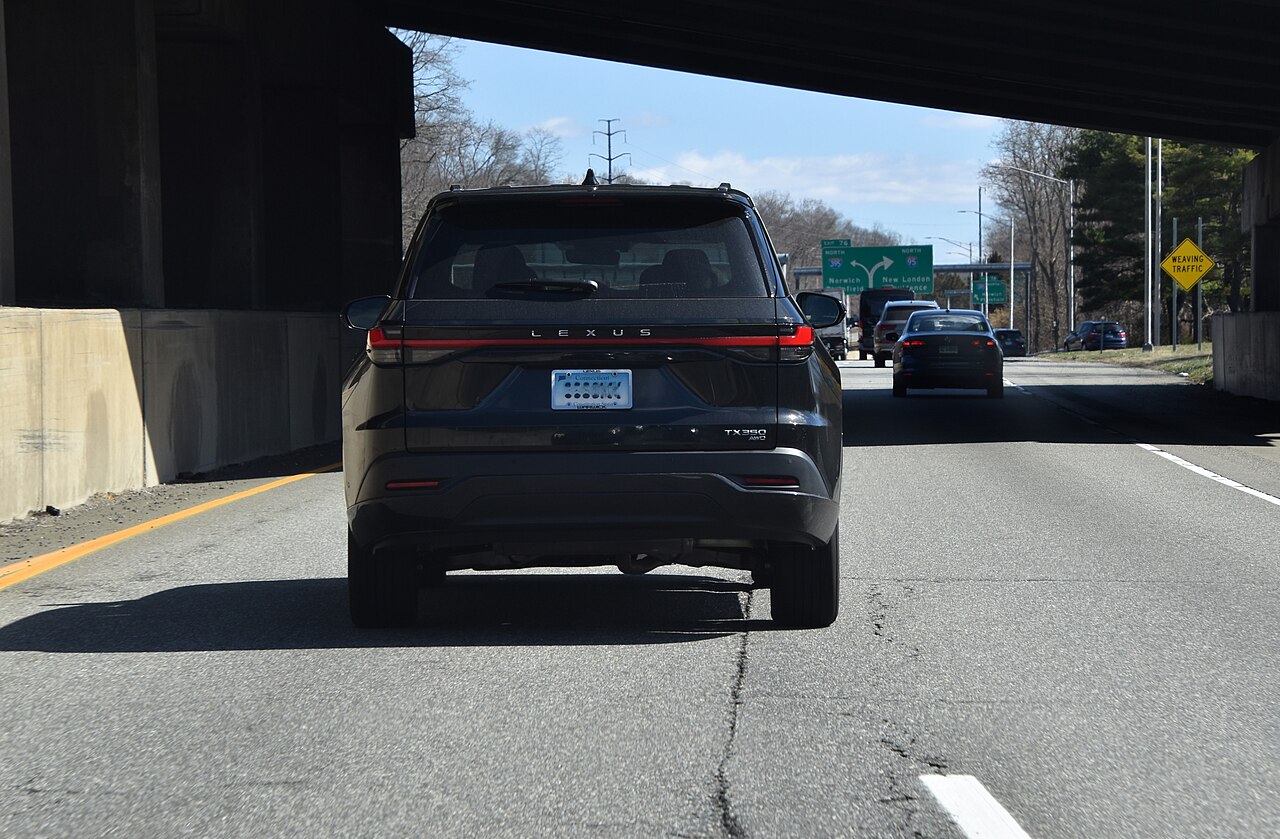
Here’s the short version: Toyota is pulling back a batch of brand-new 2026 SUVs because the rear axle carrier — a structural part that holds your back wheels where they belong — may have been built with metal that isn’t strong enough. If it breaks while you’re driving, you can lose control. That’s not a “keep an eye on it” problem. That’s a get-it-checked problem.
The recall is NHTSA campaign 26V437000, filed July 8, 2026. It covers 5,408 vehicles across the Lexus and Toyota lineups.
What actually fails
The part in question is the rear axle carrier. Think of it as the housing and mounting structure that supports the rear axle assembly and keeps your rear wheels aligned and located under the vehicle. It takes load every time you drive, brake, corner, or hit a bump.
According to Toyota’s filing, some of these carriers were manufactured with insufficient material strength. In plain English, the metal isn’t as tough as it’s supposed to be. Under normal driving stress, a weak carrier can crack and break.
When a rear axle carrier breaks, the geometry that keeps your back end planted comes apart. Toyota says that can cause a sudden loss of vehicle stability and control. You wouldn’t necessarily get a warning light or a slow-building symptom to work with. A structural break like this can happen suddenly, and that raises your crash risk — especially at speed or mid-corner.
Which vehicles are covered
The recall hits certain 2026 model-year vehicles across both brands:
- 2026 Lexus TX Plug-In Hybrid
- 2026 Lexus TX Hybrid
- 2026 Lexus TX
- 2026 Toyota Grand Highlander Hybrid
- 2026 Toyota Grand Highlander
These are new three-row SUVs, so a lot of these are family haulers. That matters. A rear-end stability problem in a vehicle you load up with kids and cargo is exactly the kind of thing you don’t want to sit on.
What the filing says
Toyota Motor Engineering & Manufacturing filed the recall with NHTSA on July 8, 2026, under campaign number 26V437000. The affected component is listed under POWER TRAIN: AXLE ASSEMBLY, and the total count is 5,408 vehicles.
The fix: dealers will inspect the rear axle carrier sub-assembly code to figure out whether your vehicle got a bad part. If it did, they’ll replace the sub-assemblies. That work is free of charge — no cost to you, that’s how a safety recall is supposed to work.
Owner notification letters are expected to go out August 23, 2026. Toyota’s internal numbers for this recall are 26TB13, 26TA13, 26LB08, and 26LA08. If you need to reach them directly, Toyota’s customer service line is 1-800-331-4331.
What this means if you own one
-
Run your VIN. Don’t assume that because your SUV is new, it’s fine. This recall is specifically about 2026 vehicles. Check your VIN against NHTSA’s recall lookup for campaign 26V437000 so you know for certain whether yours is included. You can do this before the letter arrives.
-
Watch the calendar. Owner letters are expected around August 23, 2026. If your VIN comes back as affected, you don’t have to wait for the mail to call your dealer and get on the schedule.
-
Take any rear-end symptom seriously. This is a structural part. If you feel unusual noise, clunking, or looseness from the rear of the vehicle, or the back end feels unsettled, don’t drive around hoping it settles down. Get it inspected. A broken axle carrier isn’t something you want to discover on the highway.
-
The repair is free — hold them to it. Inspection and, if needed, replacement of the sub-assembly is at no charge. If a dealer tries to bill you for anything tied to this recall, that’s not how it works. Point them to campaign 26V437000 and Toyota’s recall numbers.
-
Document everything. Keep the notification letter, write down the dates you called, and get your repair order in writing showing what was inspected and whether the part was replaced. If you ever have a problem down the road, that paper trail is your proof.
-
Know your hub. You can follow this issue and any future ones on the 2026 Lexus TX and 2026 Toyota Grand Highlander pages.
My take
This is a small recall by the numbers — a little over 5,400 vehicles — but it’s a serious one by category. A rear axle carrier that can break is a structural safety defect, not a squeak or a software glitch. The good news is Toyota caught it early on a fresh model year and the remedy is a straightforward inspect-and-replace with a clear part-code check, so the fix should be clean once you’re at the dealer.
If your VIN is on the list, treat it like a priority, not a suggestion. Get it inspected, get the part swapped if it needs it, and keep the paperwork. New vehicle or not, a part that holds your rear wheels in place isn’t something to gamble with.