Nissan recalls 2025 Sentra sedans over driveshaft that can leak transmission fluid and cause loss of drive pow
An improperly seated driveshaft can cause a transmission fluid leak and a loss of drive power.
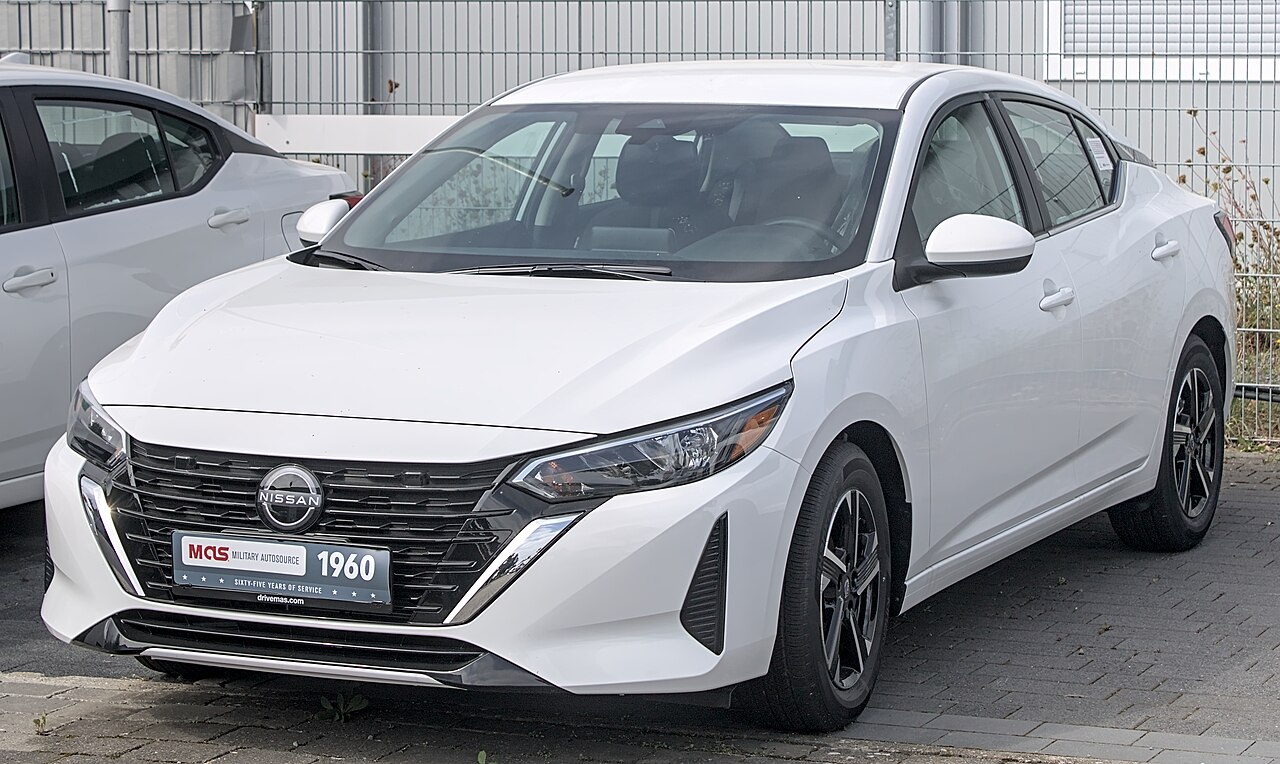
Here’s the short version: if you own a 2025 Nissan Sentra, the front left driveshaft might not be fully seated where it plugs into your transmission. That can leak fluid and, worst case, leave you without power to the wheels. Nissan is recalling these cars to fix it, and the repair is free.
Let me walk you through what’s actually happening under the front of your car and what you should do about it.
What actually fails here
Your Sentra uses a continuously variable transmission — a CVT. The driveshaft is the part that carries power from that transmission out to the front wheel. On the left side, that shaft slides into the CVT assembly and locks into place. It’s supposed to seat fully, with a snug, positive connection.
On the recalled cars, the filing says the front left driveshaft may not be fully seated in the CVT. When that joint isn’t seated all the way, two things can go wrong.
First, the transmission can leak fluid at that connection. A CVT lives and dies by its fluid. It needs the right amount, at the right pressure, to move power through the belt-and-pulley setup inside. Lose fluid and you’re asking for trouble.
Second — and this is the one that matters most on the road — you can lose drive power. That means the engine may run, but the wheels don’t get the power they’re supposed to. You could be pulling into traffic, merging, or climbing a grade and suddenly the car isn’t going anywhere the way you told it to. That’s not a minor annoyance. Losing the ability to accelerate when you’re counting on it is a safety problem.
What the filing says
This is NHTSA campaign PMA68, covering the 2025 Nissan Sentra.
The defect, in the government’s words: the front left-side driveshaft may not be fully seated in the CVT assembly. The consequence: a transmission fluid leak and a loss of drive power.
The fix is straightforward on paper. Dealers will inspect that front left driveshaft. If it’s not right, they’ll replace the driveshaft and the CVT assembly. All of it at no charge to you. That’s the correct remedy — they’re not just reseating the shaft and sending you on your way, they’re replacing the parts if the inspection turns up a problem.
Here are the dates that matter. VINs became searchable on NHTSA.gov on June 30, 2026. Owner notification letters are expected to be mailed August 5, 2026.
What this means if you own one
-
Run your VIN. Go to NHTSA.gov and enter your 17-digit VIN, or check the 2025 Nissan Sentra recall records. The VINs went live June 30, 2026, so the search will tell you whether your specific car is included. Don’t assume you’re clear just because a friend’s Sentra isn’t on the list — this goes VIN by VIN.
-
Don’t wait on the letter to pay attention to symptoms. Notification letters aren’t expected until August 5, 2026. That’s a gap. If you notice a fluid leak under the front of the car, a puddle where you park, or any hesitation or loss of power when you accelerate, get it looked at now. Those are exactly the symptoms this recall is about.
-
Watch the ground under your car. CVT fluid leaking from that driveshaft connection is one of the warning signs here. If you spot fresh fluid near the front left wheel area, treat it as a reason to call your dealer, not something to top off and ignore.
-
Get the free repair when it’s available. The inspection and, if needed, the driveshaft and CVT replacement are free. That’s your right under a safety recall. A dealer cannot charge you for a recall remedy on a covered vehicle. If anyone tries to, that’s not how this works.
-
Document everything. If you’ve already had drive-power trouble or a fluid leak on your Sentra, keep your records — repair orders, dates, what you paid if you paid anything. If you had related work done before the recall, that paperwork matters if reimbursement comes into play down the road.
My take
This is a clean, well-defined recall. Nissan knows what the problem is — a driveshaft that may not be fully seated — and the fix isn’t a band-aid. Replacing the driveshaft and the CVT when the inspection calls for it is the right call, because a CVT that’s been running low on fluid or fighting a bad connection isn’t something you want to gamble on.
The part I’d flag is the timeline. VINs were searchable at the end of June 2026, but letters aren’t going out until early August. That means the responsibility is on you to check your VIN early rather than waiting for the mail. A loss of drive power is the kind of failure you feel at the worst possible moment, so if your Sentra is on the list, treat it seriously and get on your dealer’s schedule.
You can cross-check the details through the Kelley Blue Book recall database, which pulls from NHTSA, or through autoevolution’s recall coverage. Run your VIN, watch for leaks and power loss, and let the dealer do the fix on their dime.