2026 Ford F-150 Recalled Over Power Train
Rear wheel lock-up can result in a loss of vehicle control. Driveshaft separation can result in a loss of drive power, or a vehicle rollaway if the vehicle
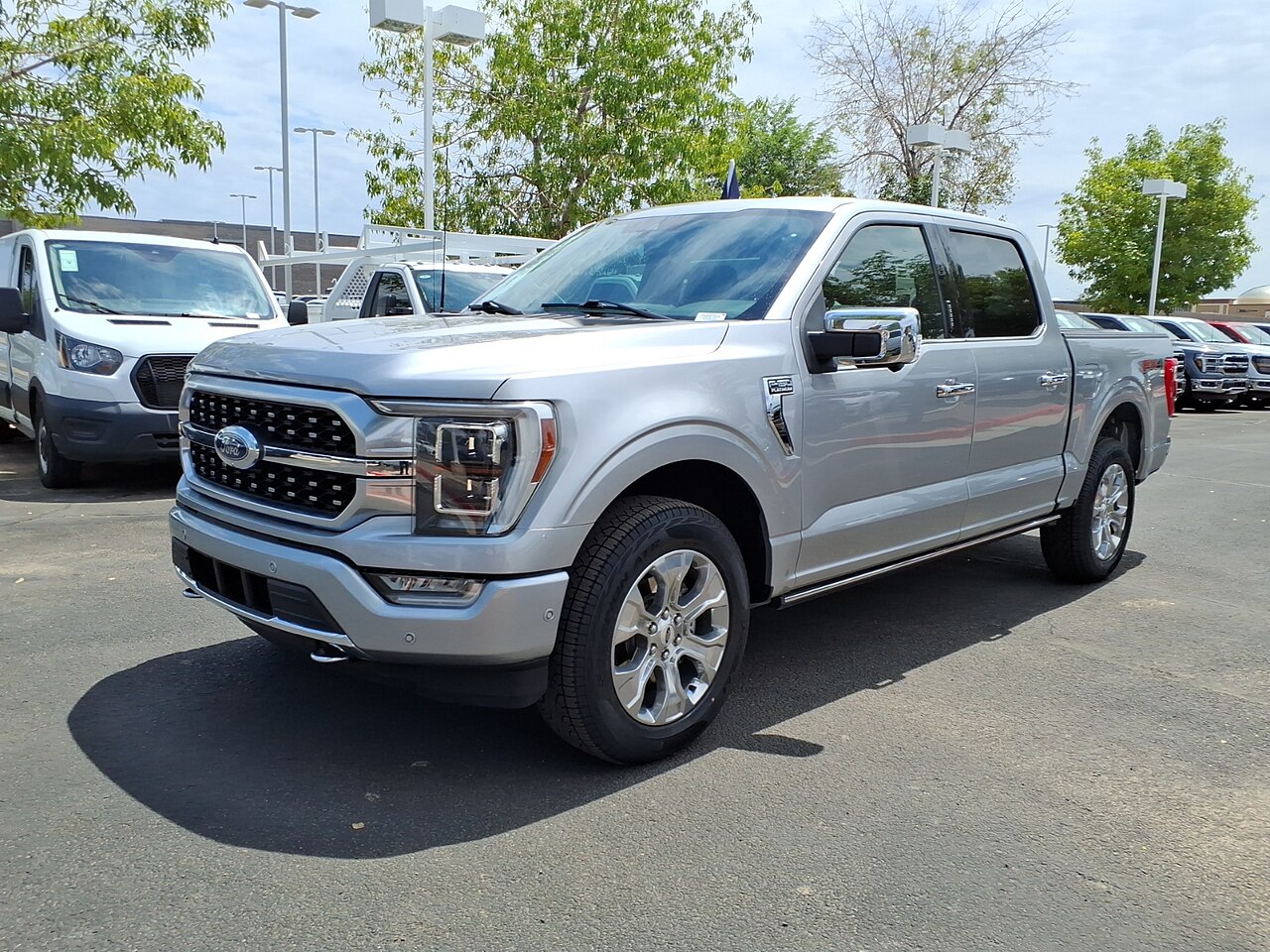
Here’s the short version: Ford put the wrong rear axle bearing in a small batch of brand-new F-150s, and if it fails, your rear wheels could lock up or your driveshaft could come apart. That’s a serious way for a truck to behave, and it’s exactly why this recall exists.
Only 37 trucks are involved, all 2026 F-150s. That’s a tiny number, but if yours is one of them, the size of the recall doesn’t make you any safer. Here’s what’s going on and what you do about it.
What actually fails
The problem lives in the rear axle. According to the filing, incorrect rear axle tail bearings may have been installed at the factory. The tail bearing supports the pinion and the driveline where power comes into the differential. Get the wrong bearing in there and two bad things can happen.
First, the rear wheels can lock up. That’s not a gentle slowdown. Locked rear wheels mid-drive can throw the back end of the truck around and take control right out of your hands.
Second, the driveshaft can separate. If that spinning shaft breaks free from the axle, you lose drive power on the spot. And if the truck is parked without the parking brake set, it can roll away on its own, because the transmission’s park function relies on that driveline being connected to hold the vehicle.
Either way, the filing spells out the risk plainly: increased chance of a crash or injury. Loss of control at speed and a rollaway in a parking lot are both on the table here.
What the filing says
Ford Motor Company reported this recall to NHTSA, with the agency recording it on September 9, 2026. It’s filed under NHTSA campaign number 26V576000, and Ford’s internal number for the job is 26S63.
The affected population is 37 vehicles, all 2026 F-150s. The remedy is straightforward: dealers will replace the rear axle tail bearing at no charge to you.
Owner notification letters are expected to go out September 21, 2026. If you want to check earlier, the VINs in this recall become searchable on NHTSA.gov starting September 14, 2026.
What this means if you own one
With only 37 trucks in play, the odds are your F-150 isn’t affected. But “probably fine” isn’t the same as “confirmed fine,” and this is one you verify rather than assume.
-
Run your VIN. Starting September 14, 2026, the VINs for this recall will be searchable at NHTSA.gov. Enter your 17-digit VIN there, or search campaign 26V576000 directly. That’s how you get a yes or no that actually applies to your truck.
-
Watch and mail. Owner letters are expected to be mailed September 21, 2026. If you bought a 2026 F-150 recently and the address on file might be stale, make sure Ford can reach you.
-
Don’t ignore rear-end symptoms. A failing bearing back there can show itself before it lets go completely. If you feel or hear a growl, whine, or rumble from the rear that changes with speed, or you get any driveline vibration or clunk, get it looked at now. Don’t drive on it and hope. This is a lock-up and separation defect, not a squeaky-brake nuisance.
-
Set your parking brake, every time. The filing calls out rollaway risk if the truck is parked without the parking brake applied. Until yours is confirmed clear or repaired, use the parking brake as a habit, especially on any grade.
-
Get the repair scheduled and it’s free. Dealers replace the rear axle tail bearing at no cost. You don’t pay for parts or labor on a recall remedy. If a dealer tries to charge you, that’s not how this works. Ford’s customer service line for this recall is 1-866-436-7332, and the recall reference is 26S63.
-
Keep your paperwork. Save the notification letter, write down repair dates, and hang onto the service order showing the bearing was replaced. If you sell the truck or a question comes up later, that record settles it. You can read up on your model at the 2026 Ford F-150 hub.
The honest take
Thirty-seven trucks is about as small as recalls get, and that tells me this is almost certainly a caught-early assembly issue rather than a widespread design flaw. That’s the good news.
The bad news, if you’re one of the 37, is that the failure mode is nasty. Rear wheel lock-up and driveshaft separation aren’t slow-warning problems you can nurse along. Check your VIN as soon as the lookup goes live, and if it comes back affected, get the bearing swapped before you rack up more miles. A free repair on a two-day trip to the dealer beats finding out the hard way what a locked rear axle feels like at highway speed.
Source: NHTSA recall campaign 26V576000.