NHTSA escalates probe of Tesla Full Self-Driving to engineering analysis after new crashes
Failure to detect impaired-visibility conditions or alert the driver in time can result in collisions.
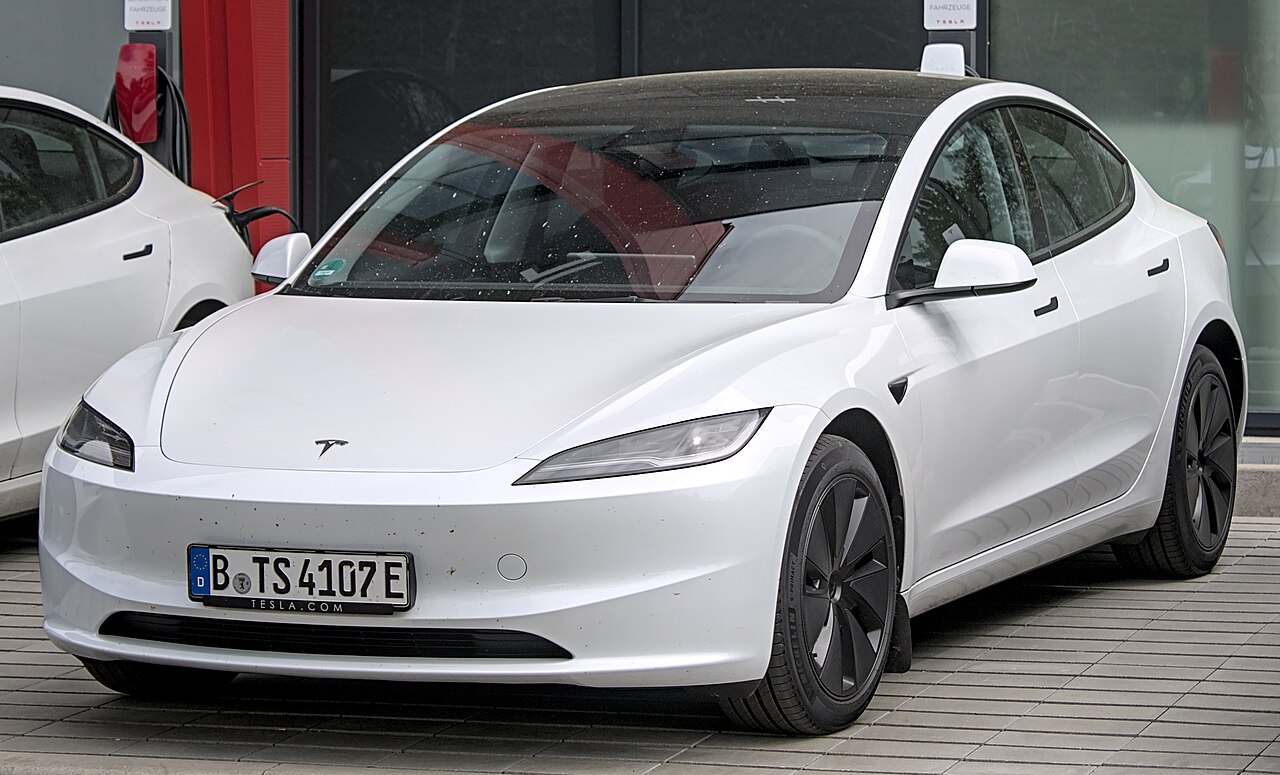
Here’s the short version: federal safety regulators just moved their Tesla Full Self-Driving investigation up a level, and that level is the one that can end in a recall. If you drive a Tesla with FSD, this is no longer a background news story. It’s about whether the system watches the road as well as you’d assume when the sun’s blinding you or the fog rolls in.
NHTSA upgraded the probe to an engineering analysis. In plain terms, that’s the second and more serious phase of a defect investigation. The agency doesn’t take that step to twiddle its thumbs. An engineering analysis is where the government digs into how the system actually performs and decides whether it rises to a safety defect. It’s the stage that comes right before a recall demand, if it gets there.
What the filing says is failing
The concern is about how FSD behaves in reduced-visibility conditions. Think sun glare low on the horizon, thick fog, or a cloud of airborne dust. In those moments, the system may not adequately detect what’s happening on the road, and it may not alert the driver in time to take over.
That second part matters as much as the first. A driver-assistance system isn’t supposed to be perfect on its own. It’s supposed to hand control back to you when it’s out of its depth. If FSD doesn’t recognize that it can’t see well, and it doesn’t warn you fast enough, you’re the one left with no time to react. The filing spells out the consequence directly: failure to detect impaired-visibility conditions or alert the driver in time can result in collisions.
Picture it from the driver’s seat. You’re rolling into low sun on a two-lane road, the kind of glare that makes you squint even with the visor down. You’ve trusted the system this whole drive. If it can’t see the car slowing ahead any better than you can, and it stays quiet, the gap between “everything’s fine” and “I needed to brake three seconds ago” closes fast.
The timeline, and why it got bigger
NHTSA opened a preliminary evaluation in October 2024. That first look covered roughly 2.4 million vehicles and started with four FSD-related crashes tied to the visibility issue.
The investigation didn’t shrink. It grew. The upgraded engineering analysis now covers about 3.2 million Teslas equipped with FSD. The crash count the agency cited went from four to nine — nine crashes where, according to the memo, the system failed to detect roadway conditions or warn the driver in time.
More vehicles, more crashes, and a bump to a more serious phase of review. That’s the direction that gets a mechanic’s attention. This isn’t a case where regulators looked closer and decided there was nothing to see.
The vehicles caught up in this are the 2024 Model 3, Model Y, Model S, and Model X equipped with FSD.
What this means if you own one
An engineering analysis is not a recall. No repair has been ordered here, and the investigation is still open. But this is the point where you pay attention, not the point where you tune it out.
-
Check your status directly. Run your VIN through NHTSA’s recall lookup and keep an eye on it. Right now this is an open investigation, not a recall, so there’s nothing to “fix” yet. If it becomes one, your VIN is how you’ll know your specific car is covered.
-
Treat FSD like the driver-assist tool it is, not a chauffeur. The whole point of this probe is that the system may not catch bad-visibility situations or warn you in time. In sun glare, fog, or dust, keep your hands ready and your eyes on the road. Be prepared to take over instantly. You are the backup, and the filing suggests you can’t assume the software will flag trouble before you see it.
-
Don’t ignore odd behavior in low visibility. If you’ve noticed the system acting uncertain, missing a slowdown, or staying silent when you expected an alert during glare or fog, that’s exactly the scenario regulators are studying.
-
Document anything that happens. If you experience a near-miss or a crash you believe involved FSD, write down the date, time, weather, and lighting conditions while it’s fresh. You can file a complaint with NHTSA. Those reports are part of how counts like “four crashes” become “nine crashes” and how investigations move forward.
-
Know how a recall works if it comes. Should this analysis lead to a recall, the fix — whether it’s a software update or something else — is free to you. That’s the law. You don’t pay for a manufacturer’s safety defect repair.
My honest take
Nothing here says your Tesla is unsafe to drive today, and I’m not going to tell you it does. What it says is that the federal government looked at FSD, found more crashes than it started with, expanded the scope to about 3.2 million vehicles, and pushed the case into the phase that can force a recall. That’s a real escalation, and it’s built around a specific, believable failure mode: the system not seeing well when you can’t see well either.
Until this is resolved, the smart move is simple. Drive like the software might miss the thing you’d catch, especially when the light or the weather turns against you. Keep your VIN handy, watch for a recall notice, and don’t hand over more trust to FSD than the current facts have earned. For the details of the escalation itself, CBT News has the reporting on the move to an engineering analysis.