NHTSA opens probe into 1.2 million Tesla Model 3 and Model Y vehicles over front suspension failures
A detached front lower lateral link can cause loss of steering control and leave the vehicle undriveable, requiring it to be towed.
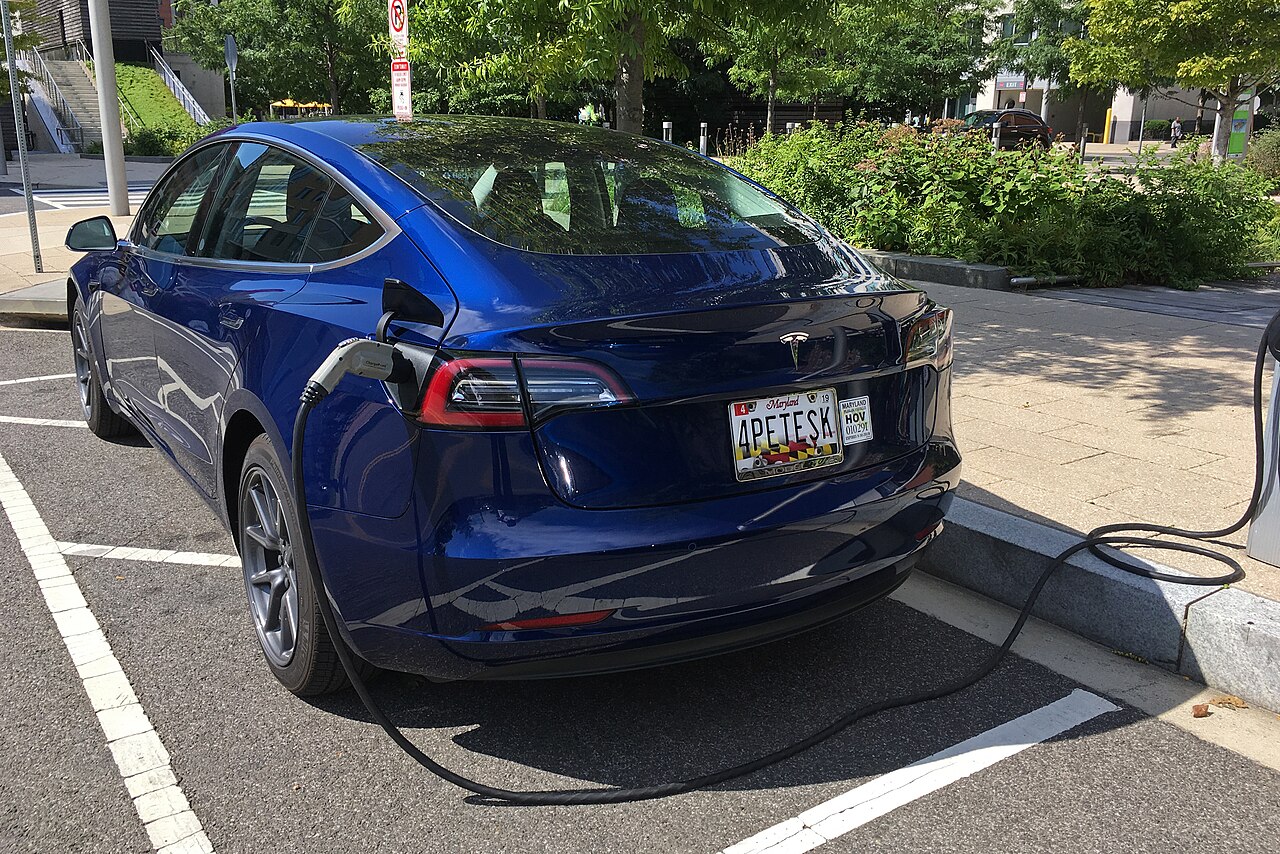
Here’s the short version: federal safety regulators just opened an investigation into about 1.2 million Tesla Model 3 and Model Y vehicles because a key piece of the front suspension has been breaking loose. When it does, owners say they lose steering control and the car has to be towed home. And most of them got no warning before it happened.
If you own one of these cars, that’s not a press-release problem. That’s a “the part holding your front wheel in place let go while I was driving” problem.
What actually fails
The part in question is the front lower lateral link. Think of it as one of the arms that ties your front wheel and its knuckle to the body of the car. The suspension links control where that wheel sits and keep it pointed where the steering wants it to go. They take real load every time you turn, brake, or hit a pothole.
When a lateral link detaches, the wheel is no longer being held in position the way it’s supposed to be. That’s why drivers are reporting loss of steering control. The geometry that keeps the car tracking straight and responding to the wheel falls apart. Once that link is gone, you’re not driving anywhere. The car has to be towed.
The part that makes this one worse than a normal wear complaint: NHTSA says most owners reported no advance warning. No clunk over bumps for a week. No wandering steering. No warning light. It just went.
What the filing says
On July 31, 2026, NHTSA’s Office of Defects Investigation opened a preliminary evaluation. That’s the first formal step the agency takes when it thinks there might be a defect worth a closer look. It’s an investigation, not a recall. Tesla hasn’t been ordered to fix anything yet.
The trigger was 156 complaints about the front lower lateral link detaching. The vehicles named cover the 2018 through 2020 Model 3 and the 2021 through 2023 Model Y. Add those up across model years and you get roughly 1.2 million cars in the scope of this probe.
According to reporting from Reuters via Insurance Journal, Electrek, and the Honolulu Star-Advertiser, this is a preliminary evaluation into the suspension component across those model years.
One thing to be clear about: Tesla issued a couple of earlier recalls tied to suspension-related concerns — a 2021 recall covering about 2,800 Model 3 vehicles and a 2023 recall covering 422 Model 3 vehicles. Based on the filing, those earlier actions do not appear to cover this same issue. So if you’re thinking “my car already got a suspension recall, I’m fine,” don’t assume that. This is a separate, much larger question.
What a preliminary evaluation means
A preliminary evaluation is NHTSA gathering data. They’ll ask Tesla for information, look at the complaints, and decide whether to upgrade to an engineering analysis, which is the deeper phase that can lead to a recall. Sometimes these investigations close with no action. Sometimes they turn into a recall covering every affected car.
Right now, nothing is mandated. But an open investigation into 1.2 million vehicles over a part that can cost you steering control is not something to file under “wait and see and forget about it.”
What this means if you own one
-
Run your VIN. Check the NHTSA recall lookup and Tesla’s own service records for your specific VIN. Even though this is an investigation and not a recall yet, you want to know if your exact car has any open recalls or service bulletins right now. Here are the hubs for the affected years: 2018 Tesla Model 3, 2019 Tesla Model 3, 2020 Tesla Model 3, 2021 Tesla Model Y, 2022 Tesla Model Y, and 2023 Tesla Model Y.
-
Don’t ignore any front-end symptom. The complaints say most failures came with no warning, so you can’t count on that. But if you do hear a clunk over bumps, feel the steering pull or wander, or notice the car doesn’t track straight, get the front suspension inspected. That’s cheap insurance against an expensive and dangerous failure.
-
Document everything. If you’ve already had a lateral link or front suspension issue on your Model 3 or Model Y, keep the repair invoices, dates, and mileage. If this investigation turns into a recall, that paper trail matters — especially if you paid out of pocket for a repair that later gets covered.
-
File a complaint if it happened to you. NHTSA acts on owner complaints. The 156 that opened this probe came from people who reported it. If your car did this, add your report at NHTSA.gov. It’s the mechanism that moves an investigation forward.
-
Know your rights on a recall repair. If this becomes a formal recall, the fix is free. Federal law requires the manufacturer to repair a safety recall at no charge to you. Don’t let anyone tell you otherwise, and don’t pay for a recall repair.
My honest take
An investigation isn’t a conviction. NHTSA opens preliminary evaluations all the time, and plenty close without a recall. So don’t panic and don’t sell the car out of fear.
But this is a real one to watch. A suspension link that detaches with no warning and takes your steering with it is exactly the kind of failure the recall system exists for. If you own a 2018-2020 Model 3 or a 2021-2023 Model Y, keep an eye on your VIN, stay on top of any front-end noise, and hold onto your records. If this moves to the next phase, you want to already be ready.