Ford recalls 2026 F-150s over improperly installed rear axle bearings
The defect can result in rear wheel lock-up or driveshaft separation, increasing the risk of a crash.
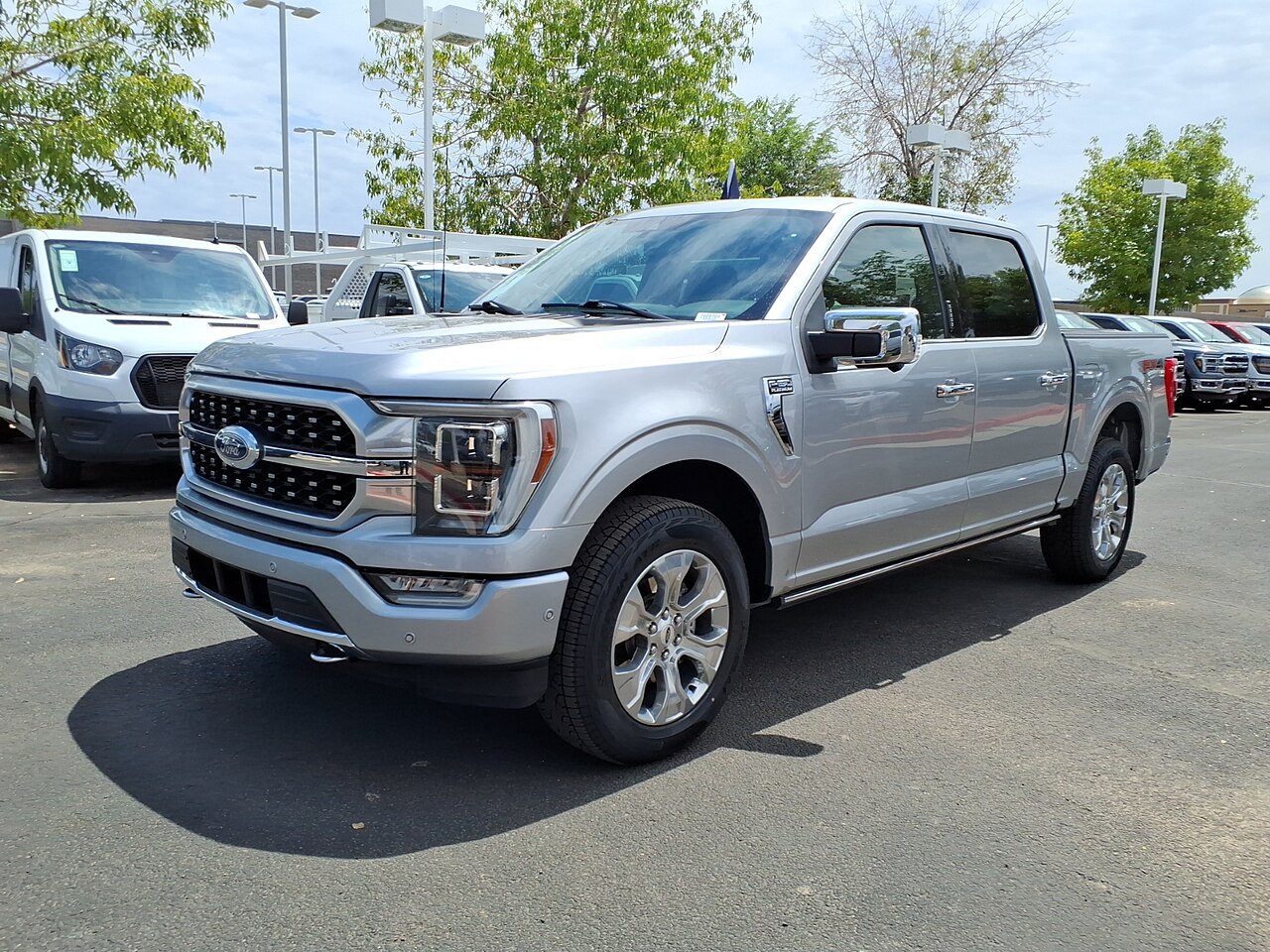
Here’s the short version: Ford is calling back a small batch of brand-new 2026 F-150 pickups because the wrong rear axle bearings may have gone in at the factory. If you own one of the affected trucks, this isn’t a squeak-when-you-turn nuisance. The failure mode here can lock a rear wheel or drop your driveshaft, and both of those can put you in a crash.
Only a handful of trucks are involved. Ford’s own count came through as 37 vehicles in one source and 17 in another. Either way, this is a tiny population, which usually points to a specific build window or a specific run of parts rather than a fleet-wide problem.
What actually went wrong
The recall covers the rear axle tail bearings. On a rear-drive setup like the F-150’s, the axle assembly rides on bearings that let everything spin freely and stay properly located. Put the wrong bearing in, and you’ve got parts that don’t fit or wear the way the engineers intended.
Ford says incorrect rear axle tail bearings may have been installed. When a bearing isn’t the right one for the job, two bad things can happen down the road, and both are in the filing:
- The rear wheel can lock up. That’s exactly what it sounds like — a wheel that stops turning while you’re moving. On a rear axle, that can swing the back end around before you know what happened.
- The driveshaft can separate. That’s the spinning shaft that sends power from the transmission to the rear axle coming apart. At speed, that’s violent, and you lose drive to the rear wheels along with it.
Either one raises your risk of a crash. That’s not me editorializing — that’s the consequence Ford reported in the filing.
You might not get a clean warning before it lets go. Sometimes a failing bearing gives you a growl or a hum that changes with speed, or a vibration you can feel through the floor. Sometimes it doesn’t announce itself at all. That’s why you don’t wait for a symptom on something like this.
The timeline
This one is fresh. Ford’s recall carries the number 26S63. The recall was reported around Sept. 12, 2026, and NHTSA said VINs would be searchable on its site beginning Sept. 14, 2026.
So if you bought a 2026 F-150 recently, the tool to check your specific truck is live now.
What this means if you own one
-
Run your VIN. Go to NHTSA.gov and enter your 17-character VIN. That’s the only way to know whether your exact truck is one of the affected units. With a population this small, most F-150 owners won’t be on the list — but you want a definite yes or no, not a guess.
-
Match it to Ford recall 26S63. When you call your dealer or check your recall status, that’s the campaign number for this rear axle bearing issue. Reference it so nobody points you at the wrong repair.
-
Don’t ignore new noises or vibration from the rear. A rising hum, a growl that tracks with your speed, or a vibration through the floor that wasn’t there before are the kinds of things a bad rear bearing can throw. If your truck is on the list and you notice anything like that, stop driving it and get it looked at.
-
Get the repair done — it’s free. A safety recall repair doesn’t cost you anything. Ford has to make it right. Don’t let a service writer talk you into paying for related work that should be covered under the campaign.
-
Document everything. Save your VIN lookup result, write down the dates you called, and keep any paperwork the dealer hands you. If you have to push to get scheduled, a paper trail is your friend.
You can keep an eye on the model here: 2026 Ford F-150.
My honest take
The good news is the scope. Whether it’s 37 trucks or 17, this is a targeted recall, not a sign that something’s wrong with every 2026 F-150 rolling off the line. That’s the pattern you want to see — Ford caught a specific parts problem and is pulling the affected trucks back before anyone gets hurt.
The reason to take it seriously anyway is the failure mode. A wheel lock-up or a driveshaft coming apart isn’t a slow-developing headache you can put off for a couple months. If your VIN comes up on the list, treat it like the priority it is, get on the schedule, and let the dealer sort the axle.
If your truck isn’t on the list, you can move on with your day. Just make the check first, because with a run this small, the only way to be sure is your own VIN.
Source: RV PRO — NHTSA weekly recalls.