Ford recalls 30,123 F-150 and Super Duty trucks
Not specified in the source reviewed.
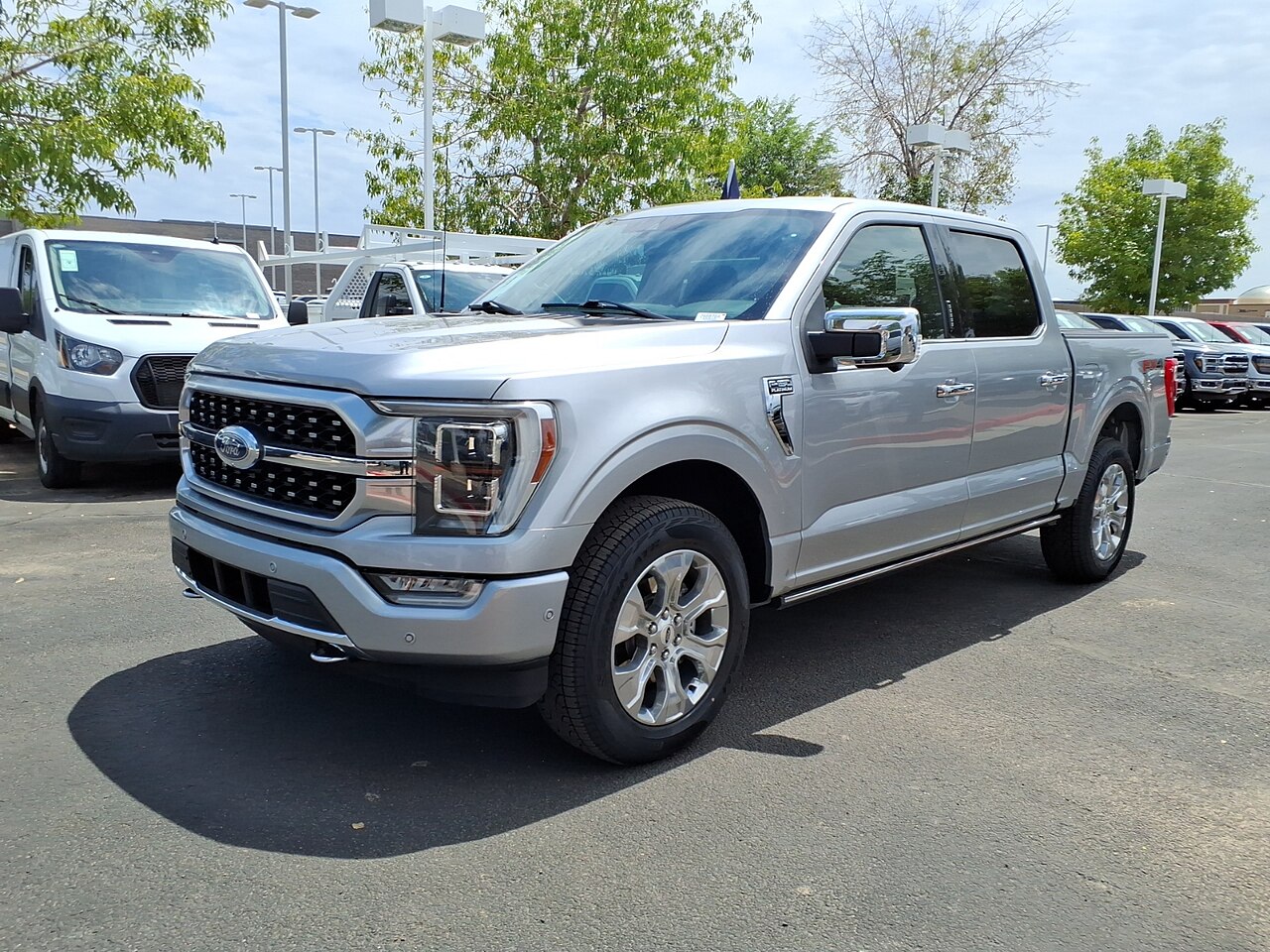
Here’s the short version: Ford is pulling back just over 30,000 of its newest trucks, and if you just bought a 2026 or 2027 F-150 or a 2026 Super Duty, yours might be on the list. The fix isn’t ready yet. That’s the part owners need to understand up front.
What the filing covers
Ford is recalling 30,123 trucks across five model configurations:
- 2026 Ford F-150
- 2027 Ford F-150
- 2026 Ford F-250 Super Duty
- 2026 Ford F-350 Super Duty
- 2026 Ford F-450 Super Duty
Ford’s internal number for this campaign is 26S78. That’s the code you’ll see referenced on Ford’s side of the paperwork.
I want to be straight with you about what I don’t have. The source I reviewed lays out the trucks involved and the notification timeline, but it does not spell out the specific defect or the safety consequence. The NHTSA campaign number also wasn’t confirmed in what I read. So I’m not going to guess at what physically fails here, because guessing on a safety recall is how people either panic over nothing or shrug off something real. When Ford’s defect description comes out, that’s the document that tells you what’s actually wrong and what you’d feel behind the wheel.
The timeline that matters
Here’s how this one rolls out.
Interim owner notification letters are expected to go in the mail on December 14. “Interim” is the key word. An interim letter tells you your truck is part of the recall, but the repair isn’t available yet. It’s Ford saying “we know, we’re working on it, sit tight.”
The actual remedy is anticipated in January. Once that fix is finalized, Ford is expected to send a second round of letters telling you the repair is ready and what to do next.
So you’re looking at two letters, not one. First the heads-up, then the green light to get it fixed.
What this means if you own one
These are brand-new trucks. A 2027 F-150 is about as fresh off the line as a vehicle gets, and that means most of the affected owners are still inside their warranty and still getting used to the thing. Here’s how I’d handle it.
-
Run your VIN. Don’t assume you’re in or out based on the year and model alone. Recalls hit specific build ranges, not every truck that rolls off the line. Plug your 17-digit VIN into NHTSA’s recall lookup or Ford’s owner site and confirm whether 26S78 applies to your exact truck. You can keep an eye on the 2026 Ford F-150 hub too.
-
Watch for both letters. The interim letter around December 14 tells you you’re affected. The second letter, expected after the January remedy, tells you the fix is ready. Don’t toss the first one thinking it’s junk mail just because it doesn’t send you to the dealer right away.
-
Don’t ignore anything that feels off in the meantime. I can’t tell you what the symptom is here because the filing I saw didn’t specify it. But that cuts both ways. If your truck does something it shouldn’t while you’re waiting on the remedy, get it in front of your dealer and have them document it against the recall. Don’t wait on a letter if something feels wrong on the road.
-
Document everything. Keep the letters. Note the dates. If you take the truck in and the fix isn’t available yet, get that in writing. A paper trail protects you if the timeline slips or if a related problem shows up later.
-
Know the repair is free. A safety recall remedy doesn’t cost you anything. That’s federal law, not a dealer courtesy. When the January fix is ready, the labor and parts are on Ford. Nobody should be quoting you a bill for recall work.
My take
There’s not a lot of hand-wringing to do here yet, and I’m not going to manufacture any. What you’ve got is a large recall on very new trucks, an interim notification coming in mid-December, and a fix that isn’t landing until January. That January wait is the real-world inconvenience. If you own one of these, you’ll know you’re affected before you know exactly what’s being repaired, and that gap can feel uncomfortable.
The honest advice is simple. Confirm your VIN, read both letters when they come, and don’t sit on a symptom just because the official remedy hasn’t shipped. Once Ford publishes the full defect description and the repair is available, that’s when you make the appointment. Until then, you’re informed and watching, which is exactly where a smart owner wants to be.
Source: RVBusiness NHTSA recall roundup — https://rvbusiness.com/nhtsa-releases-its-most-recent-installment-of-rv-recalls-147/