NHTSA opens investigation into Ford 7.3L 'Godzilla' V8 engine failures
Severe wear on lifter rollers and camshaft lobes can cause total engine failure and loss of power at highway speeds, with little or no warning.
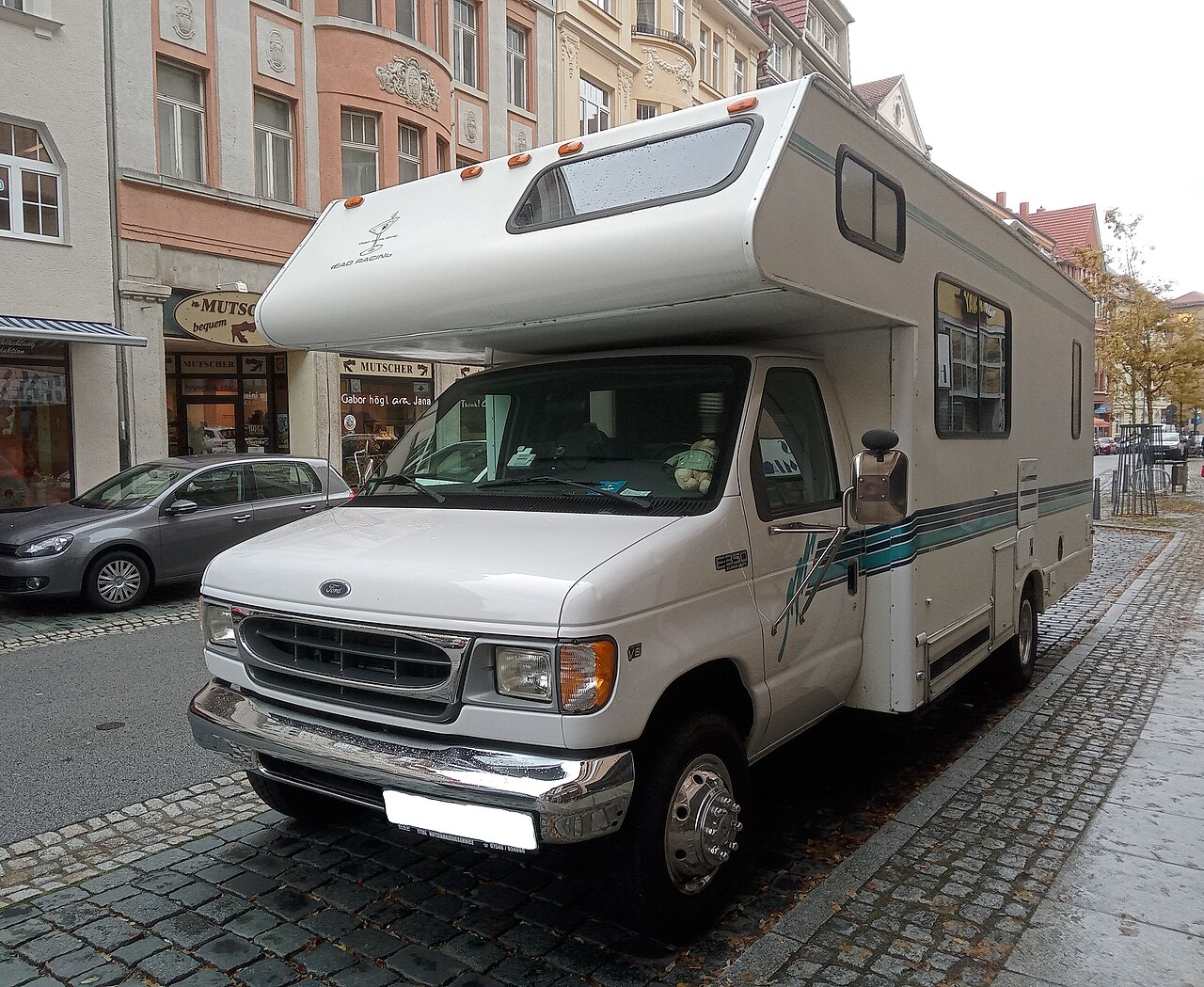
Here’s the short version: federal regulators are now looking into the 7.3-liter “Godzilla” V8 after owners reported lifters and camshafts wearing out from the inside, and the worst-case outcome is an engine that quits on you at highway speed. If you drive one of these trucks or vans for a living, that’s not a press-release problem. That’s a stranded-on-the-shoulder problem.
Here’s what the filing actually says, and what it means for the people who own these vehicles.
What’s physically going wrong
The complaint at the center of this probe points to a lubrication issue at low idle. In plain English, the engine isn’t getting enough oil to the valvetrain when it’s sitting there turning slow.
Let me walk you through why that matters. Your lifters ride on the camshaft lobes. The roller on the bottom of each lifter is supposed to spin freely against the cam, and oil is what keeps that contact surface from grinding itself apart. Starve that area of oil and the roller stops rolling the way it should. Now you’ve got metal dragging on metal.
Once that starts, it snowballs. The lifter roller wears down. The camshaft lobe it rides on wears down with it. The cam can no longer open the valves the right amount at the right time, and the whole top end of the engine falls out of sync. NHTSA’s filing describes severe wear on the lifter rollers and the camshaft lobes, and the endgame is total engine failure.
The part that should get your attention: it can happen with little or no warning, and it can happen at highway speed. One minute you’re rolling, the next you’ve lost power. In a loaded work van or a chassis-cab hauling weight, losing power in traffic is a real safety event, not just a repair bill.
What the investigation covers
NHTSA’s Office of Defects Investigation — that’s ODI, the group that opens the probe before any recall is decided — opened this investigation into roughly 54,787 vehicles. The reporting on it came out around October 26, 2026, through Ford Authority.
The vehicles named in the filing are:
- 2021 Ford E-350
- 2022 Ford E-350
- 2021 Ford F-59
- 2021 Ford F-750
All of them run the 7.3L Godzilla V8. These aren’t your weekend grocery-getters. The E-350 is a workhorse cutaway and van platform, the F-59 is a stripped chassis you’ll find under motorhomes and step vans, and the F-750 is a medium-duty truck. People buy these to earn a living with them.
I want to be straight about where this stands. An investigation is not a recall. ODI opening a probe means regulators have seen enough complaints to look hard at the problem. It does not mean Ford has been ordered to fix anything yet, and it doesn’t mean every one of those 54,787 vehicles will fail. What it does mean is that the pattern was serious enough to put on the federal radar.
What this means if you own one
-
Run your VIN. Even though this is an investigation and not yet a recall, you want to be in the loop the second that status changes. Check your VIN at NHTSA’s recall lookup and keep checking it. If this turns into a recall campaign down the road, that’s where the repair order will show up.
-
Learn what the early symptoms sound like. The failure starts in the valvetrain, so listen for a tick or a tap from the top of the engine, especially at idle when it’s warm. A new noise that comes and goes is worth taking seriously here. Don’t talk yourself out of it because the truck “still runs fine.”
-
Don’t ignore it at idle. The complaint specifically ties this to low-idle lubrication. If your work pattern involves a lot of extended idling, pay even closer attention. I’m not telling you to change how you run the truck, but I am telling you to watch it more carefully.
-
Keep up on oil, and document it. Clean oil at the right level is your best defense against a lubrication-related wear problem. Keep every receipt and every service record. If this becomes a recall or a warranty dispute later, a documented maintenance history is the difference between “we’ll take care of it” and “prove it wasn’t neglect.”
-
If it fails, write it down and report it. File a complaint with NHTSA. Those complaints are exactly what fed this investigation in the first place, and they’re what push ODI toward a recall decision. Note the date, the mileage, what you felt, and what the engine did.
-
Know your rights if a recall comes. If this probe leads to a recall, the fix is free. You do not pay for a safety recall repair on a defect the manufacturer is responsible for. Don’t let a dealer tell you otherwise.
You can keep an eye on your specific platform through our hubs for the 2021 Ford E-350, the 2022 Ford E-350, and the 2021 Ford F-750.
My honest take
The Godzilla has a good reputation overall, and an ODI investigation is the beginning of a process, not the verdict. Nothing here says your engine is going to grenade tomorrow. But the failure mode described in this filing is the kind that doesn’t give you a polite warning — it takes the power away when you least want it gone, and that’s why NHTSA stepped in.
If you own one of these, you don’t need to panic. You do need to pay attention: watch for valvetrain noise, keep your oil right, keep your records, and watch for the investigation to move. The owners who stay on top of it are the ones who won’t get caught flat-footed if this turns into a recall.
Source: Ford Authority