Kia recalls EV6 and EV9 EVs over high-voltage battery fire risk
The misaligned electrodes can lead to a fire while the vehicle is parked or being driven. Owners are advised to park outside away from structures and limit
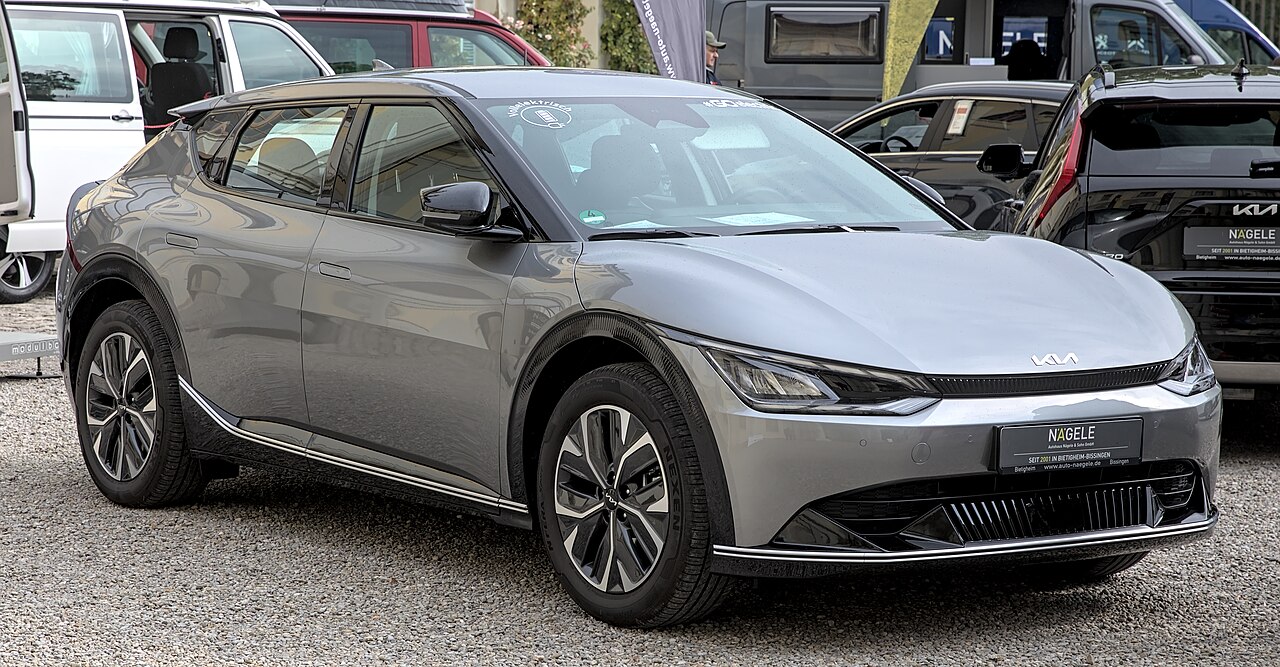
Here’s the short version: Kia is recalling its EV6 and EV9 electric vehicles because the high-voltage battery packs can catch fire — whether you’re driving down the highway or the car is sitting in your garage overnight. If you own one of these, that’s not something to file away and deal with later.
What’s actually wrong
The problem is inside the high-voltage battery pack, down at the cell level. Kia says some of the battery cells were built with misaligned electrodes.
Here’s what that means in plain terms. Every lithium-ion cell has two electrodes — a positive and a negative — separated by a thin barrier. When those electrodes don’t line up the way they’re supposed to, you raise the risk of an internal short circuit. A short inside a battery cell generates heat. Enough heat and you get thermal runaway, which is the technical name for a battery fire that feeds itself.
The dangerous part is that this doesn’t need a crash or any driver action to happen. The filing says a fire can start while the vehicle is being driven or while it’s parked and doing nothing. That’s why the safety warning here goes beyond the usual “get it fixed soon.”
What Kia is telling owners to do right now
Until your vehicle is repaired, Kia is asking owners to take two precautions:
- Park outside and away from structures. Not in the garage, not up against the house, not under a carport attached to anything you care about.
- Limit charging to 80%. Topping a battery off to 100% puts more stress on the cells, and Kia wants that stress kept down until the pack is replaced.
Those aren’t suggestions you should treat as optional. If the manufacturer is telling you to park a car outside away from your house, that tells you how seriously they’re taking the fire risk.
The timeline and what the filing says
Kia’s internal number for this campaign is SC375. Both of these U.S. recalls trace back to reports of battery fires in the South Korean market — that’s what prompted the action here.
The recall was reported on July 13, 2026. You’ll be able to search your VIN on NHTSA.gov starting July 17, 2026. Owner notification letters are expected to go out August 7, 2026.
The vehicles covered are the 2022, 2023, and 2024 Kia EV6, along with the 2024 Kia EV9.
The fix
This is a good remedy, and it’s the one you’d want. Dealers will replace the entire high-voltage battery system assembly, free of charge. Kia isn’t doing a software patch or a partial repair here — they’re pulling the whole pack and putting in a new one. For a defect that lives in the individual cells, that’s the right call.
What this means if you own one
-
Run your VIN. Starting July 17, 2026, go to NHTSA.gov and enter your vehicle identification number. That’s the only way to know for certain whether your specific car is included. The model years affected are the 2022 Kia EV6, 2023 Kia EV6, 2024 Kia EV6, and 2024 Kia EV9.
-
Follow the parking and charging guidance now — don’t wait for the letter. The notification letters aren’t scheduled until August 7, 2026, but the fire risk exists today. Park outside, away from structures, and keep your charging capped at 80% in the meantime.
-
Don’t ignore any warning signs. A battery fire can start with no crash and no obvious trigger. If you notice unusual smells, smoke, warning messages related to the battery, or heat coming off the pack, treat it seriously and get the vehicle away from anything it could burn.
-
The repair costs you nothing. Federal law requires the manufacturer to fix a safety recall at no charge, and Kia has stated dealers will replace the battery assembly free. Don’t let anyone tell you otherwise or try to charge you for the pack, labor, or diagnosis tied to SC375.
-
Document everything. Keep your notification letter, note the dates you called your dealer, and hold onto any service records. If parts availability slows down the repair — and full battery pack replacements can take time to source — a paper trail protects you.
The honest take
A full battery-pack replacement is the remedy owners should want, and Kia is offering exactly that at no cost. That’s a point in their favor. But this is a fire risk that doesn’t require you to do anything wrong — a parked car can be at risk — and that raises the stakes on how quickly you act.
If you own one of these EVs, the smart move is to follow the parking and charging precautions immediately, check your VIN the day the lookup goes live, and get on your dealer’s schedule as soon as your car is confirmed. A battery replacement is a big job, so the sooner you’re in the queue, the sooner you’re driving something that isn’t on the recall list.
Keep an eye on your mailbox for the notification letter, and check the Kelley Blue Book recall list or the Autoevolution recalls index if you want to track updates on this campaign.