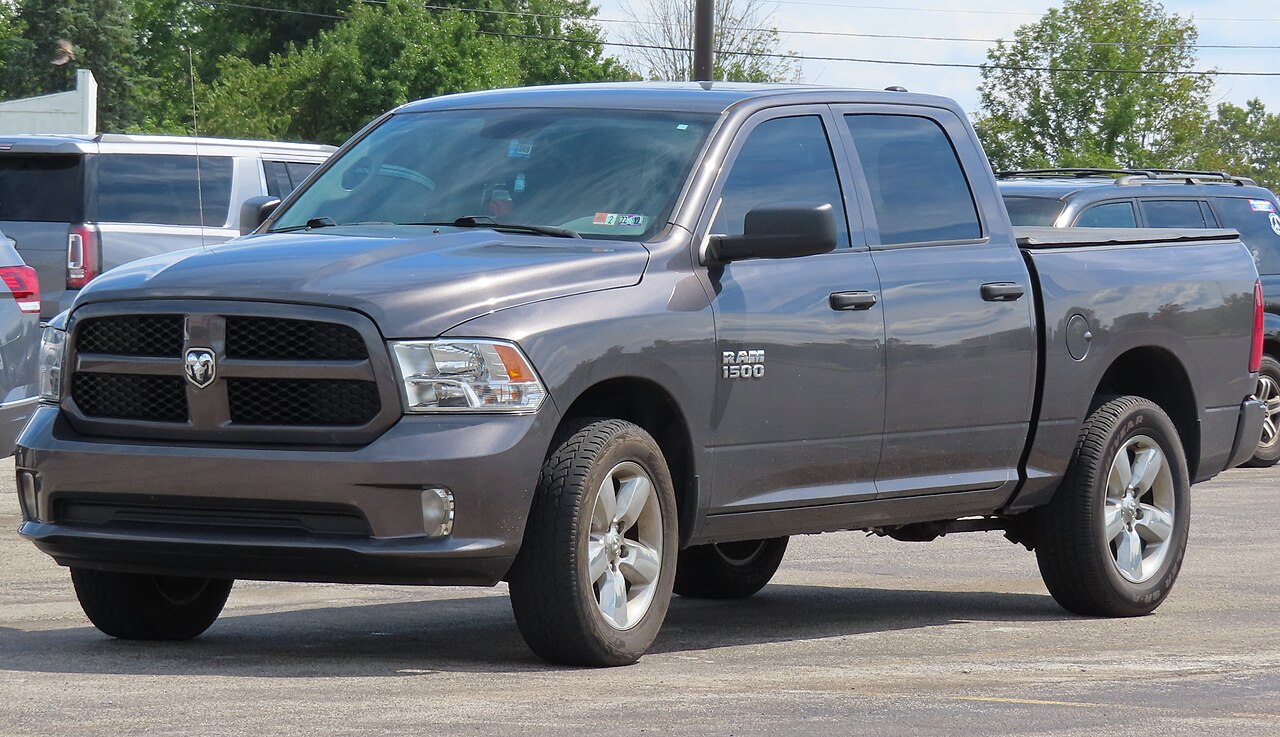
The 6.7 Cummins in the 2019-plus Ram 2500 and 3500 is, by raw engine standards, one of the better diesels you can buy. 1,000 lb-ft of torque, big iron block, factory rated for 30,000 miles between oil changes if you wanna go that long, and it’ll pull a trailer full of cattle from Garland to Amarillo without complaining once.
The problem ain’t the engine. The problem is everything bolted to it to meet emissions.
If you’re shopping a late-model Ram 2500 or 3500 with the 6.7 Cummins, here’s what you actually need to know about owning one of these trucks long-term.
The CP4 fuel pump
Starting in 2019, Ram switched from the Bosch CP3 fuel pump (which everybody loved) to the Bosch CP4.2 (which everybody hates). The CP4 generates higher injection pressure for cleaner emissions. It also has tighter internal tolerances that don’t tolerate dirty fuel, water in fuel, or bad fuel filters.
When a CP4 fails, it doesn’t just fail. The internal cam follower roller wears down or breaks, and metal shavings get pumped into every injector and every fuel rail at high pressure. That metal embeds itself in injector tips, in the fuel rails, in the fuel cooler, in the lift pump, in everything. A CP4 catastrophic failure means replacing the whole fuel system — pump, eight injectors, both rails, lift pump, fuel cooler, and a thorough flush of every line.
That’s a $10,000-15,000 repair. Outside of warranty, that’s the kinda bill that makes a man sell a truck.
Ram extended the warranty on the CP4 to 5 years/100,000 miles after enough lawsuits piled up. So if your truck’s still under that, you’re covered. After that, you’re playing roulette every time you fill up at a no-name diesel pump.
The aftermarket fix that actually works: a CP3 swap kit. Several companies (Industrial Injection, S&S Diesel, others) sell kits that delete the CP4 and put a CP3 back in. About $2,500 for the kit, $1,500-2,000 labor. Total $4,000-4,500. Pricey but cheaper than the eventual CP4 failure, and you get a pump that runs forever on clean fuel.
DEF system
The diesel exhaust fluid (DEF) system on the 6.7 Cummins is finicky. The DEF heater, the metering pump, the NOx sensors, the SCR catalyst — every one of those components fails eventually, and most of them don’t have cheap replacements.
Common DEF system issues:
- DEF pump failure: $800-1,200 part, $300 labor
- NOx sensor failure (front or rear): $400-700 each, $150-300 labor
- DEF heater failure (in cold climates): $300-500
- SCR catalyst contamination: $2,500-4,000 (the cat itself plus labor)
- The infamous “DEF system fault — vehicle will not start in 200 miles” warning that kicks the truck into limp mode
If you ignore the DEF warnings, the truck will progressively reduce power and eventually refuse to start. EPA requirements. Ford and GM have the same setup with the same problems.
EGR cooler and turbo actuator
The 6.7 Cummins uses a variable geometry turbo (VGT) and an exhaust gas recirculation (EGR) cooler, both of which are heat-soaked and soot-loaded by design. Either one can fail at 80,000-150,000 miles.
- VGT actuator: $1,200-1,800 installed
- EGR cooler: $800-1,400 part, $600-900 labor
- EGR delete kit and tune (where legal — federal law prohibits this on registered vehicles, even if Texas inspection doesn’t check): about $2,000 done, eliminates both EGR and most DEF issues
I’m not gonna pretend EGR deletes don’t happen. Every diesel shop in DFW does ‘em. Federal enforcement is light. State enforcement is essentially nonexistent on these trucks. Your call. I’m just telling you what’s out there.
What you’ll see and hear
- White smoke at startup that takes a while to clear (DEF system or EGR)
- Limp mode warning (“performance reduced” or “vehicle will not start in X miles”)
- DEF dosing module faults
- Hard starting after extended sitting
- Metal shavings in the fuel filter (CP4 starting to fail — pull the fuel filter and inspect)
- Loss of power under load, especially climbing grades
Should you buy one?
A 2019-plus Ram 2500/3500 with the 6.7 Cummins is a yes if:
- It’s still inside the 5-year/100k CP4 warranty extension
- Maintenance records show fuel filter changes every 15,000 miles or sooner
- The truck doesn’t show DEF system fault history
- You can budget for the eventual CP4 swap at 100,000+ miles
A 2007-2018 6.7 Cummins (which uses the CP3 pump, not the CP4) is generally a better long-term play. The pre-emissions-regulation versions of these trucks are sought after for a reason.
If you already own one:
- Use only diesel from high-volume retailers (Pilot, Flying J, Loves, major-brand truck stops). Avoid no-name pumps.
- Change the fuel filter every 15,000 miles, no exceptions. Use the GENUINE Cummins/Mopar filter, not aftermarket. The cheap filters don’t catch fine particulate that the CP4 needs filtered out.
- Keep the DEF tank topped up. Don’t run it dry.
- If you’re outside the CP4 warranty and plan to keep the truck, budget for the CP3 swap before failure rather than after.
The 6.7 Cummins itself is a great engine. The fuel and emissions systems Ram bolted to it for emissions compliance are the long-term ownership tax. Go in eyes open and these trucks earn their keep. Go in expecting an old-school Cummins simplicity and you’ll be disappointed and broke.