2026 Ford Bronco Sport Recalled Over Structure
Improperly tightened vehicle joints may lead to a loss of vehicle control, electrical failure, or detached parts, increasing the risk of a crash or fire.
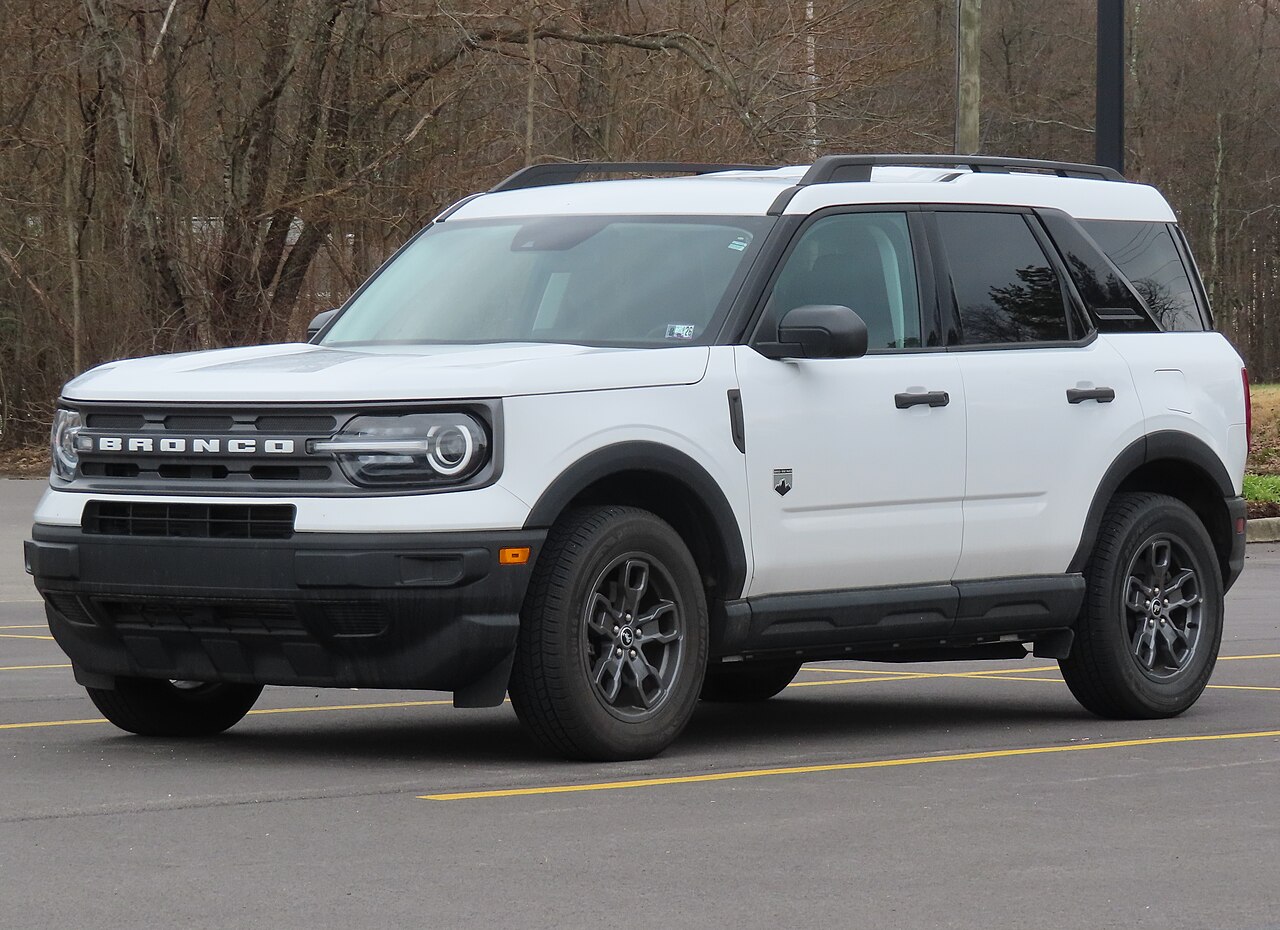
Here’s the short version: Ford is calling back a small batch of brand-new 2026 trucks and SUVs because bolted joints on the vehicle may not have been tightened the way they should be. Only 23 vehicles are on the list, but if yours is one of them, “small recall” doesn’t make it a small problem for you.
What’s actually wrong
The defect is about the joints that hold your vehicle together. In plain terms, a joint is any place where two parts are fastened — bolted, torqued down, secured with a retention mechanism. When those aren’t tightened to spec, bad things can follow.
Ford’s own filing spells out the range of what can go wrong: detached parts, unsecured cargo, degraded crash protection, electrical system failure, or a loss of vehicle stability. That’s a wide list because a loose joint doesn’t fail in just one way. Depending on which joint is affected, you could lose something that’s supposed to stay bolted on, or the vehicle might not protect you the way it’s engineered to in a crash, or you could feel the truck behave differently than it should on the road.
The consequence, per the filing, is a loss of vehicle control, electrical failure, or detached parts — and that raises the risk of a crash or a fire. Those are the two outcomes you never want tied to the same defect, and both are on the table here.
You won’t necessarily feel this coming. A joint that’s under-torqued from the factory can hold for a while and then let go, or it can behave inconsistently. That’s exactly why this gets handled as a recall instead of a wait-and-see item.
What the filing says
Ford Motor Company is recalling certain 2026 Maverick, F-150, and Bronco Sport vehicles under NHTSA campaign number 26V550000. Ford’s internal number for the same recall is 26S60.
The count is 23 vehicles. That’s tiny, which usually points to a specific build window or a limited assembly issue rather than a fleet-wide problem. Ford received the recall on August 25, 2026, and the affected VINs became searchable on NHTSA.gov on August 26, 2026.
Owner notification letters are expected to be mailed September 21, 2026.
The fix: dealers will inspect and tighten the vehicle joints, or repair and replace the joint retention mechanisms as necessary. It’s free of charge, as recall repairs are required to be.
What this means if you own one
If you’ve got a new 2026 Ford Bronco Sport, F-150, or Maverick, here’s how to handle it.
-
Run your VIN. With only 23 vehicles involved, most owners of these models are not affected. The way you know for sure is to check your VIN against campaign 26V550000 at NHTSA.gov. The VINs went searchable August 26, 2026, so the lookup is live now. Don’t assume you’re on the list, and don’t assume you’re off it — check.
-
Watch the mail, but don’t just wait for it. Letters are going out September 21, 2026. If your VIN comes back as included, you don’t have to wait for paper to schedule the repair. Call your dealer and get on the books.
-
Take any new noise or looseness seriously. With a joint issue, the things to notice are the things that feel or sound off — a rattle, a clunk, a part that seems loose, an electrical glitch, or the vehicle not tracking straight. If your truck is on this list and something feels wrong before your appointment, get it looked at rather than driving it hard.
-
The repair is free. Keep it that way. Dealers inspect and tighten or replace the retention hardware at no cost. If anyone tries to charge you for recall work under 26V550000, that’s not how this works. Get a copy of the repair order showing what was done.
-
Call Ford if you get stuck. Ford customer service for this recall is 1-866-436-7332. Reference Ford’s recall number 26S60 or the NHTSA number 26V550000 so you’re talking about the right campaign.
The honest take
Twenty-three vehicles is about as small as a recall gets, and that’s genuinely good news — the odds that your particular truck is affected are low. But the reason this one gets treated seriously isn’t the count, it’s the failure mode. Loose structural joints that can lead to detached parts, degraded crash protection, or a fire aren’t something you gamble on because the population is small.
If your VIN clears, forget about it and drive. If it doesn’t, this is a quick, free inspect-and-tighten at the dealer, and there’s no reason to put it off. New vehicles get recalls too, and catching a torque issue on 23 units before anyone gets hurt is the system working the way it’s supposed to.
Source: NHTSA recall campaign 26V550000.