Chrysler recalls 16,385 Ram 1500 trucks for tire-pressure monitoring fault
A TPMS warning light that fails to alert the driver to low tire pressure increases crash risk.
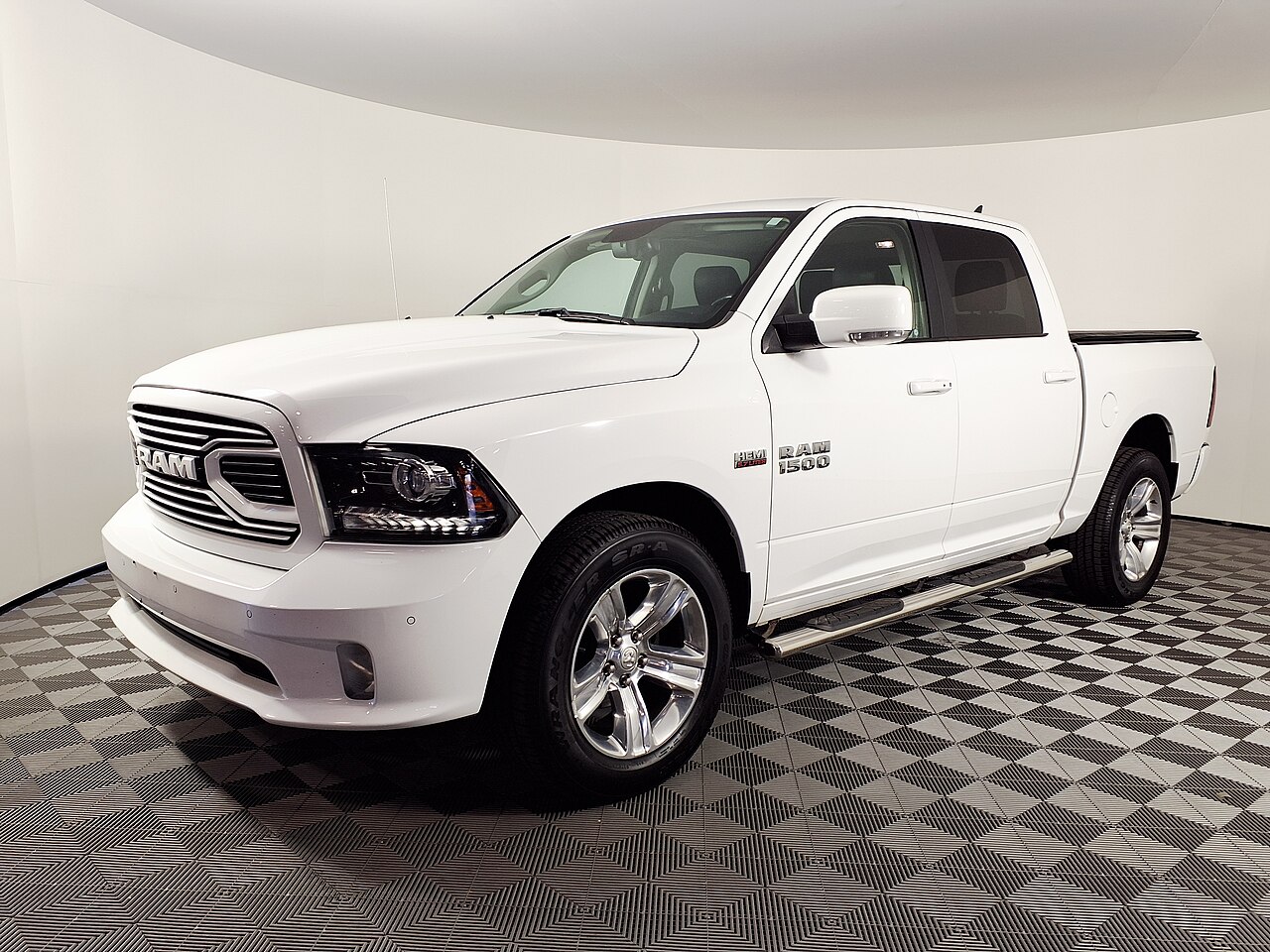
Here’s the short version: if you bought a brand-new 2026 Ram 1500, the system that’s supposed to warn you about a soft tire might not be doing its job. Chrysler is recalling 16,385 of these trucks because the tire pressure monitoring system — the TPMS — may not catch low pressure, and may not light up the dashboard warning when it should.
That’s a quiet problem, which is exactly why it matters. You won’t hear it. You won’t feel it until things have already gone wrong.
What’s actually failing
Every modern truck has a sensor inside each wheel that reads tire pressure and reports it back to the truck’s computer. When a tire drops below a safe threshold, that computer is supposed to turn on the little horseshoe-shaped warning light on your dash. That’s the TPMS.
On these trucks, the sensors may fail to detect low tire pressure, and/or they may fail to illuminate the warning light. Either way, the result is the same from the driver’s seat: you get no heads-up that a tire is going flat.
Because of that, the vehicles don’t comply with Federal Motor Vehicle Safety Standard No. 138, which is the federal rule that requires a working tire pressure warning system in the first place. This isn’t Chrysler deciding the light is nice-to-have. It’s a legal safety standard, and these trucks are out of spec.
Here’s why a mechanic cares about soft tires. A low tire runs hot. It flexes more than it’s designed to, builds heat in the sidewall, and that’s how you get a blowout — often at highway speed, often when the truck is loaded or towing. Low pressure also hurts braking and handling, and it wears the tire unevenly so it dies early. The whole point of TPMS is to catch that before it becomes a problem on the road. NHTSA’s filing puts it plainly: a warning light that fails to alert you to low tire pressure increases crash risk.
What the filing says
This recall covers the 2026 RAM 1500 and affects 16,385 trucks. It was reported in the weekly NHTSA recall listings in early-to-mid October 2026, which is where outlets like RV-PRO and RVBusiness picked it up.
The fix is straightforward. Dealers will inspect the tire pressure sensors and replace them as necessary, free of charge. The manufacturer’s recall number is 51D. Owner notification letters are expected to go out October 27, 2026.
That’s the full scope of what’s been filed. No cause beyond the sensor fault has been stated, so I’m not going to guess at one.
What this means if you own one
-
Run your VIN. Don’t assume your specific truck is in or out of this just because you own a 2026 Ram 1500. Go to NHTSA’s recall lookup, enter your VIN, and see whether recall 51D shows up for your vehicle. A VIN check tells you the truth for your exact truck; a headline doesn’t.
-
Watch the dash — but don’t trust it blindly right now. The failure here is that the warning light may not come on when it should. So the one tool you’d normally rely on can’t be fully trusted on these trucks until the sensors are checked. Until then, check your tire pressures the old-fashioned way with a gauge, especially before a long drive or before you tow or haul. Match the pressure to the sticker in the driver’s door jamb, not the max number on the tire sidewall.
-
Don’t ignore a tire that looks low. If a tire looks soft, feels soft, or the truck is pulling or riding differently, treat it as real even if the dash stays dark. That’s the whole reason this recall exists.
-
Wait for your letter, then get the free repair. Owner notification letters are expected October 27, 2026. When yours arrives, schedule the inspection. The sensor inspection and any replacement is covered at no cost to you — that’s your right under a federal safety recall. Don’t let a dealer upsell you on unrelated TPMS “service” and pad the bill; the recall work itself is free.
-
Document everything. Keep the recall letter and your repair paperwork. If you pay out of pocket to have a sensor diagnosed before the recall remedy is available, hang onto that receipt in case reimbursement comes into play. And if you want to track the history on your truck, you can keep an eye on the 2026 Ram 1500 hub as this plays out.
My honest take
This is a real safety issue, but it’s a fixable one, and Chrysler is handling it the right way — a defined recall, a free sensor inspection and replacement, and letters going to owners. On the scale of truck problems, a TPMS fault is far from the worst thing I’ve seen roll across the shop.
The catch is the nature of the defect. A broken warning light doesn’t announce itself. You could drive for weeks assuming your tires are fine because the dash is quiet, when the quiet is exactly the problem. So until your truck’s been through the recall, put your eyes and a tire gauge back in the loop. That’s not paranoia, that’s just good truck ownership — and on these 16,385 trucks, it’s the smart move until the sensors are sorted out.