Volkswagen recalls ~22,500 ID.4 EVs over high-voltage battery fire risk
A failing high-voltage battery can cause a fire.
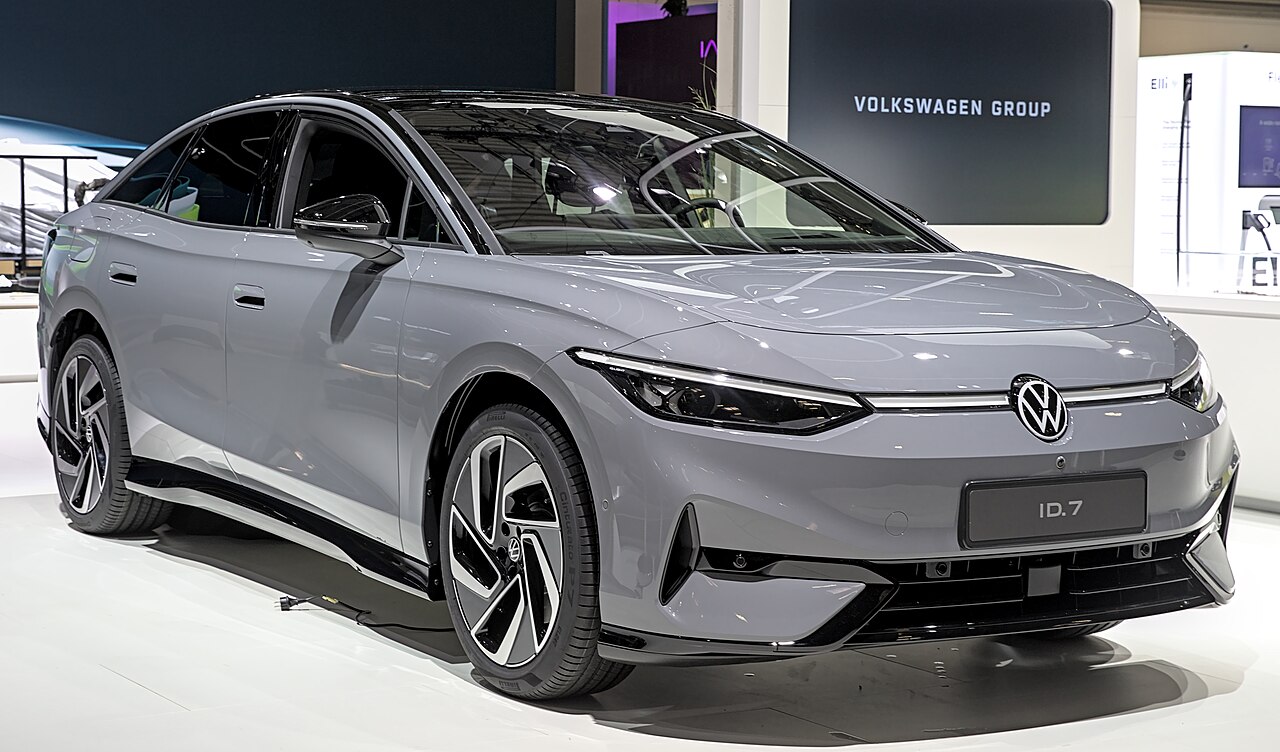
Here’s the short version: Volkswagen is recalling about 22,500 ID.4 electric SUVs because the high-voltage battery can fail and catch fire, and that risk is there even when the car is parked and switched off. Worse, VW doesn’t yet know exactly what’s causing it. If you own one of these, that’s not a tomorrow problem.
What’s actually failing
The high-voltage battery is the big pack that lives under the floor of your ID.4. It’s what moves the car. On the affected 2023-2026 models, that battery can fail, and a failing high-voltage pack can touch off a fire.
The part that should get your attention: this isn’t tied to driving or charging in the moment. The filing says the risk can be present even when the vehicle is shut off and parked. An EV battery stores a lot of energy, and when a cell or module in a pack like this goes wrong, it can heat up on its own. That’s why a parked car matters here. You could have it sitting in a garage overnight, nobody touching it, and it’s still carrying the risk.
And here’s the honest, uncomfortable part. Volkswagen says the exact cause remains under investigation. They know the batteries can fail. They haven’t pinned down why yet. That’s unusual to see spelled out this plainly in a recall, and it’s the reason the interim guidance is what it is.
What the filing says
This recall came through the week of October 5-9, 2026. It covers 22,524 vehicles across the 2023, 2024, 2025, and 2026 model year ID.4.
Because there’s no final fix yet, VW is giving owners an interim instruction: charge the battery to no more than 80% until the vehicle is repaired. Limiting state of charge is a common way to reduce the energy sitting in a pack and keep temperatures down. It’s a stopgap, not a cure. It lowers the risk while engineers work the actual problem.
Volkswagen expected to mail interim notification letters around November 27, 2026. Those letters tell you about the recall and the 80% guidance. A second round of letters is planned once an actual remedy is available — meaning the real repair comes later, after the cause is understood.
That’s the whole picture from the filing. Anyone telling you more than that about what specifically breaks inside these packs is guessing, because VW itself hasn’t said.
What this means if you own one
-
Cap your charging at 80% right now. Don’t wait for the letter to show up in your mailbox. This is the one concrete thing you can do today to lower your risk, and the ID.4’s charging settings let you set a limit. Do it on every car in your household that’s affected.
-
Run your VIN. This covers a specific set of 22,524 vehicles, not every ID.4 ever built. Check your 17-digit VIN against NHTSA’s recall lookup to confirm yours is included. Don’t assume you’re in or out based on model year alone.
-
Take the parked-fire warning seriously. Because the risk exists when the car is off, think about where it sits. A lot of owners park EVs in an attached garage. That’s your call to make, but know that the filing specifically flags the shut-off, parked state as a risk window.
-
Watch for anything off with the battery. Unusual heat, warning messages, odd smells, charging behavior that’s suddenly different. With a problem VW hasn’t fully characterized, your own senses matter. If something feels wrong, get the car somewhere safe and contact Volkswagen.
-
Know the repair is free, and come back for the second letter. Recall repairs don’t cost you anything. The first letter around November 27, 2026 is interim. The fix itself comes with a later notice once a remedy exists, so don’t throw that first letter away thinking it’s the end of it.
-
Keep records. Save the letters, note the dates, write down anything unusual the car does. If this drags out while a remedy is developed, a clean paper trail protects you.
You can read more on your specific model at the ProblemsByVin hubs: 2023 Volkswagen ID.4, 2024 Volkswagen ID.4, 2025 Volkswagen ID.4, and 2026 Volkswagen ID.4.
The honest take
A battery recall where the automaker admits it hasn’t found the cause yet is a tough spot for an owner. You’re being handed an interim instruction — charge to 80% — and told to wait for the real fix. That’s not VW being cagey; it’s what happens when a safety problem shows up before the engineering answer does, as both Vehicle Service Pros and Motor1 reported.
The practical reality is this: the 80% cap and awareness about where you park are your tools until the remedy lands. Use them. An ID.4 isn’t going to combust in your driveway the second you read this, but the whole point of a recall is to act before the odds catch up with someone. Set the charge limit, confirm your VIN, and watch your mailbox for both letters.