Ford recalls ~388,000 Explorer and Lincoln Aviator SUVs over second-row seats that can move unexpectedly
Seats that move or slide unexpectedly increase the risk of injury to occupants.
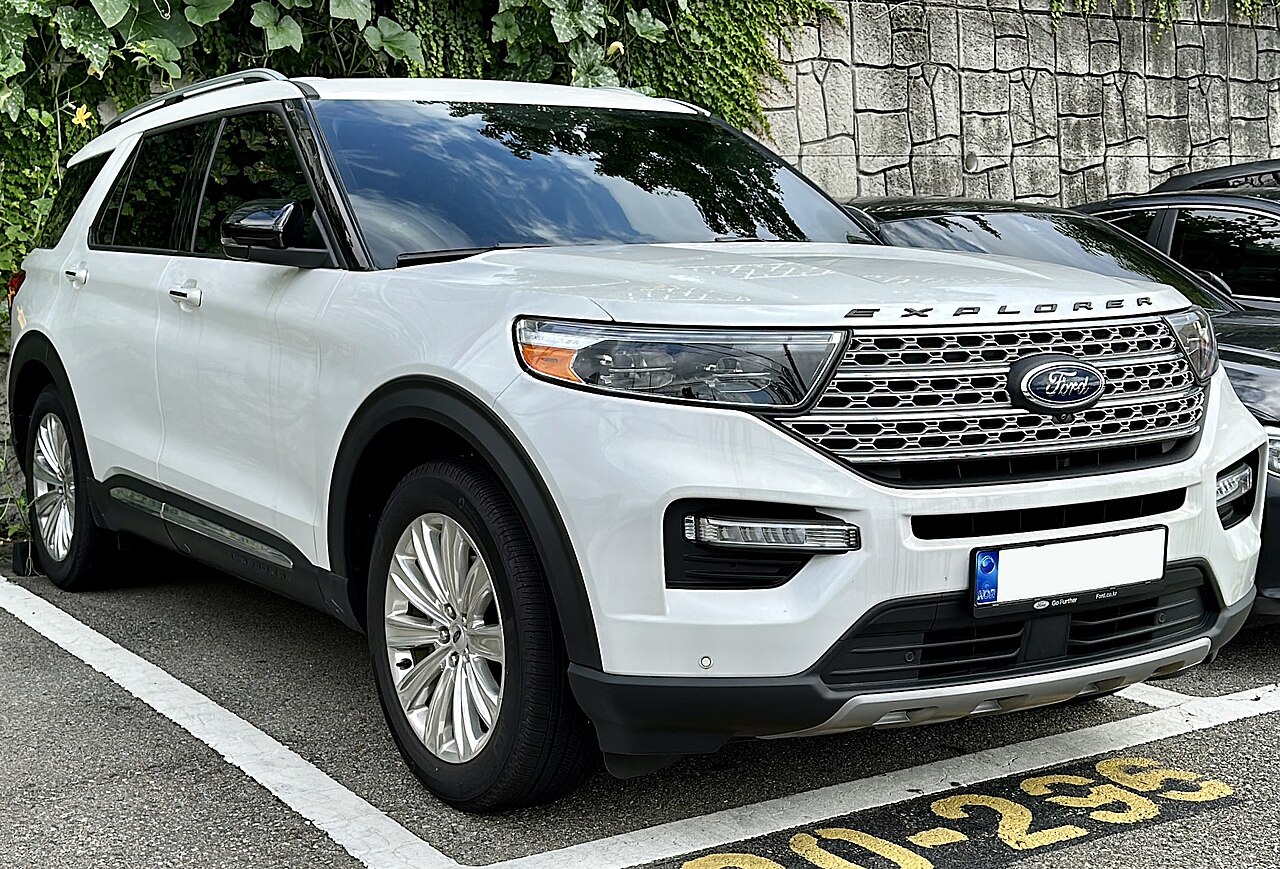
Here’s the short version: Ford is recalling about 388,000 Explorer and Lincoln Aviator SUVs because the second-row seats can move when you don’t want them to. If you own one of these and you regularly put kids, pets, or passengers in the back, that’s not a press-release problem. That’s a “who’s sitting there when it slides” problem.
What actually fails
These SUVs have an easy-entry feature on the second-row outer seats. You hit the switch, the seat unlatches and tips or slides forward so someone can climb into the third row. Handy setup. The trouble is the switch.
According to the filing, the switch can bind or stick. When it does, the seat can unlatch, tip, or slide on its own — without anyone asking it to. So instead of the seat holding firm while someone’s riding in it, it can move unexpectedly.
Think about what a second-row seat is doing most of the time. It’s holding a passenger. Maybe a booster seat. Maybe a child seat anchored to it. A seat that can unlatch or slide on its own while someone’s sitting there is exactly the kind of thing that turns into an injury. Ford’s own filing says seats that move or slide unexpectedly increase the risk of injury to occupants. That’s the plain danger here.
What the filing covers
The recall is Ford number 26S52. It covers:
- Certain 2020 and 2026 Ford Explorer
- Certain 2020 through 2027 Lincoln Aviator
In total, 387,911 vehicles are covered. That’s a big campaign, and it spans a wide range of model years, so don’t assume you’re clear just because your SUV is newer or older than a friend’s.
The fix is on the smaller side, mechanically speaking. Dealers will inspect the switch area and replace the bezel — the trim piece around the switch — as necessary. That’s the part tied to the switch binding. The repair is free of charge, as a recall remedy always should be.
Here’s the timing, and this one’s a little unusual because the dates run out into 2026 and 2027:
- VINs become searchable on NHTSA.gov on July 16, 2026
- Interim notification letters are expected to go out July 27, 2026
- The actual remedy is anticipated in January 2027
So the interim letter comes first — that’s Ford telling you your vehicle is affected before the fix parts are ready. The real repair lands after that. If you’re reading this ahead of those dates, that gap between “you’re notified” and “you can get it fixed” is worth keeping on your radar.
What this means if you own one
-
Run your VIN. Starting July 16, 2026, you can check your exact vehicle at NHTSA.gov using your 17-digit VIN. Don’t go by model year alone — this recall covers certain Explorers and Aviators, not every one built. The VIN lookup is the only thing that tells you for sure.
-
Watch how the second-row seats behave. If a rear outer seat unlatches, tips, or slides when you didn’t touch it — or the easy-entry switch feels sticky or won’t return right — treat that as the symptom this recall is describing. Don’t ignore it.
-
Be careful about who rides back there in the meantime. Until the fix is done, pay attention to that second row. If a seat is acting up, that’s the seat you don’t want holding a child seat or a passenger you can’t watch.
-
Get the interim letter and hold onto it. The interim notice is expected July 27, 2026. Keep it. The remedy isn’t anticipated until January 2027, so there’s a stretch where you know about the problem but the parts aren’t ready. Document any seat issues you notice during that window — dates, what happened, and any dealer visits.
-
The repair is free. Keep it that way. Dealers inspect and replace the bezel around the switch at no cost. If a dealer tries to charge you for a recall repair under campaign 26S52, that’s not how a recall works. Push back.
You can also keep an eye on the coverage as this rolls out through outlets like Kelley Blue Book’s recall page and Cars.com’s recalls news.
If you want to read up on your specific vehicle, here are the hubs for the 2020 Ford Explorer, the 2026 Ford Explorer, and the 2020 Lincoln Aviator.
My honest take
This isn’t an engine grenading or brakes fading. It’s a stuck switch and a seat that can move on its own. But don’t shrug it off because the fix is a small trim piece. A second-row seat that unlatches or slides while someone’s in it is a real injury risk, and Ford is affected on nearly 388,000 vehicles across seven model years for a reason.
The thing I’d flag is the timeline. Notification and remedy dates stretch well out, with the fix not anticipated until January 2027. That’s a long runway. So the smart move is simple: run your VIN when the lookup opens, pay attention to how those back seats behave, and get the free repair done as soon as your dealer has the parts. Until then, keep the second row in mind when you decide who sits where.