Genesis/Hyundai recalls 2025-2026 G80, GV60, GV80 and GV70 Electrified models for software logic fix
The underlying software condition is addressed by a corrected software calibration (specific failure mode not fully stated in retrieved source excerpt).
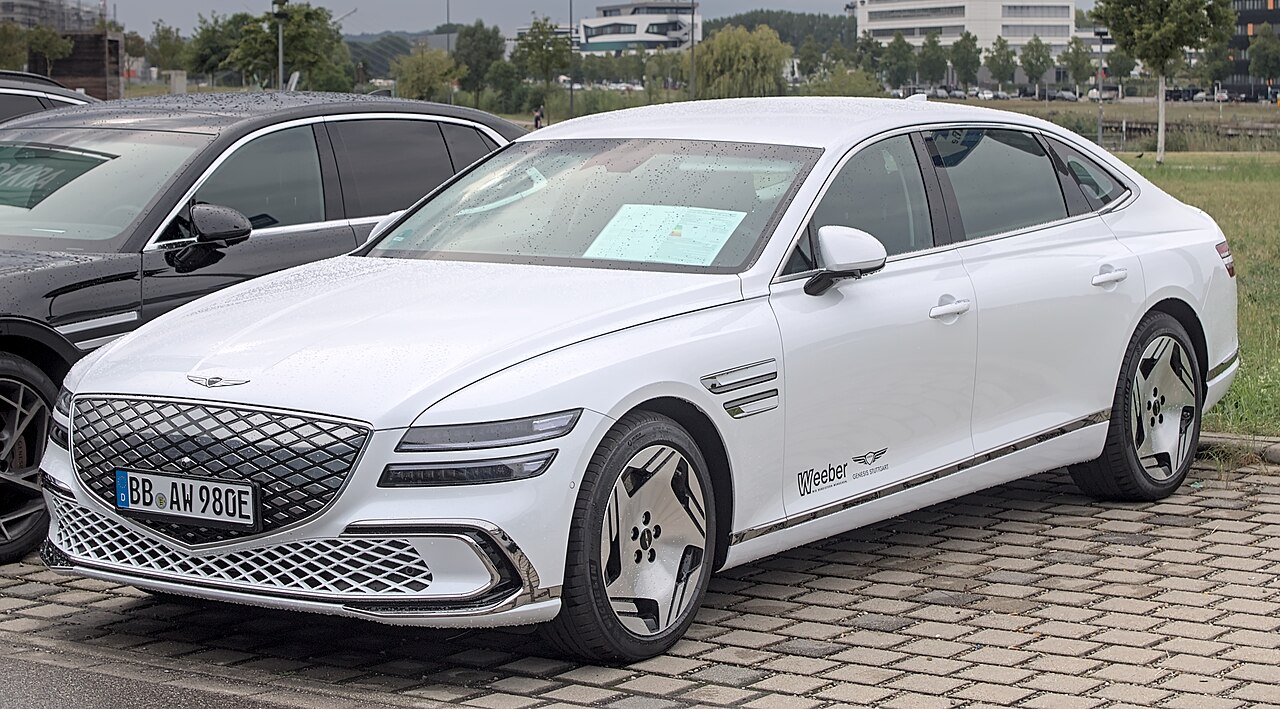
Here’s the short version: Genesis is pulling back about 84,000 of its newest luxury vehicles for a software fix, and if you own one of them, this is the kind of recall you want to get handled rather than shrug off.
Hyundai Motor America, which builds and sells Genesis here in the States, filed recall campaign 26V019 with NHTSA covering certain 2025-2026 G80, GV60, GV80 and GV70 Electrified models. The total count is 83,877 vehicles. The fix is a software update — what the filing calls improved software logic.
What the filing actually says
Let me be straight with you about where the facts stop. The Part 573 report lists the vehicles, the production window, and the remedy. It says the problem is handled by a corrected software calibration. The specific failure mode — exactly what the old software did wrong and what you’d feel behind the wheel — isn’t fully spelled out in the source excerpt I’m working from. I’m not going to guess at it and feed you a story that isn’t in the paperwork.
Here’s what I can tell you for certain:
- The recall is campaign number 26V019.
- It covers model year 2025-2026 Genesis G80, GV60, GV80 and GV70 Electrified vehicles built on specified dates.
- Production of affected units runs into late November 2025.
- The remedy is an improved software logic update.
- Reimbursement is available for out-of-pocket expenses under the plan Hyundai submitted to NHTSA.
That’s the whole verified picture. When a defect gets corrected through software logic, it usually means the vehicle’s computers were making a decision or reading a condition in a way the automaker decided needed to change. The repair side is simple: a reflash, not a teardown.
Why a software recall still matters
Owners sometimes treat software recalls as less serious than a cracked part or a fuel leak. That’s a mistake. A recall only lands on NHTSA’s desk as a Part 573 filing when the manufacturer has decided there’s a safety-related defect or noncompliance. The fact that the cure is a calibration update doesn’t make the underlying condition cosmetic. It just means the fix is cheaper and faster for everyone.
The good news for you: a software remedy is about the least painful repair there is. No waiting on back-ordered parts, no multi-day shop stay in most cases. You bring it in, they connect it, they update the logic, you leave.
What this means if you own one
If you’ve got a 2025-2026 Genesis in this group, here’s how I’d handle it.
-
Run your VIN. Don’t assume your car is or isn’t included based on the model name alone. This recall is tied to specific production dates, not every unit built. Go to NHTSA’s recall lookup, enter your 17-digit VIN, and confirm whether 26V019 applies to your exact vehicle. If it comes back clean today, check again in a few weeks — the production window extends into late November 2025, so records get updated as units are added.
-
Wait for your notification, but don’t sit on it. Hyundai will mail recall letters to affected owners. When yours arrives, book the update. It’s a software fix, so the dealer appointment should be short.
-
The repair is free. Safety recall work doesn’t cost you anything at the dealer. You don’t pay for the reflash, and you don’t pay for diagnosis tied to the recall.
-
Keep your receipts if you already paid. The filing says reimbursement is available for out-of-pocket expenses under the plan submitted to NHTSA. If you spent money on something connected to this condition before the recall, hang onto that paperwork and ask the dealer how to file for reimbursement.
-
Document everything. Save the recall letter, write down the date you scheduled the service, and keep the paperwork showing the update was applied. If you ever sell the car, proof the recall was completed is worth having.
You can read more about these vehicles on our hubs for the 2025 Genesis G80, the 2026 Genesis GV60 and the 2026 Genesis GV80.
The honest take
This is a large recall by unit count, but it’s a manageable one for owners. A software logic update is the kind of fix that gets done in a single visit at no cost to you, and Genesis has a reimbursement path on file for anyone who already spent money. The one caveat I’ll give you is this: because the full failure mode wasn’t laid out in the source I reviewed, I’d treat any unusual behavior from your vehicle seriously until the update is installed. Run your VIN, get the reflash when your letter comes, and keep your records. That’s the whole job.