Toyota recalls Grand Highlander and several Lexus models over steering knuckles that may crack
A cracked or broken steering knuckle can result in a loss of vehicle steering control, increasing crash risk.
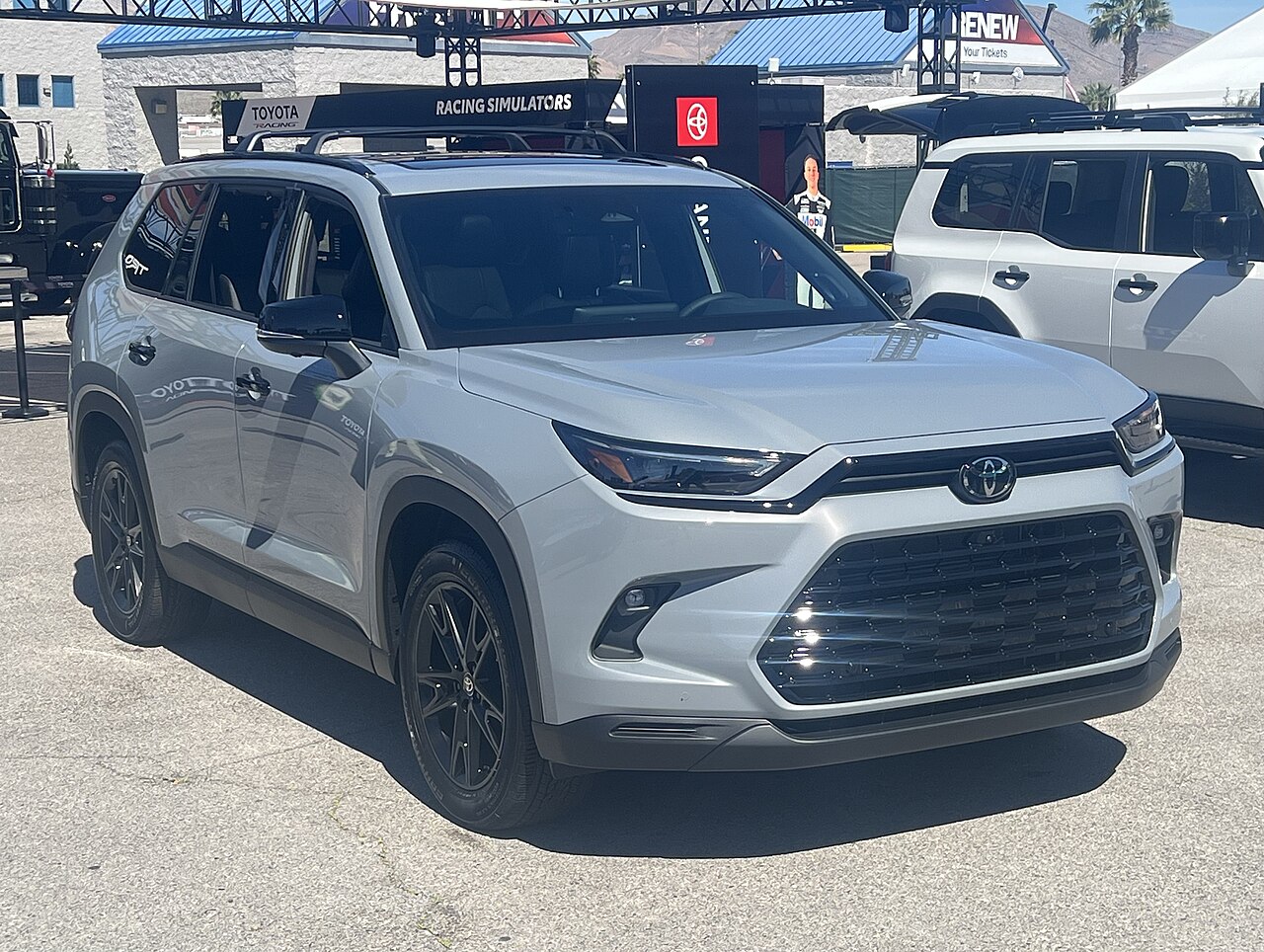
Here’s the short version: a batch of brand-new 2026 Toyotas and Lexus SUVs left the factory with a front steering part that can crack and break while you’re driving. If that part fails, you can lose steering. That’s the one system you can’t afford to lose on a vehicle.
This covers a wide spread of 2026 models: the Toyota Grand Highlander and Grand Highlander Hybrid, plus the Lexus TX350, RX350, RX350 Hybrid, RX500 Hybrid, and TX500 Hybrid. These are current-year vehicles, so if you just took delivery, this is aimed squarely at you.
What actually breaks
The part in question is the front steering knuckle. In plain terms, the knuckle is the chunk of metal at each front wheel that ties everything together — the wheel bearing, the brake, the suspension arms, and the steering linkage all bolt to it. When you turn the wheel, the force travels through the steering system and twists that knuckle so the front wheels point where you want to go.
It’s a structural part. It carries load every time you steer, brake, or hit a bump. It’s not supposed to flex or fatigue — it’s supposed to be solid metal that just holds.
According to the filing, a manufacturing error means the front steering knuckles may crack and break. That’s the key word: manufacturing. This isn’t a design that was always weak. Something went wrong on the production side, so the affected knuckles aren’t as strong as they should be.
Here’s why that matters. A cracked knuckle doesn’t always announce itself. A hairline crack can grow over time with normal driving stress. If that crack spreads far enough and the knuckle breaks, the wheel loses its proper connection to the steering and suspension. The filing is blunt about the result: a cracked or broken steering knuckle can result in a loss of vehicle steering control, which raises your crash risk.
Think about where that happens. You turn into a corner, you’re merging, you’re parking in tight traffic — any moment where you need the front wheels to respond. If the knuckle lets go, the car may not steer the way you expect. There’s no good time for that to happen.
What the filing says
This recall appeared in the NHTSA weekly recall reports for the week of mid-November 2026, per the weekly recall listing published at qcwo.com.
The cause is stated as a manufacturing error affecting the front steering knuckles. The safety consequence is loss of steering control and increased crash risk.
That’s the extent of what the filing confirms. I’m not going to guess at how many vehicles are involved or hand you a repair date I don’t have. What I can tell you is the models named and the part that’s affected, and that’s enough to act on.
What this means if you own one
If you’re driving one of these 2026 SUVs, treat this like the steering problem it is. Here’s how to handle it.
-
Run your VIN. This is the only way to know for sure whether your specific vehicle is in the affected batch. Use NHTSA’s recall lookup or your Toyota/Lexus owner account and enter your 17-digit VIN. A manufacturing error usually hits a range of production, not every unit built, so the VIN check tells you if yours is one of them.
-
Don’t ignore steering symptoms. You shouldn’t feel anything unusual from a sound knuckle. If you notice new clunking over bumps, a popping or cracking sound when you turn, a wheel that feels loose or vibrates oddly, or the car pulling or wandering, get it checked right away. A cracking knuckle can give warning signs before it fully breaks. Don’t drive on it hoping it sorts itself out.
-
Get the free repair. Safety recall work is done at no charge to you. When Toyota and Lexus notify owners and the fix is ready, the dealer will inspect and replace the affected knuckles for free. You do not pay for the part or the labor. If any service writer tries to charge you for recall-related work, that’s not how it works.
-
Document everything. Save the recall notice, write down your VIN, and keep records of any dealer visits and any symptoms you reported. If you had a steering issue before the repair, a paper trail protects you.
-
Know your rights while you wait. If parts or scheduling put you off for a while and your vehicle is showing steering symptoms, push the issue — this is a loss-of-control defect, not a cosmetic one. Ask the dealer what they recommend in the meantime.
You can keep an eye on the 2026 Toyota Grand Highlander hub for related owner information.
The honest take
A steering knuckle cracking is about as serious as a single-part failure gets, because it goes straight to whether you can control the vehicle. The one piece of good news here is that this is a manufacturing error on a very recent model year, which means it should be a defined batch of vehicles and a clean fix — inspect, replace the bad knuckle, done.
That doesn’t mean sit on it. Run your VIN, pay attention to how the front end feels, and get the free repair done as soon as your dealer has parts. These are new SUVs, and most owners will never feel a thing. But steering is not the system where you take chances.