Toyota and Lexus recall 314,029 vehicles over airbag inflator rupture risk
Flying metal fragments can cause serious injury or death to the driver or passengers.
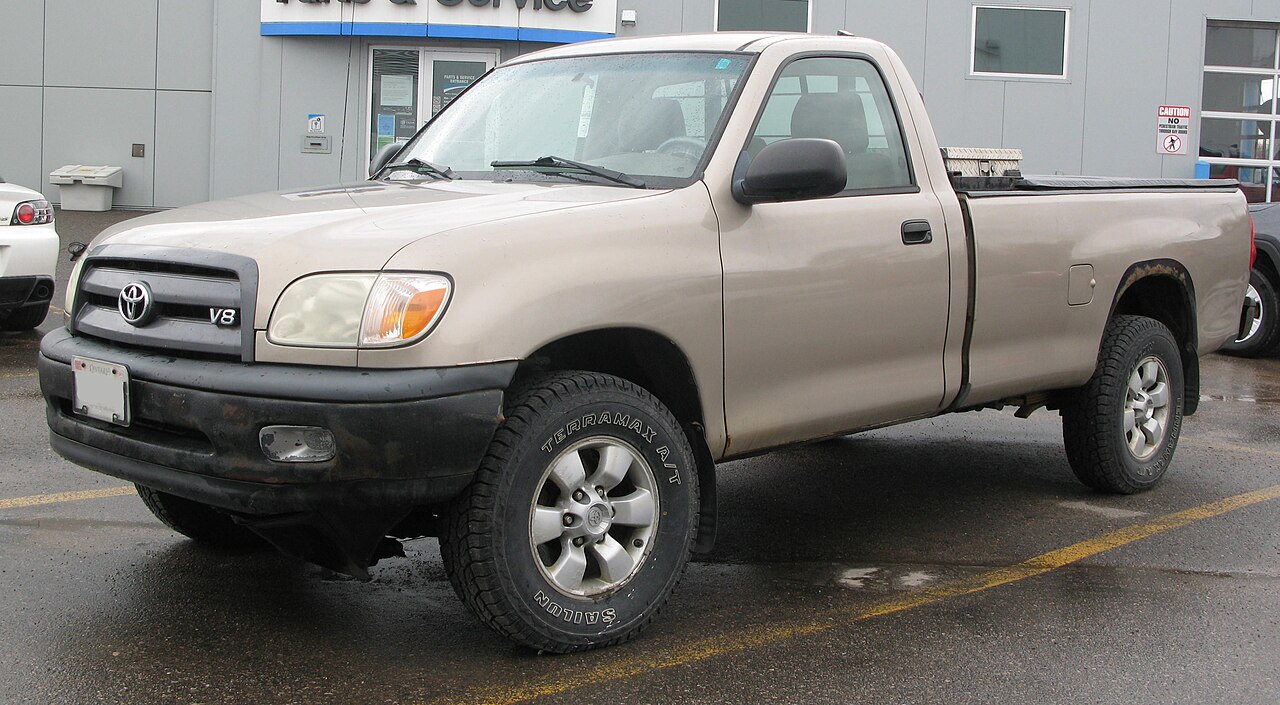
Here’s the short version: Toyota and Lexus are pulling back 314,029 vehicles because a front passenger airbag inflator can blow apart when it fires. If that happens, the thing that’s supposed to protect the person in the right front seat can instead throw sharp metal into the cabin. That’s not a paperwork problem. That’s the kind of defect that turns a survivable crash into a fatal one.
NHTSA posted the safety notice on November 12, 2026. Here’s what it covers and what you should do about it.
What actually fails
The front passenger airbag has an inflator inside it. When the car senses a crash, that inflator fires a small, controlled explosion to fill the bag with gas in a fraction of a second. That’s normal. That’s how every airbag works.
The problem here is that the inflator itself can rupture when it goes off. Instead of staying sealed and doing its one job, the metal housing can break apart under pressure. When it does, it sends sharp metal fragments into the passenger compartment.
Per the filing, those flying fragments can cause serious injury or death to the driver or the passengers. You read that right. The safety device becomes the source of the injury. And there’s nothing the person sitting there can do about it in the moment. By the time the airbag deploys, the crash is already happening and the metal is already moving.
This is the same basic failure mode that has driven a long line of inflator recalls across the industry. A ruptured inflator doesn’t care how careful a driver you are. It only shows up when the bag actually deploys, which means you may own one of these cars for years and never see a hint of trouble until the one day it matters most.
Which vehicles are covered
Six model-year combinations are named in this action, spread across four separate NHTSA campaign numbers:
- 2003 Toyota Corolla
- 2005 Toyota Tundra
- 2005 Toyota Sequoia
- 2017 Lexus GX460
- 2002 Lexus SC430
- 2011 Lexus IS250
The campaign numbers tied to this recall are 26TB25, 26TA25, 26LB11, and 26LA11. Toyota models and Lexus models are split across those IDs, which is normal when one defect touches multiple brands and build configurations.
Notice the spread of years. You’ve got vehicles from 2002 all the way to 2017 in the same action. If you’ve been driving one of these for a long time and assumed you were past the window for recalls, that assumption doesn’t hold here.
What the filing says happens next
NHTSA issued the safety notice on November 12, 2026. Owner notification letters are expected to start going out on December 28, 2026.
The remedy depends on which vehicle you have. According to the filing, dealers will either replace the front passenger airbag inflator or replace the entire airbag assembly. Either way, the repair is free of charge. You do not pay for parts or labor on a recall repair. That’s federal law, not dealer goodwill.
What this means if you own one
-
Run your VIN. Don’t go by model year alone. Recalls hit specific build ranges, and the only way to know for certain whether your exact vehicle is included is to check the VIN against the open recalls. Do that before the letter even arrives.
-
Watch the mail around late December. Owner notification letters are expected to begin December 28, 2026. If your vehicle is covered, that letter tells you what repair your car needs and when parts are available. Keep it.
-
Don’t disable or ignore the passenger airbag yourself. The fix is a dealer replacement of the inflator or the full assembly. This isn’t something you patch in the driveway. Let the dealer do the authorized repair with the correct parts.
-
Know the repair costs you nothing. If a dealer tries to charge you for anything tied to this recall, that’s wrong. Replacement of the inflator or airbag assembly is free under this campaign. Push back and reference the campaign number for your brand.
-
Document everything. Save the notification letter, write down who you spoke to at the dealer, and keep copies of the repair order once the work is done. If parts are backordered, get the delay in writing. A paper trail protects you if anything goes sideways later.
If you drive a 2005 Toyota Tundra or a 2005 Toyota Sequoia, those are two of the six vehicles named here, and they’re worth checking today.
The honest take
An inflator rupture is one of the few defects I’d tell you not to sit on. Most recalls give you some runway. A bad door latch, a software glitch, a leaky seal, those usually come with warning signs or low odds of hurting anyone right away. This one is different. It only reveals itself in a crash, and when it does, it can injure or kill the people the airbag was supposed to save.
The good news is the fix is straightforward and free. Replace the inflator or the assembly, and the car does what it’s supposed to do again. Check your VIN, book the repair when parts are ready, and keep your records. That’s the whole job.