Honda recalls 635,808 Honda and Acura vehicles over power-steering loss
Loss of power-steering assist makes the vehicle harder to steer, increasing the risk of a crash.
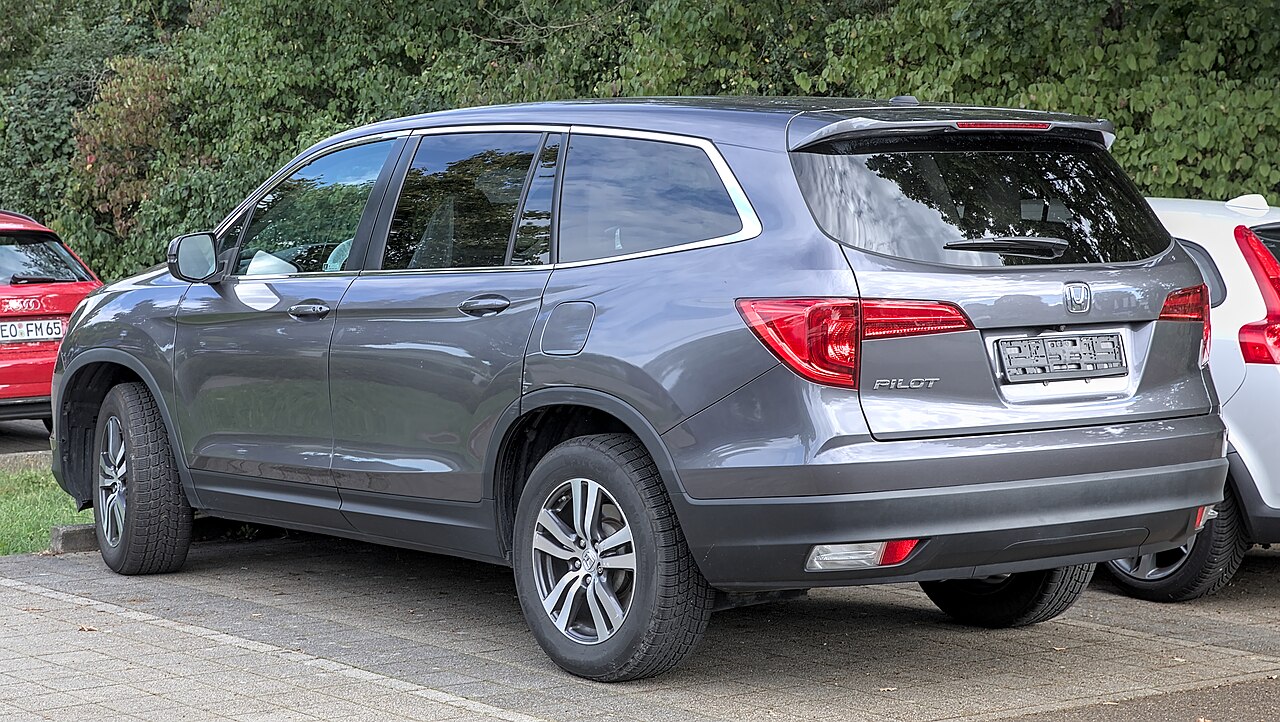
Here’s the short version: Honda is recalling 635,808 Honda and Acura vehicles because the electric power steering can quit assisting you while you’re driving — including when you’re going straight down the road. If you own one of these, that’s not a problem you want to find out about at highway speed.
What actually fails
Modern cars don’t steer with a hydraulic pump and a belt the way your grandfather’s truck did. They use electric power steering, or EPS. A control unit — the brain — reads what you’re doing with the wheel and tells an electric motor how much assist to add so turning feels easy.
On these vehicles, the EPS control unit is made by Bosch, and Honda says it left the factory with an improper software configuration. In plain English, the brain was programmed wrong. When that bad configuration acts up, it can disable the power-steering assist entirely. You’ll get warning lights on the instrument panel when it happens.
Here’s the part that matters: the filing says this can occur while the vehicle is traveling straight. You don’t have to be cranking the wheel into a tight corner. One second the steering feels normal, the next the assist drops out and the wheel goes heavy. The car doesn’t lock up — you can still physically steer it — but you’re now muscling a vehicle that was designed to be steered with electric help. That’s a problem on a highway, in a merge, or anywhere you need a quick, confident correction.
Honda’s own numbers back up that this isn’t theoretical. As of October 22, the company reported 146 warranty claims and one injury tied to the issue.
What the filing says and the timeline
The recall covers a specific list of model years:
- 2023, 2024, and 2025 Honda Pilot
- 2021 Acura TLX
- 2022, 2023, and 2024 Acura MDX
Honda determined there was a safety risk on October 22. The recall was reported to NHTSA around November 10 to 12. Owner notification letters are scheduled to begin mailing on December 14.
The fix is a software reprogram. Dealers will reflash the EPS control unit with the correct configuration, and it’s free of charge. No parts to replace, no hydraulic work — this is the brain getting new instructions. That’s about as clean as a recall repair gets, assuming your dealer has the updated software ready when you show up.
What this means if you own one
-
Run your VIN. Being in one of these model years doesn’t guarantee your specific vehicle is affected, and being outside the exact years means you’re probably clear. Check your VIN against the recall before you do anything else. You can start at your vehicle’s hub — the 2023 Honda Pilot, 2024 Honda Pilot, 2025 Honda Pilot, 2021 Acura TLX, 2022 Acura MDX, 2023 Acura MDX, or 2024 Acura MDX.
-
Don’t ignore the warning lights. The filing specifically says warning lights appear on the instrument panel when the assist is disabled. If you see steering-related warnings light up — especially paired with the wheel suddenly feeling heavy — treat that as the defect doing exactly what Honda described. Get it looked at.
-
Know what the loss of assist feels like. If the assist drops out while you’re driving, the wheel will get hard to turn without warning. Keep both hands on it, slow down in a controlled way, and steer with firm, deliberate inputs. The steering still works mechanically — it’s just heavy. Panicking and yanking is how a manageable situation becomes a crash.
-
Wait for your letter, but you don’t have to sit on your hands. Notification letters start mailing December 14. If you’d rather not wait, call your Honda or Acura dealer, give them your VIN, and ask whether the reprogramming software is available yet. Early in a recall it sometimes isn’t, and there’s no point burning a trip for nothing.
-
The repair is free. Keep it that way. Reprogramming the EPS control unit is covered under the recall. You should not be charged for the reflash. If a dealer or shop tries to bill you for it, that’s not how a safety recall works.
-
Document everything. If your vehicle has already shown the warning lights or a steering problem, write down the date, what happened, and what you were doing when it occurred. If you’ve paid for a related diagnosis or repair before the recall, hang onto the paperwork.
My honest take
A software reprogram is one of the better outcomes you can hope for in a recall. There’s no part shortage to wait on, no hydraulic component to replace, and the fix is free. That’s the good news.
The bad news is what the defect does before it’s fixed. Losing steering assist while traveling straight is the kind of failure that gives you no warning and no setup — it just happens. Honda is reporting 146 warranty claims and one injury already, and those are the cases that got written down. That’s enough to take this seriously rather than filing the letter in a drawer.
If you own one of these Pilots, that TLX, or one of the MDX model years, get your VIN checked and get the reprogramming done once the software is available. It’s a quick appointment that removes a real risk. Reporting here is based on Fox Business, FOX 5 NY, and Cars.com. Don’t wait for something to go wrong to find out your car was on the list.