2019 Hyundai Veloster N Recalled Over Air Bags
Air bags and seat belt pretensioners that do not activate in a crash increases the risk of injury.
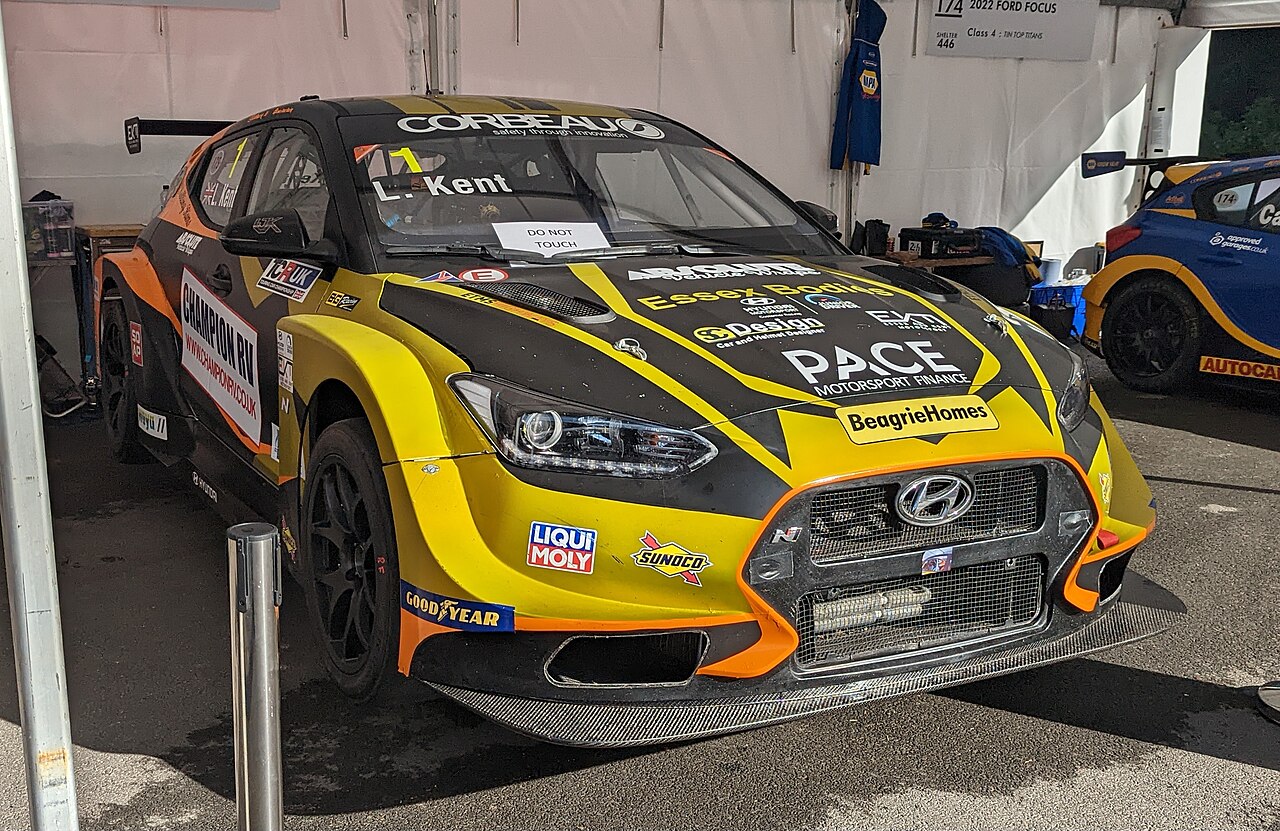
Here’s the short version: Hyundai says the computer that’s supposed to fire your air bags might shut the whole system off. Not the air bag itself — the brain behind it. And if that happens, you won’t know until the moment you need it most.
If you own a 2019 through 2022 Veloster N, this one’s worth your attention. Hyundai filed recall 26V728000 with federal regulators on November 2, 2026, covering 37,901 vehicles across the Veloster N and the Kona Electric lines.
What actually fails
Your car has an air bag control unit, or ACU. Think of it as the decision-maker. When sensors detect a crash, the ACU is what tells the air bags to deploy and the seat belt pretensioners to yank the slack out of your belt so you don’t fly forward.
The problem here is software. A coding error in that control unit can improperly deactivate the air bag system and the seat belt pretensioners. In plain terms, the module can turn itself off — or decide the safety gear shouldn’t be live — when it has no business doing that.
You won’t feel this one day to day. No warning light you can count on, no noise, no change in how the car drives. That’s what makes it the kind of defect that bites. Everything feels normal right up until a crash, and then the parts that are supposed to protect you sit there and do nothing.
Air bags and pretensioners that don’t activate in a wreck raise your risk of injury. That’s the whole reason this is a safety recall and not a quiet service bulletin.
What the filing says
Hyundai Motor America is the one issuing it. The federal campaign number is 26V728000, and it was received by NHTSA on November 2, 2026. The affected component is listed as the air bag control module software.
Here’s the part you need to plan around. The VINs tied to this recall don’t become searchable on NHTSA.gov until November 6, 2026. And owner notification letters aren’t expected to go out until January 1, 2027. That’s a long runway between the filing and the time you’ll actually have paperwork in your hands.
The fix itself is straightforward. Dealers will reflash the ACU with updated software, free of charge. No parts to wait on, no hardware swap — it’s a software update that corrects the error so the control unit stops deactivating the safety system.
What this means if you own one
-
Check your VIN once the system goes live. The VINs for this recall become searchable on NHTSA.gov on November 6, 2026. Punch yours in using the lookup tied to campaign 26V728000. Don’t assume you’re covered or that you’re clear just because of the model year — go by the VIN.
-
Don’t wait on the letter to call. Notification letters aren’t scheduled to mail until January 1, 2027. That’s months out. If you want this handled sooner and your VIN comes back affected, you can contact Hyundai customer service at 1-855-371-9460. Hyundai’s internal reference for this recall is number 311.
-
The repair is free. Keep it that way. This is a software update at the dealer at no charge to you. If anyone tries to tell you otherwise, that’s not how a federal safety recall works. You don’t pay for the remedy.
-
Document everything. Write down when you called, who you talked to, and when the work gets done. Keep the paperwork from the dealer showing the ACU software was updated. If you ever sell the car or have a question about whether the fix was applied, that record is what settles it.
-
Don’t ignore anything odd with your restraint system. If an air bag warning light comes on while you’re waiting for your appointment, get it looked at. A software defect like this one is the kind of thing you want corrected sooner rather than sitting on it.
You can keep tabs on your specific model year here: 2019 Hyundai Veloster N, 2020 Hyundai Veloster N, 2021 Hyundai Veloster N, and 2022 Hyundai Veloster N.
My honest take
The good news is the fix is clean — a software update, no cost, no hunting for backordered parts. That’s about as painless as a safety recall gets.
The part that’s harder to love is the timeline. A control unit that can switch off your air bags and pretensioners is as serious as a defect gets, because it hits the exact system meant to save your life in a crash. And you’re looking at months between the filing and the day a letter lands in your mailbox. I wouldn’t sit on your hands that long. Watch for your VIN to go searchable on November 6, 2026, and if it’s on the list, get the update scheduled instead of waiting for the mail.
You can verify the recall details yourself at the NHTSA page for campaign 26V728000. Run your VIN, get the reflash done, and keep the receipt.