Nearly 37,000 Lincoln Navigator SUVs recalled for unexpected front-passenger seat movement
Unexpected seat movement can affect occupant position and increase injury risk.
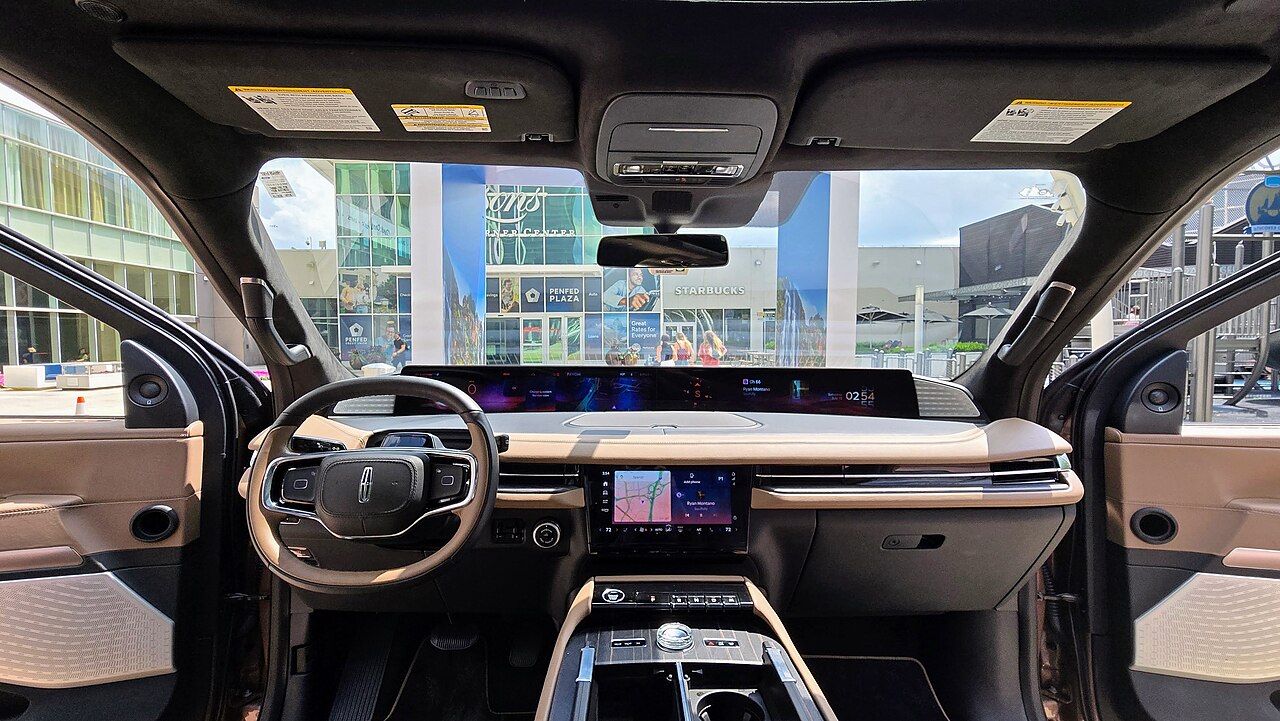
Here’s the short version: if you’re riding shotgun in a new Lincoln Navigator, your seat might move when you don’t want it to. Ford is recalling about 37,000 of these big SUVs because the front passenger seat can shift on its own, and that’s exactly the kind of thing you want locked in place when you’re sitting in a two-and-a-half-ton vehicle.
What’s actually going wrong
The filing says the front passenger seat may move unexpectedly. That’s it, in plain terms — the seat doesn’t stay put the way a seat is supposed to.
Think about what the passenger seat does. It holds a person in a fixed spot so the seatbelt and airbags work the way the engineers designed them. Your belt is anchored to restrain you from a known seating position. The airbag deploys toward a known seating position. When the seat can slide, tilt, or creep without the occupant asking it to, all of that geometry goes out the window.
Here’s why that matters mechanically. If the seat moves forward on its own, the passenger ends up closer to the dash and the airbag than intended. Move it back or shift it at the wrong moment, and the belt doesn’t hold them the way it should. The recall’s own language gets right to the point: unexpected seat movement can affect occupant position and increase injury risk. In a crash, position is everything. A few inches off, and a restraint system that should protect someone can hurt them instead.
You might feel this before any crash ever happens. A seat that rocks, creeps, or shifts when you take a corner or hit the brakes is the symptom. If your passenger says the seat “moved on its own,” that’s not them imagining things — that’s the defect talking.
What the filing says
This recall covers the 2025, 2026, and 2027 Lincoln Navigator. NHTSA puts the number of affected vehicles at roughly 37,000. The recall was reported around November 9-12, according to Cars.com’s recall listing.
That year spread is worth a second look. Pulling in 2026 and 2027 model-year vehicles means some of these Navigators are brand new or haven’t even reached every buyer yet. If you just took delivery, this is as fresh as a recall gets.
What I’m not going to do is guess at the cause. The filing describes the problem — the seat moves unexpectedly — and the risk. It doesn’t hand us a detailed breakdown of which bracket, motor, or latch is at fault, so I’m not going to invent one for you. What you need to know is the behavior and the fix, and both of those come through the official recall process.
What this means if you own one
If you’ve got a new Navigator, here’s how I’d handle it.
-
Run your VIN. This is the only way to know if your specific SUV is one of the roughly 37,000 in the campaign. A recall covering three model years doesn’t mean every single Navigator is included. Check your vehicle identification number against the recall before you assume anything either way. You can start from your model’s page here: 2025 Lincoln Navigator or 2026 Lincoln Navigator.
-
Take any seat movement seriously right now. If your passenger seat shifts, rocks, or won’t hold its position, don’t write it off as a quirk. That’s the exact failure this recall is about. Until it’s repaired, be mindful of who’s riding in that seat and how it’s positioned.
-
Call your Lincoln dealer and get on the schedule. A safety recall repair is free. You don’t pay for parts, you don’t pay for labor. If a service writer tries to tack a charge onto a recall fix, that’s not how this works — push back.
-
Document everything. Write down the dates you called, who you talked to, and when your appointment is set. If the part or fix isn’t available yet, keep a record of that too. If the seat acts up in the meantime, note what happened and when. Paper trails matter if this ever drags on.
-
Watch your mail and don’t lose the notice. The owner notification letter is the official word on your specific vehicle and the remedy. Keep it with your records.
The honest take
This is a real safety recall, not a paperwork shuffle. A passenger seat that moves on its own touches the one job a seat has to do perfectly in a crash — keep the person where the restraints expect them to be. Nearly 37,000 vehicles across three model years is a meaningful number, and the fact that it reaches into the 2026 and 2027 Navigators tells you this got caught early rather than after years on the road.
The good news for owners is that recall repairs are free and the path forward is clear: check your VIN, get it scheduled, and treat any seat movement as a reason to move sooner rather than later. If you daily-drive one of these with family in the passenger seat, I wouldn’t sit on it. Make the call, get it fixed, and keep your paperwork.
Source: Cars.com Recalls.