2012 Honda CR-V Recalled Over Air Bags
An inflator rupture may result in sharp metal fragments striking the driver or other occupants resulting in serious injury or death.
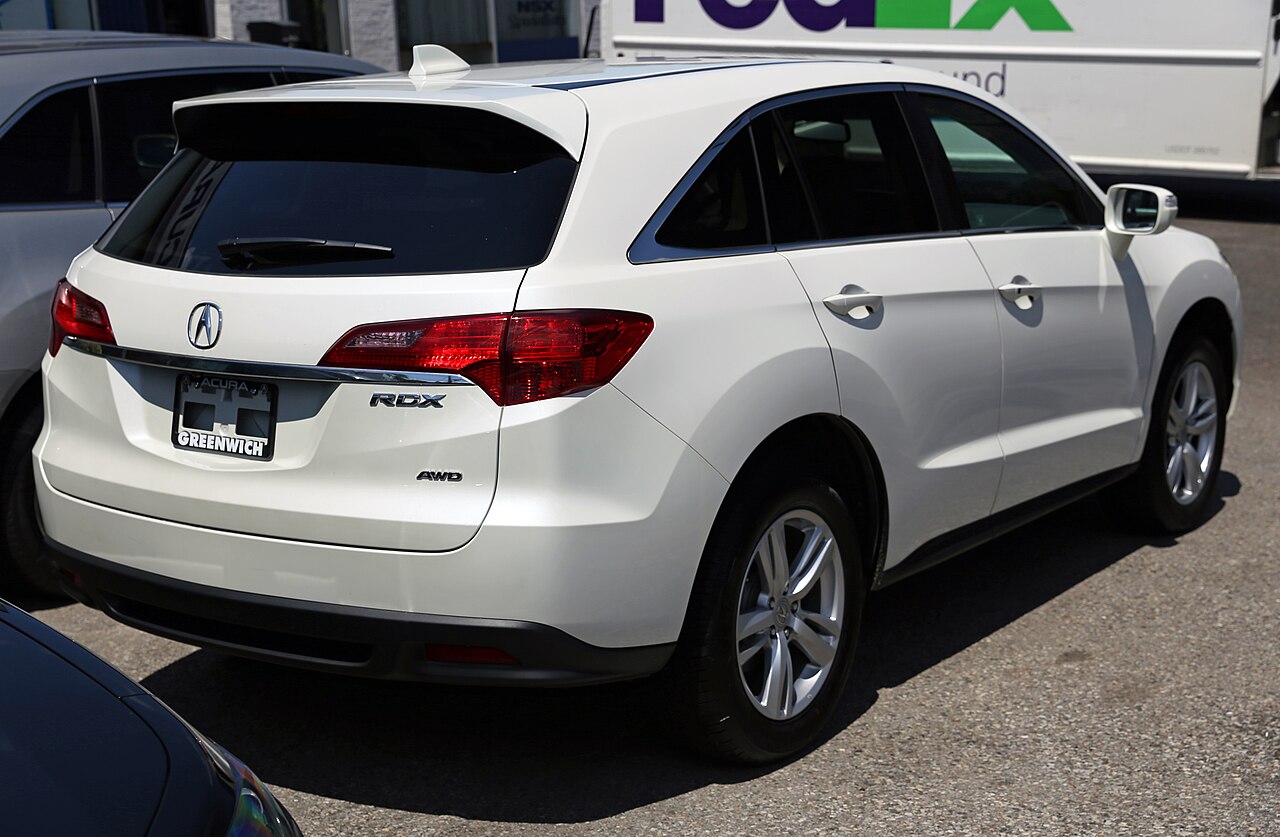
Here’s the short version: Honda is pulling in more than 810,000 older cars and SUVs because the passenger and driver air bag inflators inside them can blow apart when they fire. If you own one of these vehicles, that’s not a problem you want to wait on, even though the fix isn’t quite ready yet.
This is another chapter in the long-running Takata inflator mess, and it lands on some common cars — the 2012 Honda Civic and CR-V, and the 2013 Acura ILX and RDX, plus the 2013 Accord and some 2013 Civic and CR-V models named in the filing. The recall carries NHTSA campaign number 26V765000 and was filed November 19, 2026.
What actually fails
An air bag inflator is basically a small canister of chemical propellant. When the crash sensors say “deploy,” that propellant burns fast and generates a big slug of gas in a fraction of a second. That gas inflates the bag. Normal operation.
The problem here is the propellant itself. Over years of sitting through heat and humidity — and especially through big swings in temperature — the Takata propellant in these inflators can degrade. When it degrades, it can burn too aggressively. Instead of just inflating the bag, the metal housing of the inflator can rupture. The federal filing is blunt about what that means: the rupture can send sharp metal fragments at the driver or passengers.
So the device that’s supposed to protect you in a crash can turn into shrapnel. That’s why this one matters more than a typical recall. The injuries here can be serious, and the filing names the real worst case — death.
The common thread with these Takata inflators is age plus climate. Long-term exposure to high humidity and wide temperature variation is what drives the degradation. The older the car and the hotter, more humid the place it’s lived, the more that propellant has had a chance to break down.
What the filing says, and the timeline
Honda (American Honda Motor Co.) reported the defect to NHTSA on November 19, 2026. The affected count is 810,592 vehicles, covering certain 2013 Acura RDX and ILX, 2012–2013 Honda CR-V and Civic, and 2013 Honda Accord vehicles equipped with the affected Takata front driver and passenger inflators.
The fix is straightforward on paper: dealers replace the front driver or passenger air bag inflator, free of charge. But here’s the part you need to read carefully — the remedy isn’t available yet.
Honda plans to mail interim notification letters on December 18, 2026. Those interim letters are there to warn you about the safety risk, not to tell you to come in for the repair. A second round of letters goes out once the final remedy parts are actually ready. VINs for this recall become searchable on the NHTSA site starting November 22, 2026.
Honda’s internal numbers for this campaign are BQK, MQJ, KQI, and QQH, and the customer service line is 1-888-234-2138.
What this means if you own one
-
Run your VIN — but know the date. Starting November 22, 2026, you can check your VIN against this recall on NHTSA.gov. If you check before that, this specific campaign may not show up yet, which doesn’t mean your car is clear. Check again after the 22nd. If you own a 2012 Honda Civic, 2013 Honda Civic, 2012 Honda CR-V, 2013 Honda CR-V, 2013 Honda Accord, 2013 Acura ILX, or 2013 Acura RDX, this is one to watch.
-
Read the interim letter when it comes. The December 18, 2026 mailing is a heads-up about the risk, not an appointment. Don’t toss it. When the second letter arrives saying parts are available, that’s your cue to book the free inflator replacement.
-
Take the risk seriously in the meantime. There’s no owner-side symptom you can feel with a degrading inflator — it sits there looking normal until the day the bag fires. That’s what makes it different from a knock or a stall you can hear coming. With a ruptured inflator, you only find out in a crash. If you live somewhere hot and humid, treat the warning with extra weight.
-
The repair is free. Keep it that way. Dealers replace the inflator at no charge under this recall. You should not be paying for parts or labor on 26V765000. If a dealer tries to tack on a fee for the recall work, that’s not how a safety recall works.
-
Document everything. Save the letters, note the dates, and write down who you talked to when you call 1-888-234-2138. If you have to wait for parts, a paper trail protects you.
The honest take
The mechanical problem here is real and well understood. These Takata inflators have a track record, and the failure mode — a ruptured canister throwing metal at the people in the front seats — is about as serious as a defect gets. Honda is doing the right thing by recalling them and covering the repair.
The frustrating part is the wait. The warning letters come in December 2026, but the final fix lands later, and you’re left driving a car with a known risk until parts show up. That’s not Honda being cheap — supplying this many inflators takes time — but it does mean the burden is on you to stay on top of it. Mark the calendar for November 22, check your VIN, open the letters, and get the free replacement the moment it’s offered. These cars are old enough that plenty of owners have stopped paying attention to recall mail. Don’t be one of them on this one.