2022 Toyota Tundra Recalled Over Engine And Engine Cooling
A loss of drive power increases the risk of a crash.
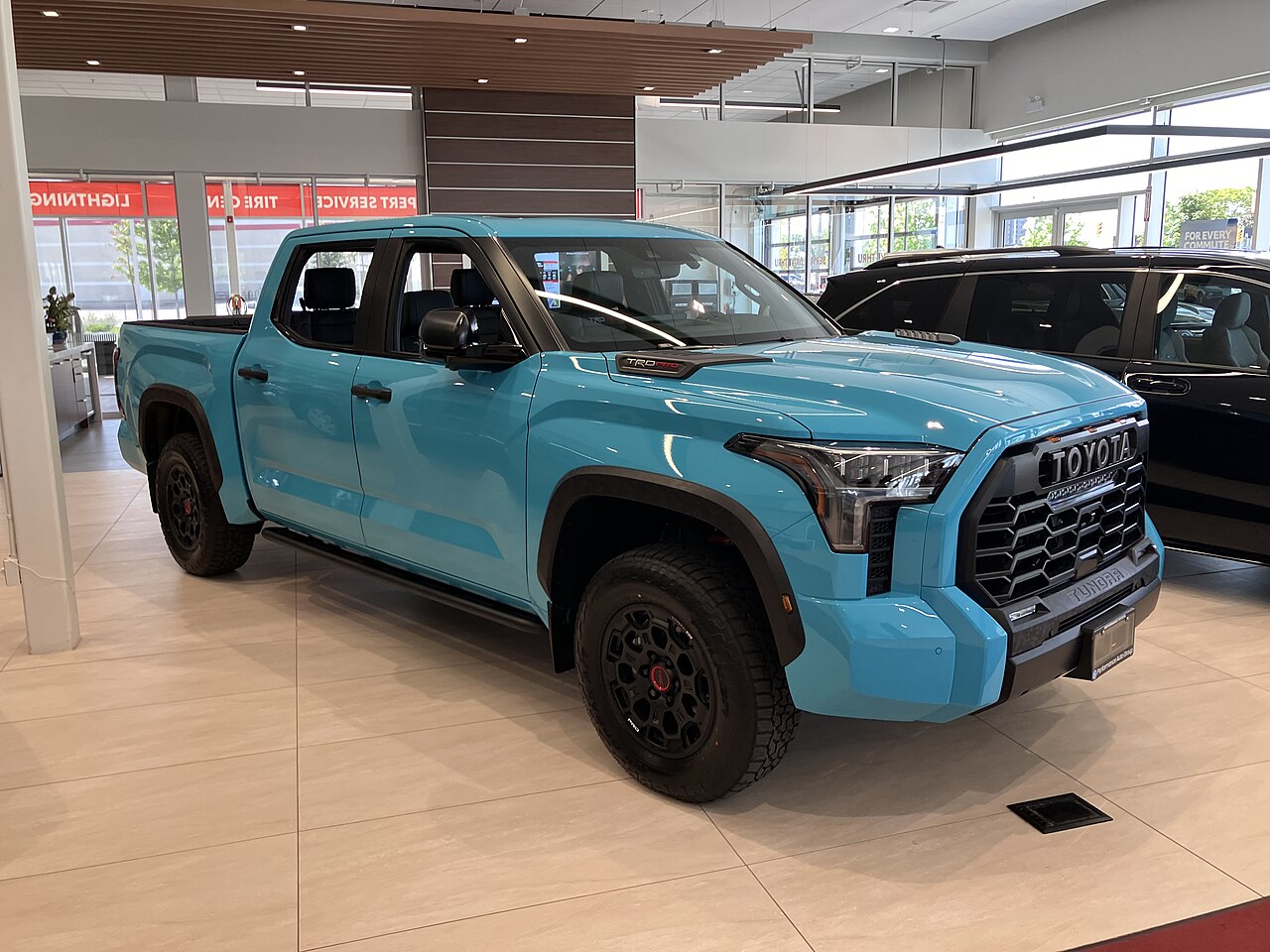
Here’s the short version: Toyota is recalling about 62,000 Tundra pickups because a camshaft inside the engine can crack and snap, and when it does, the engine can stall and you lose power to the wheels. If you own one of these trucks, that’s not a press-release problem. That’s a part inside your motor that was built wrong and can fail while you’re driving.
This is NHTSA campaign 26V750000. Toyota filed it on November 12, 2026. It covers certain 2022, 2023, 2025, and 2026 Tundra vehicles — 62,490 of them by Toyota’s own count.
What’s actually failing
A camshaft is one of the hardest-working parts in your engine. It’s a shaft with lobes on it that spins and opens and closes your valves in time with everything else. It takes a beating every second the engine runs. That part has to be made right, with the right material and the right process, or it won’t hold up.
On these trucks, Toyota says one of the engine camshafts may have been manufactured incorrectly. The problem with a bad camshaft is that it can start to crack. And a crack in a spinning part under constant load doesn’t stay small. It grows. Eventually the camshaft can snap.
When a camshaft snaps, your valves stop being controlled the way they need to be, and the engine quits. Toyota’s filing spells out the result: an engine stall and loss of drive power. That means the truck can shut down and stop pulling. You’d feel it as the engine dying — power gone, the truck coasting on whatever momentum it had.
Here’s why that matters past the inconvenience. Losing drive power in traffic, on a highway, or while you’re merging is dangerous. NHTSA’s filing says a loss of drive power increases the risk of a crash. A truck that quits in the wrong spot is a hazard to you and everyone around you.
What the filing says
Toyota Motor Engineering & Manufacturing is the one handling this. The campaign number is 26V750000. Toyota’s internal numbers for the same recall are 26TB26 and 26TA26 — you may see those referenced on dealer paperwork.
The fix is straightforward on paper. Dealers will inspect the camshaft and replace it as necessary, free of charge. That’s the part you need to hold Toyota to — this repair costs you nothing.
One thing to watch: the notification timeline. Toyota expects to start mailing owner letters on December 28, 2026. That’s a ways out from when the recall was filed. So if you own one of these trucks, you may not get your letter for a while, and you shouldn’t wait on it to get your questions answered.
What this means if you own one
-
Run your VIN. Don’t guess based on the model year. A recall only applies to specific trucks within the affected years, and the only way to know for sure is to check your VIN against NHTSA campaign 26V750000. Do this for a 2022 Toyota Tundra, 2023 Toyota Tundra, 2025 Toyota Tundra, or 2026 Toyota Tundra.
-
Don’t ignore a symptom. This defect ends in a snapped camshaft, and that doesn’t always happen with zero warning. If your engine runs rough, makes a noise it didn’t make before, throws a check-engine light, or stumbles, don’t drive it like nothing’s wrong. Get it looked at. A stall in traffic is exactly what this recall is trying to prevent.
-
Call Toyota if you’re worried. You don’t have to sit and wait for the December 28, 2026 letter. Toyota’s customer service line is 1-800-331-4331. Reference campaign 26V750000, or Toyota’s numbers 26TB26 and 26TA26.
-
Know the repair is free. Dealers will inspect and replace the camshaft at no charge. If anyone tries to bill you for the inspection or the part under this recall, that’s not how it works. Push back and get it in writing.
-
Document everything. If you’ve already had engine trouble, keep your receipts and your repair records. Write down dates, what the truck did, and what any shop told you. If this turns into a bigger problem or a reimbursement question down the road, a paper trail protects you.
My take
A camshaft that can crack and snap is a serious defect, not a minor one. This is an internal engine hard part failing in a way that kills drive power, and that’s the kind of thing that puts you in a bad spot on the road. Toyota is doing the right thing by recalling it and replacing the part for free.
My honest concern is the clock. The recall was filed in November 2026, but owner letters aren’t going out until the end of December 2026. That’s a gap where a lot of these trucks are still driving around on a camshaft that may have been built wrong. You don’t have to wait for a letter to protect yourself. Check your VIN, pay attention to how your truck is running, and get it into a dealer if anything feels off. The free fix is only useful if you’re around to collect on it.