Toyota recalls 314,029 U.S. vehicles over Takata front passenger airbag rupture risk
If the front passenger airbag deploys, the inflator could rupture and hurl metal fragments at occupants, causing injury or death.
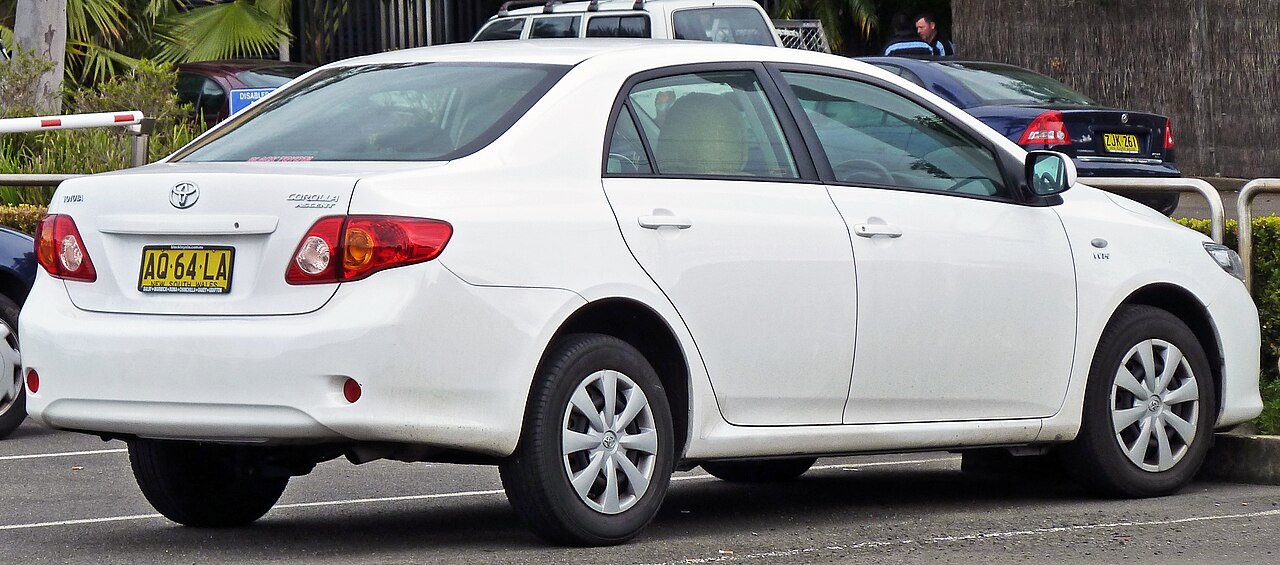
Here’s the short version: Toyota is recalling 314,029 vehicles in the U.S. because the front passenger airbag inflator could rupture when it deploys. If you own one of these cars or trucks, that’s the kind of defect you don’t wait on.
This is a Takata inflator recall. You’ve probably heard that name before. What makes this one worth your attention is the mechanical reason behind it, and the fact that the parts are simply getting old.
What actually fails here
The front passenger airbag has an inflator inside it. That’s the device that fires off a small, controlled explosion to fill the bag in a crash. The inflator uses a chemical propellant to do that work.
On these Takata units, the propellant can degrade over time. The filing points to long-term exposure to high humidity, high temperatures, and temperature cycling — the heat-up and cool-down your vehicle goes through every single day. After enough years of that, the propellant breaks down and can burn too aggressively when the airbag deploys.
When that happens, the metal housing of the inflator can’t hold the pressure. It ruptures. Instead of just inflating the bag, it can throw metal fragments into the cabin — straight at whoever is sitting in the front passenger seat. The filing is blunt about the consequence: injury or death.
Toyota says these inflators are nearing the end of their estimated safe service life. In plain terms, these parts were never meant to last forever, and the clock has run out.
Here’s the part that matters for how you think about this: the danger only shows up when the airbag deploys. You won’t feel a symptom driving around. There’s no knock, no warning light tied to this, no stall. The failure happens in the one moment the airbag is supposed to protect you. That’s exactly why a recall like this gets handled proactively instead of waiting for drivers to notice something.
What the filing says
NHTSA announced the recall on Thursday, November 19, 2026. Reuters reported it the same day.
The broader defect covers certain Takata front passenger airbag inflators in model year 2002 through 2017 Toyota and Lexus vehicles. The specific vehicles pulled into this action are:
- 2002 Lexus SC430
- 2005 Lexus IS250
- 2010 Lexus GX460
- 2010 Toyota Corolla
- 2010 Toyota Tundra
- 2010 Toyota Sequoia
- 2010 Toyota 4Runner
Total count: 314,029 vehicles in the U.S.
One thing worth being straight about: Toyota said it had received no reports of ruptures involving the affected inflators. That’s a good sign, but it doesn’t change the math. These are aging parts with a known failure mode, and the recall exists to get them out of your vehicle before that failure mode has a chance to show up in your driveway.
What this means if you own one
If your vehicle is on that list, here’s how I’d handle it.
-
Run your VIN. The model and year matter, but a recall always comes down to your specific VIN. Go to nhtsa.gov/recalls, type in your 17-digit VIN, and see if this campaign shows up for your vehicle. That’s the only way to know for certain whether yours is included.
-
Watch for your recall notice. Toyota will mail owners of affected vehicles. If you bought the car used and never registered it with the manufacturer, the letter may not reach you — which is another reason to check the VIN yourself rather than wait on the mailbox.
-
Get the repair done, and know it’s free. A safety recall repair doesn’t cost you anything. The dealer replaces the defective inflator at no charge. Don’t let anyone upsell you on it or tell you there’s a diagnostic fee tied to the recall itself.
-
Think twice about the front passenger seat until it’s fixed. The risk is specific to the front passenger airbag. If you’ve got an affected vehicle and you’re waiting on parts or an appointment, keep that in mind for how you seat people in the meantime.
-
Document everything. Keep your recall letter, your VIN lookup results, and your repair paperwork. If you ever need to prove the work was done — for resale, or if any question comes up later — you’ll want a record.
If you want to keep tabs on your specific model, we track these by vehicle here at ProblemsByVin: 2010 Toyota Corolla, 2010 Toyota Tundra, 2010 Toyota Sequoia, and 2010 Toyota 4Runner.
My honest take
Takata inflators have a long, ugly history, and the reason this keeps happening is that the parts degrade with age and exposure. That’s what you’re looking at here. Toyota isn’t reacting to a string of injuries in these specific vehicles — they’re saying the inflators are getting old enough that the safe margin is gone. That’s the responsible call, and it’s the right time to act.
No reported ruptures in these units is genuinely reassuring. But “no reports yet” and “safe to ignore” are not the same thing. The failure only reveals itself in a crash, and that’s the worst possible time to find out your airbag was overdue for replacement. Run your VIN, book the free repair, and get it off your plate.