2024 Ford Mustang Recalled Over Electrical System
A loss of driver power increases the risk of a crash. In addition, a loss of headlight function or windshield washing system function can reduce visibility
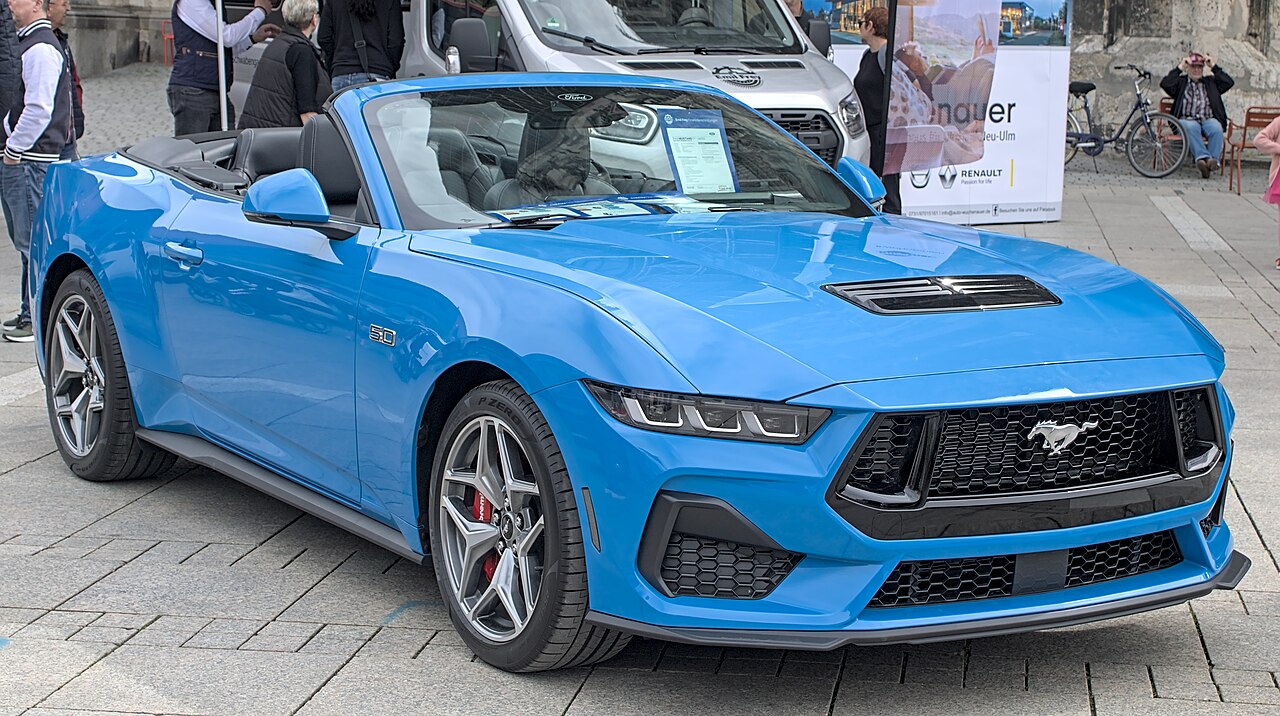
Here’s the short version: a bad ground connection under the hood of your Mustang can quit on you, and when it does, you could lose drive power, your headlights, your washer system, your A/C, or your cooling fan. Ford is recalling about 148,000 of these cars over it. If you own one, this is a real safety problem, not paperwork you can toss.
What actually fails
The problem lives in the engine compartment wiring harness. Specifically, the ground connections on that harness can fracture.
Here’s why that matters. A ground is the return path for electricity. Every electrical circuit needs a clean path back to the battery’s negative side, and a lot of components in your engine bay share those ground points. When a ground terminal cracks and loses its connection, the circuits that depend on it stop working right. It’s not one neat failure — it’s whatever happened to be tied to that ground.
Per the filing, that can mean:
- A loss of drive power
- Headlights that quit
- The windshield washer system going dead
- Air conditioning dropping out
- The engine cooling fan not running
Any one of those is a problem. Losing drive power while you’re moving is the obvious one. But losing your headlights at night, or your washer system when you’re trying to clear a filthy windshield, cuts your visibility down to nothing in a hurry. Ford is straight about the risk here: loss of drive power raises your crash risk, and losing headlights or washer function reduces visibility and does the same.
Because of the headlight and washer failures, these cars don’t meet two federal safety standards — FMVSS 108, which covers lamps and reflective equipment, and FMVSS 104, which covers windshield wiping and washing. That’s the legal side of it. The practical side is you could be driving a car that suddenly can’t see or be seen.
What the filing says
The recall is NHTSA campaign 26V547000. Ford’s internal number for it is 26C40. It covers certain 2024, 2025, and 2026 Mustang vehicles — 148,663 of them by NHTSA’s count.
Ford received the recall on August 25, 2026. The VINs became searchable on NHTSA.gov on August 28, 2026, so you can check yours now.
The fix is straightforward mechanically. Dealers will replace the engine compartment wiring harness ground terminals, free of charge. The catch is the timing. This one rolls out in two stages:
- Interim letters — notifying you of the safety risk — are expected to mail August 31, 2026.
- Remedy letters — telling you the repair is ready — are anticipated in March 2027.
So there’s a gap. Ford is telling owners about the danger months before the parts and procedure are in place. That’s not unusual for a fresh recall, but it means you may know about the problem before you can get it fixed. Plan around that.
What this means if you own one
-
Run your VIN. Go to the NHTSA recall lookup for campaign 26V547000 and enter your VIN. The VINs went live August 28, 2026. Do this even if you haven’t gotten a letter yet — mailing takes time, and letters get lost. This applies whether you’ve got a 2024 Ford Mustang, a 2025 Ford Mustang, or a 2026 Ford Mustang.
-
Don’t ignore a symptom. If your headlights start acting up, your cooling fan doesn’t kick on when it should, your A/C quits, your washer stops spraying, or the car feels like it’s losing drive power, treat that as related until proven otherwise. A cracked ground can show up as any of those. Get it looked at, and mention the recall.
-
Watch your cooling fan especially. If that fan stops running, your engine can overheat, and that’s a fast way to turn an electrical issue into a mechanical one. If your temperature gauge climbs where it never did before, don’t keep driving it.
-
Know the timing and hold Ford to it. Interim letters go out around August 31, 2026, but the actual fix isn’t expected until March 2027. When the remedy letter arrives, book the appointment. The repair — replacing the ground terminals — is free. You don’t pay for parts or labor on a safety recall.
-
Document everything. If you have a failure before the remedy is available, keep records. Save repair invoices, note the dates, and write down what the car did. If you end up paying out of pocket to keep the car safe and driveable before the fix is ready, that paper trail matters.
-
Keep Ford’s number handy. For questions, Ford customer service is 1-866-436-7332, recall 26C40.
The honest take
This is a legitimate safety recall, and the failure mode is the kind I don’t like — not one clean symptom you can plan for, but a shared ground that can take out several systems depending on how it fractures. Drive power, headlights, cooling fan. Those aren’t minor.
The frustrating part is the wait. You’ll likely get told about the danger in late August 2026 and won’t have a fix until around March 2027. That’s a long window to sit on a car that might lose a ground. If yours is affected, drive it aware, take any of those symptoms seriously, and get the free repair the moment the remedy letter shows up. Don’t let it slide just because the car seems fine today — grounds fail without a warning.