2026 RAM 1500 Recalled Over Tires
A TPMS warning light that fails to notify the driver of low tire pressure increases the risk of a crash.
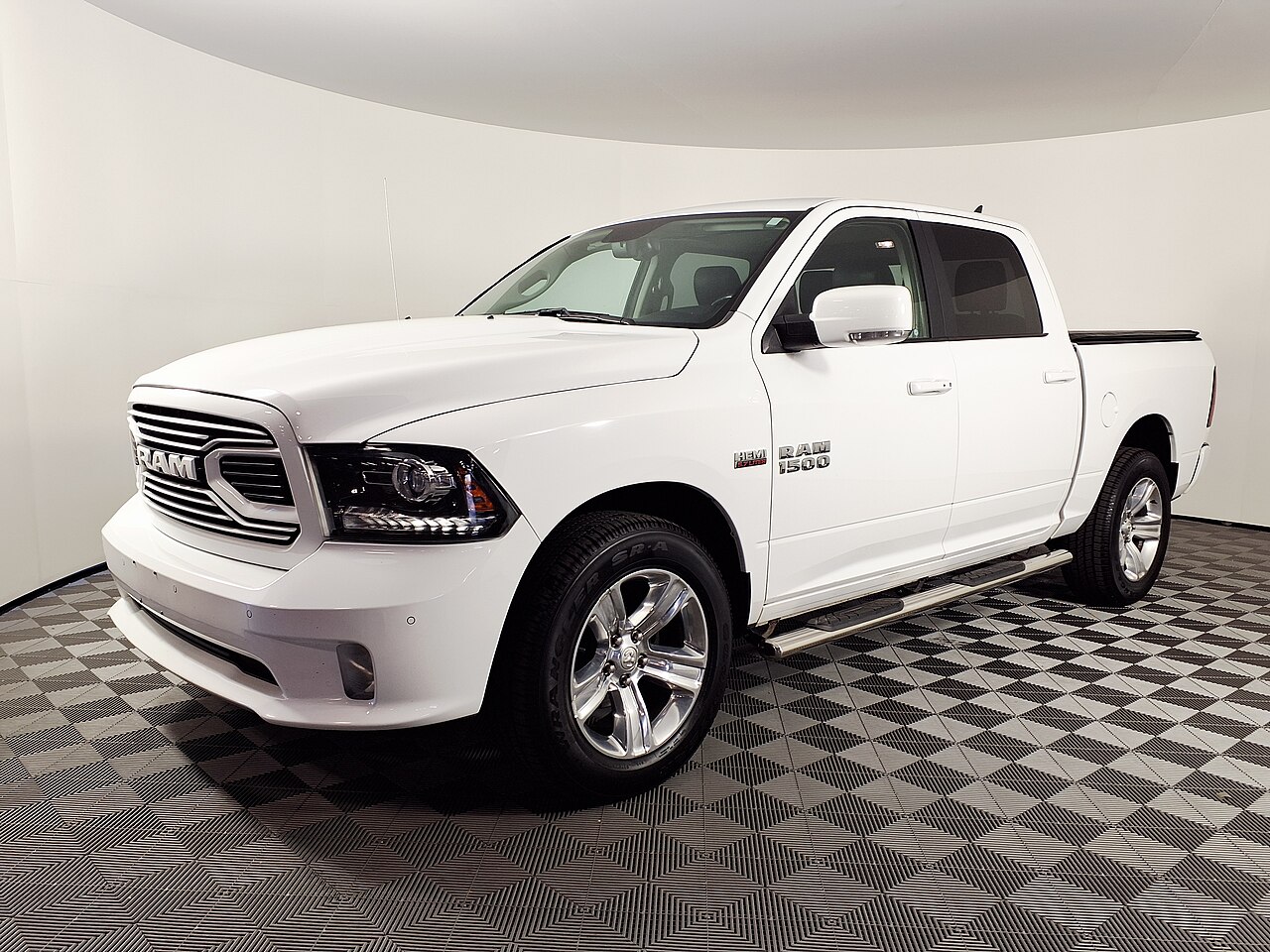
Here’s the short version: if you own a 2026 RAM 1500, the system that’s supposed to warn you about a flat tire might not do its job. Chrysler is recalling a batch of these trucks because the tire pressure monitoring system — the TPMS — may not catch low pressure, and the dashboard warning light may not come on when it should.
That’s not a cosmetic glitch. That’s a safety system that stays quiet when it’s supposed to be shouting at you.
What’s actually wrong
Every new truck sold in this country has to meet a federal rule called FMVSS 138. In plain terms, that standard says your vehicle has to tell you when a tire gets low. It does that through sensors — usually one mounted at each wheel — that read the air pressure and send a signal to the truck’s computer. When a tire drops below a safe threshold, that computer lights up the little horseshoe-shaped warning symbol on your dash.
On these 2026 RAM 1500s, Chrysler (FCA US LLC) says the TPMS sensors may fail to detect low tire pressure, fail to light the warning, or both. So you could be rolling down the highway on a tire that’s bleeding air, and the truck never says a word.
Here’s why that matters mechanically. A tire that’s underinflated flexes more than it’s designed to. That builds heat. Heat is what kills tires — it breaks down the rubber and the internal belts, and that’s how you end up with a blowout, especially at highway speed on a heavy half-ton truck. An underinflated tire also handles worse, stops longer, and wears out faster. The warning light exists so you catch all of that before it becomes a problem on the shoulder of the interstate. When the light doesn’t work, you lose your early warning. That’s the whole point of the recall, and NHTSA spells it out: a TPMS that fails to notify the driver of low pressure increases the risk of a crash.
What the filing says
Chrysler reported this to NHTSA, and the recall was received on September 29, 2026. It’s filed under campaign number 26V623000, and Chrysler’s own internal number for it is 51D.
The scope is 16,385 trucks — all of them 2026 RAM 1500s. The affected VINs became searchable on NHTSA.gov on October 6, 2026, so you can check yours right now.
The fix is straightforward. Dealers will inspect the tire pressure sensors and replace them as necessary, at no cost to you. Owner notification letters are expected to go out October 27, 2026.
What this means if you own one
-
Run your VIN. Head to the NHTSA recall campaign 26V623000 page and plug in your 17-digit VIN. The VINs for this recall went live on October 6, 2026, so if your truck is included, it’ll show up. Don’t wait on the mailed letter — those don’t start going out until October 27, and the lookup tool is already working.
-
Don’t trust the light to do its job until this is fixed. This is the one that bites people. If the warning system might not warn you, then you have to warn yourself. Check your tire pressures the old-fashioned way — with a gauge — until the sensors are inspected or replaced. Do it when the tires are cold, before you’ve driven on them, and match the numbers on the sticker in your driver’s door jamb. It takes five minutes and it covers the exact gap this defect creates.
-
Watch for the symptoms a dead TPMS hides. A tire that looks a little low. A truck that pulls to one side. A tire that feels mushy or runs noticeably hotter than the others. On a 2026 RAM 1500, any of those is worth a stop and a gauge check, because the dash may not flag it for you.
-
The repair is free. Keep it that way. This is a federal safety recall, which means the sensor inspection and any replacement is covered at no charge. You don’t pay for parts or labor. If a dealer tries to tell you otherwise, that’s wrong — point them to the campaign number.
-
Document everything. When you schedule and when the work gets done, keep the paperwork. Write down the campaign number, 26V623000, and Chrysler’s internal number, 51D. If you need to call, FCA US customer service is at 1-800-853-1403. A clean record matters if there’s ever a dispute or a follow-up issue.
My honest take
This isn’t a catastrophic engine or brake defect, and I’m not going to pretend it is. But don’t shrug it off either. A TPMS that doesn’t work puts you back to checking tires by hand, and most people don’t do that anymore because the truck is supposed to do it for them. That’s the real risk here — not that the system is broken, but that you won’t know it’s broken until a tire is already dangerously low.
The good news is the fix is simple, it’s free, and the VINs are already searchable. Check yours, keep a gauge in the glovebox until the sensors are sorted, and get it handled when your dealer has parts. That’s the whole job.