Chrysler recalls ~1.27 million Ram 1500 trucks over improperly installed second-row seat belt anchors
An improperly installed seat belt buckle anchor may fail to properly restrain occupants, increasing the risk of injury in a crash.
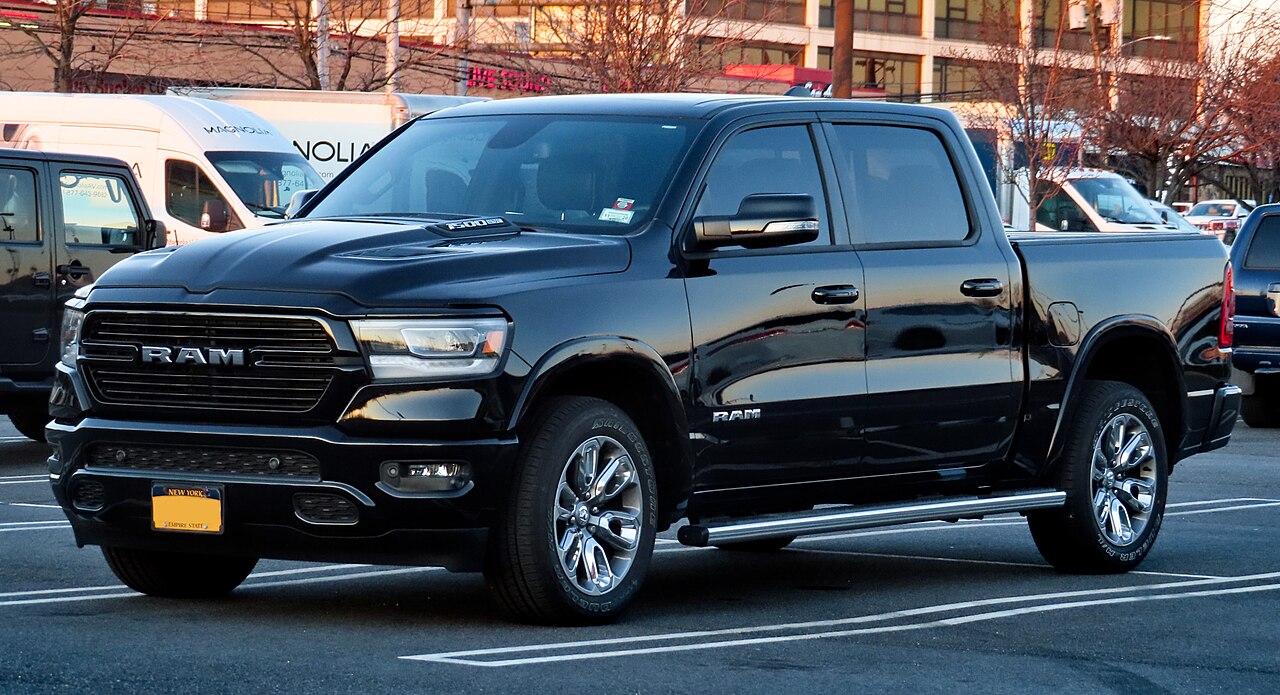
Here’s the short version: if you own a Ram 1500 built anytime from 2019 through 2026, the second-row seat belt buckle anchors in your truck may not have been installed the way they were supposed to be. That’s not a paperwork problem. In a crash, a belt anchor that isn’t bolted down right can let go, and the person sitting back there doesn’t get held the way the belt is designed to hold them.
Chrysler is recalling about 1.27 million of these trucks over it. That’s a big number, and it covers a lot of model years, so there’s a real chance yours is on the list.
What’s actually wrong
The problem is in the second-row seating, where the seat belt buckle anchors to the vehicle. Those anchors are the hard mounting points that take the load when a belt does its job. In a collision, the belt yanks tight, and every bit of that force runs down through the buckle into that anchor and into the body of the truck. That’s how a seat belt keeps a body in the seat instead of throwing it forward.
According to the filing, those buckle anchors may have been improperly installed. When that happens, the affected trucks fail Federal Motor Vehicle Safety Standard No. 210, which is the federal rule covering seat belt assembly anchorages. That standard exists for one reason — to make sure the anchor point can hold the load in a crash.
Here’s why it matters mechanically. A seat belt is only as strong as what it’s bolted to. You can have a perfect belt, a perfect buckle, and a perfect retractor, and none of it means anything if the anchor pulls loose under load. The filing spells out the consequence plainly: an improperly installed anchor may fail to properly restrain occupants, which raises the risk of injury in a crash.
The hard part for you as an owner is that this is invisible from the driver’s seat. You won’t hear a knock. You won’t get a warning light. The belt will click in and feel normal every single day, right up until the moment it’s asked to do the one thing it exists for. That’s what makes this kind of recall worth taking seriously even though nothing feels wrong.
What the filing says
The recall was reported by NHTSA the week of Aug. 10, 2026, and it covers the 2019 through 2026 Ram 1500. The affected count comes in at 1,271,294 trucks.
The defect described is the second-row seat belt buckle anchors being improperly installed, causing the vehicles to fail FMVSS No. 210. The stated safety risk is reduced occupant restraint in a crash and a higher chance of injury.
That’s the meat of it. The coverage from CBS42 and TopSpeed lines up on the core facts — roughly 1.2 to 1.27 million Ram 1500s, a seat belt anchor defect, model years 2019 through 2026.
What this means if you own one
If your Ram 1500 falls in the 2019-2026 range, treat this as something to act on, not something to file away.
-
Run your VIN. The affected-vehicle number is big, but it doesn’t mean every truck in these years is included. Check your specific VIN against the recall through NHTSA or with a Ram dealer. Your 17-digit VIN is the only way to know for sure whether your truck is one of the 1,271,294.
-
Don’t assume the back seat is fine because it feels fine. This defect doesn’t show symptoms you can feel. The buckle will latch normally. That’s exactly why it needs a physical inspection by someone who can verify the anchor is installed correctly.
-
A recall repair is free. Federal law says the manufacturer fixes a safety recall at no cost to you. You don’t pay for the labor, and you don’t pay for parts. If a dealer tries to charge you for correcting a recall defect, that’s not right — push back.
-
Document everything. Keep your recall notice, write down the date you contacted the dealer, and keep any paperwork from the repair. If you’ve got kids or passengers riding in that second row a lot, be mindful of where they’re seated until the truck is inspected.
-
Know your model year hub. You can read up on your specific truck here: 2019 Ram 1500, 2020 Ram 1500, 2021 Ram 1500, 2022 Ram 1500, 2023 Ram 1500, 2024 Ram 1500, 2025 Ram 1500, and 2026 Ram 1500.
The honest take
This is a big recall by the numbers, but a defect count in the seven figures doesn’t automatically mean your individual truck has the problem. It means enough trucks might that they’re checking all of them. That’s the system working the way it should.
What I’d tell you across the counter is simple. A seat belt anchor is one of those parts you never think about until it’s the only thing between a passenger and the dashboard. If your VIN comes up in this recall, get it inspected, get it corrected, and don’t let it slide just because the truck drives fine. It’ll drive fine either way. The fix costs you nothing but a little time, and it buys back the one thing you can’t see is missing.