Ford recalls F-150 and F-250 SD trucks over oil-contaminated power distribution box that can cause power/light
A loss of lighting, windshield wipers, ABS function, or drive power can increase the risk of a crash.
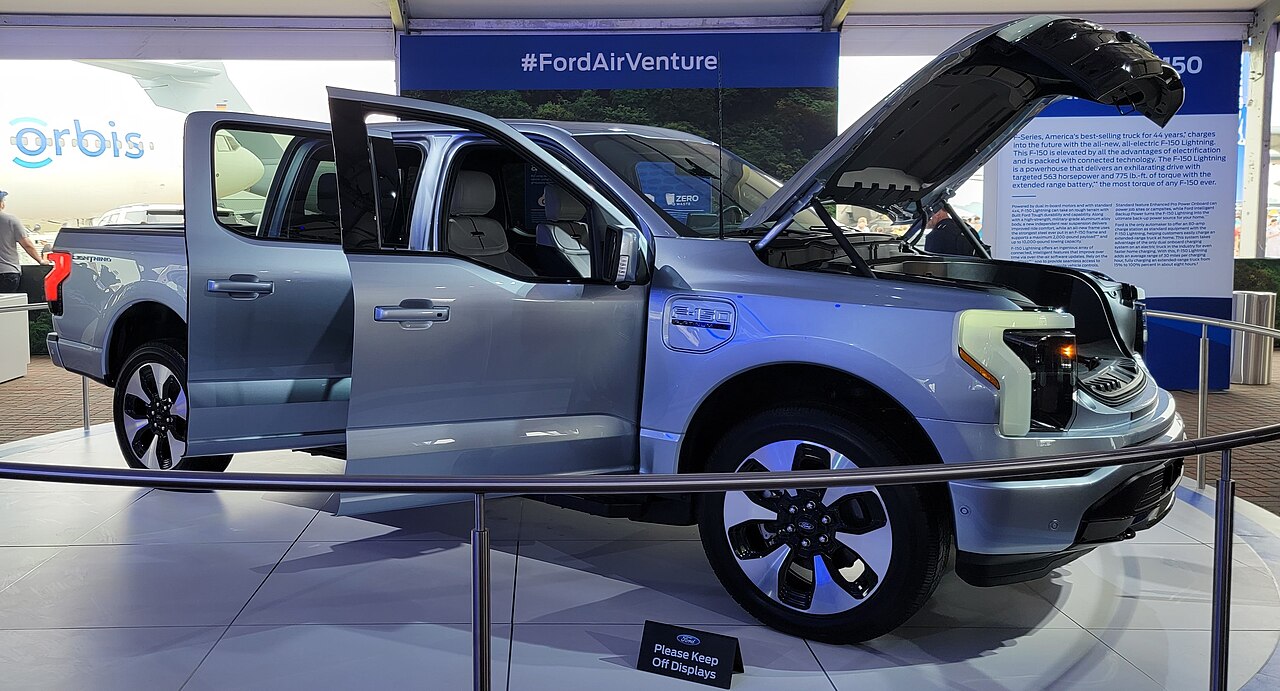
Here’s the short version: Ford is recalling nearly 6,000 F-150 and F-250 Super Duty trucks because the box that feeds electrical power through the truck can get contaminated with oil. When that happens, you can lose things you count on to drive safely — headlights, wipers, ABS, defogging, even drive power itself.
If you own one of these trucks, that’s not a press-release problem. That’s the difference between a normal drive home and a dark, wet windshield with no wipers and mushy brakes.
What actually fails
Every modern truck has a power distribution center, or PDC. Think of it as the electrical junction box — it holds fuses and relays and routes power to the systems that keep you moving and visible. It’s supposed to stay clean and dry inside.
On the affected trucks, oil can get into that PDC. Once oil contaminates the connections and components inside a power box, you get unreliable electrical behavior. According to the filing, that contamination can lead to a loss of drive power, ABS functionality, exterior lighting, windshield wipers, or defogging.
Break that down by what you’d feel behind the wheel:
- Lost drive power means the truck can cut out or stall. On a highway or crossing an intersection, that’s serious.
- Lost ABS means the anti-lock braking system stops helping you. In a hard stop or on a slick road, your wheels can lock and you lose steering control.
- Lost exterior lighting means headlights, taillights, or markers going dark — you can’t see, and nobody can see you.
- Lost wipers and defogging means you can’t clear rain or fog off the glass. You’re driving blind in bad weather.
The filing ties these failures to three federal safety standards: FMVSS 103 (windshield defrosting and defogging), FMVSS 104 (windshield wiping and washing), and FMVSS 108 (lamps and reflective devices). When a vehicle fails to meet those standards, that’s a legal defect, not a gray area.
Ford’s consequence statement is blunt: a loss of lighting, wipers, ABS function, or drive power can increase the risk of a crash.
What the filing says
The recall covers certain trucks with 8-inch SYNC screens. In the affected population, Ford lists the 2021-2023 F-150 and the 2023-2026 F-250 SD. The specific units named in this event are the 2021 Ford F-150 and the 2023 Ford F-250 SD.
The total number of vehicles affected is 5,919 — a relatively small recall by Ford’s standards, but that doesn’t make it minor if yours is one of them.
This showed up in NHTSA’s weekly recalls for the week of Aug. 3, 2026, reported through Trucks, Parts, Service. I’ll be straight with you on one point: a NHTSA campaign number could not be independently verified from the sources captured for this event. That means when you go to check your truck, you’ll want to search by your VIN rather than relying on a campaign ID I can’t confirm for you.
What this means if you own one
-
Run your VIN. Go to NHTSA’s recall lookup and enter your 17-digit VIN. That’s the only way to know for sure whether your specific truck is in this population of 5,919. Don’t assume — assume nothing based on year and model alone, because this is limited to trucks with the 8-inch SYNC screen. Your VIN is the deciding factor.
-
Don’t ignore a symptom. If your headlights flicker, your wipers quit, a warning light for ABS pops on, or the truck feels like it’s losing power, treat that as a safety issue and not a nuisance. Given what this recall describes, those aren’t random gremlins — they’re exactly the failures Ford is warning about. Get it looked at.
-
Document everything. If you’ve already had electrical trouble, save the repair orders, dates, and any notes on what the truck did. If you take it in for a symptom before the recall repair is available, keep that paperwork. It matters if you need to push for coverage or prove a pattern.
-
Know your rights on the repair. A safety recall repair is free. You don’t pay for parts or labor to fix a recall condition. When Ford sends owner notification letters, they’ll tell you the remedy and when parts are ready. If a dealer tries to charge you for this fix, that’s not how a recall works.
-
Keep an eye on the hub. You can follow updates and cross-check other issues on the 2021 Ford F-150 page as more detail comes out.
My honest take
This is a small recall in terms of numbers, but the failure mode is one of the more serious ones you’ll see. Oil in a power distribution box isn’t a check-engine-light annoyance. It can knock out several safety systems at once, and the ones on that list — brakes assist, lighting, wipers, drive power — are the systems you rely on most when conditions turn bad.
The good news is 5,919 vehicles is a tight population, and if your VIN isn’t on it, you can stop worrying. If it is, don’t sit on it. Run the VIN, watch for the symptoms I described, and get the free repair scheduled once Ford confirms the remedy. A dark windshield in the rain is not a problem you want to discover on the road.