GM recalls ~67,380 EVs for software defect causing temporary loss of braking
Temporary loss of braking ability increases the risk of a crash.
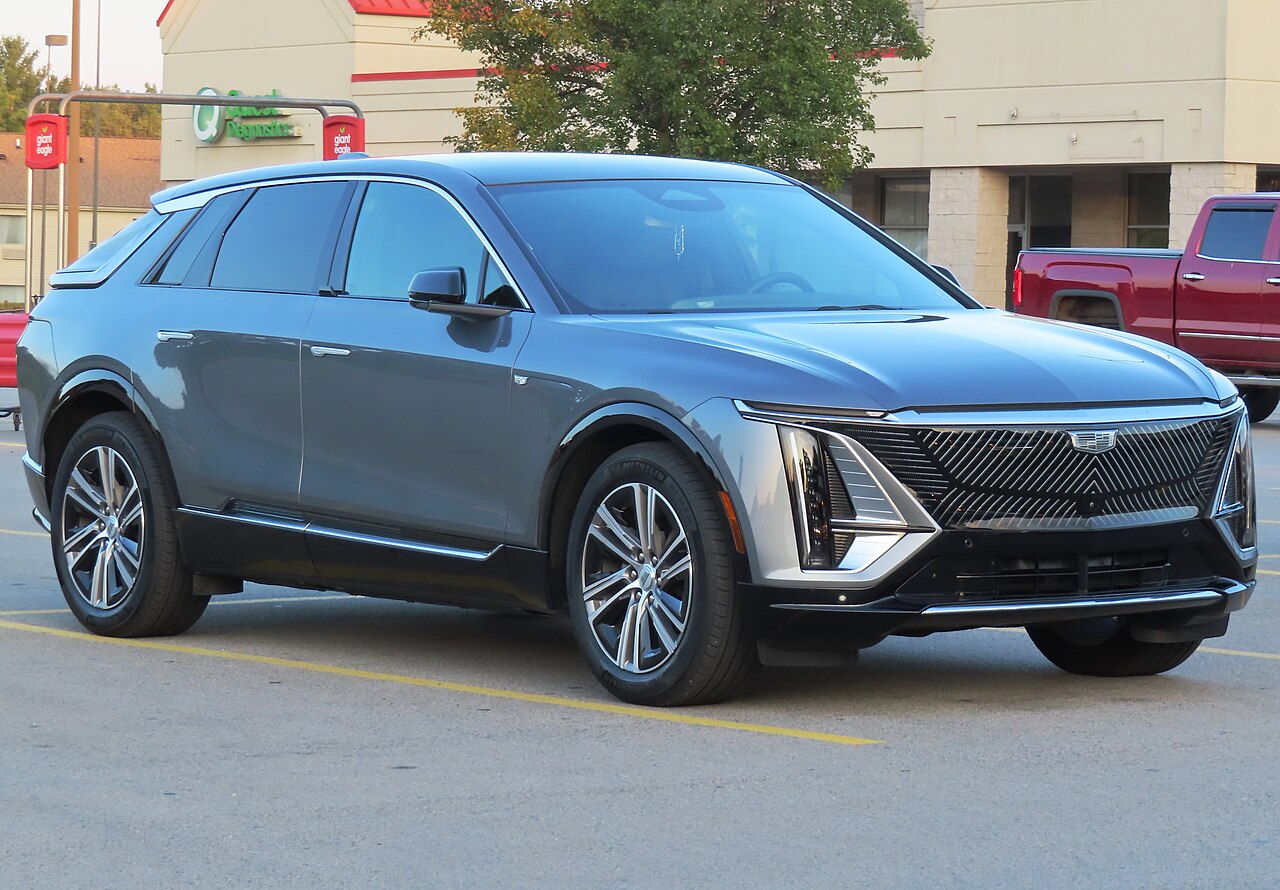
Here’s the short version: General Motors is recalling about 67,380 electric vehicles because a software defect can cause a temporary loss of braking under certain conditions. If you’re driving one of these Chevy or Cadillac EVs and the brakes briefly don’t respond, that’s exactly the problem GM is describing in this filing.
What actually fails
This isn’t a worn pad or a leaky caliper. It’s software. Under specific circumstances, a defect in the braking software can cause a temporary loss of braking ability. You press the pedal, and for that moment the braking you expect isn’t there.
The good news in the way this behaves: normal braking returns on the next brake press. So it’s a momentary lapse, not a permanent loss. But a momentary lapse in braking is still exactly what it sounds like at a stoplight or in slow traffic — enough to put you into the car ahead of you before you get a second chance at the pedal.
GM has reported 20 minor low-speed accidents tied to this, two of them with minor injuries. Those are the kinds of fender-taps that happen when braking doesn’t arrive when a driver expects it. The agency’s reasoning is straightforward: temporary loss of braking ability increases the risk of a crash.
Which vehicles are covered
The recall spans a mix of Chevrolet and Cadillac electric models across several model years:
- 2024, 2025, 2026, and 2027 Chevrolet Blazer EV
- 2023 Cadillac Lyriq
- 2026 and 2027 Cadillac Vistiq
- 2025 and 2026 Cadillac Celestiq
That’s a broad net across GM’s EV lineup, which tells you the shared software platform under these vehicles is the common thread. The total count is 67,380 vehicles.
The timeline
The recall surfaced in reporting dated November 4-5, 2026, covered by both Jalopnik and TechRadar. GM’s estimated owner notification is set to begin December 14. So between now and then, you may get word before you see any paperwork — and you shouldn’t wait on the mailer to act if you notice anything off with your brakes.
The fix
Because the defect is in software, the remedy is a software update. If you’ve opted in to over-the-air updates, GM can push the fix to your vehicle remotely. If you haven’t opted in, your dealer handles the update in the shop.
Either way, this is a recall repair, which means it costs you nothing. No parts to replace, no labor bill. A software flash is about as clean as a recall remedy gets — but it still has to actually land on your vehicle, and that’s on you to confirm.
What this means if you own one
-
Run your VIN. Don’t assume your specific vehicle is in or out based on the model name alone. Check your VIN against GM’s recall lookup or NHTSA’s site to confirm whether your car is covered. The spread of model years here means some of the same models from the same lot may or may not be affected.
-
Confirm your OTA status. If you’re opted in to over-the-air updates, watch for the push and make sure it installs. If you’re not opted in, call your dealer and get the software update scheduled. Don’t assume the update happened silently if you never signed up for OTA.
-
Don’t ignore a braking symptom. If you ever feel the brakes not respond for a moment, that’s not in your head and it’s not something to wait out. Normal braking is supposed to come back on the next press, but you should treat any lapse as a reason to get the vehicle in and get the update applied now, not later.
-
Document everything. If you’ve had a braking incident, write down the date, speed, and what happened. If you took it to a dealer, keep the paperwork. If you were one of the low-speed accidents, that record matters.
-
Know the repair is free. This is a recall. The update — OTA or dealer-performed — is at no cost to you. Nobody should be charging you for a software flash tied to this campaign.
If you want the broader reliability picture on the Cadillac side, our hubs for the 2023 Cadillac Lyriq and the 2026 Cadillac Vistiq are worth a look.
My honest take
A software recall for brakes sounds scarier than it plays out here, and I’ll be straight with you about why. The defect is temporary, it clears on the next brake press, and the reported incidents were minor low-speed accidents. That’s a very different animal than a hydraulic failure that leaves you with a floor-boarded pedal and no stopping power.
That said, I don’t want to downplay it. Brakes are the one system where “temporary” and “under specific circumstances” still deserve your full attention, because the moment it happens is the moment you need the car to stop. The fix is clean and free. Get your VIN checked, confirm the update lands on your vehicle — whether over the air or at the dealer — and don’t sit on any braking symptom between now and the December 14 notification date.