Toyota recalls about 62,490 Tundra trucks over an exhaust camshaft alloying error
A defective exhaust camshaft can lead to engine problems; the autoevolution report did not detail the specific failure/crash risk.
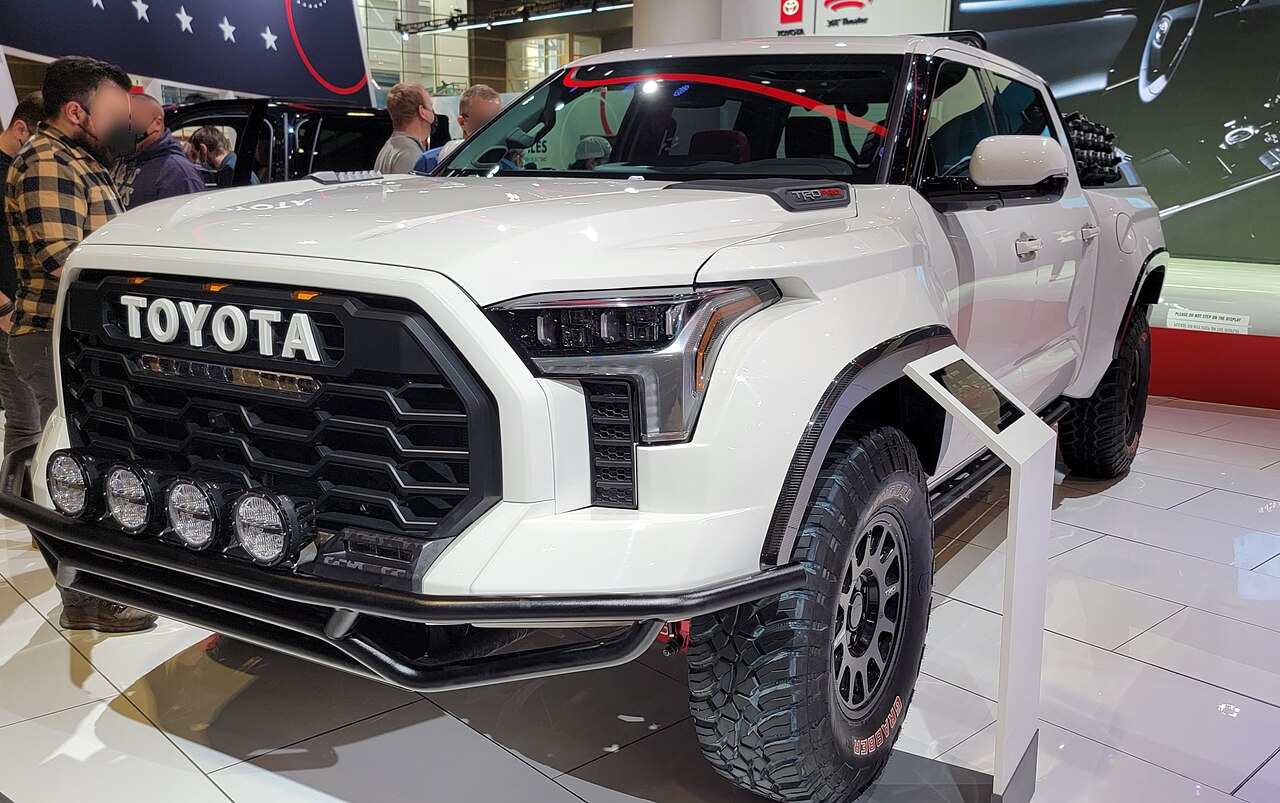
Here’s the short version: if you drive a V6 Tundra, Toyota just flagged a problem with a part buried deep inside your engine — the exhaust camshaft — because it was made with the wrong metal mix. That’s about 62,490 trucks pulled in for a recall. If one of them is sitting in your driveway, this isn’t a “someday” item to file and forget.
What actually went wrong
The recall comes down to an alloying error in the exhaust camshaft. In plain terms, the camshaft is the long, lobed shaft that opens and closes your engine’s valves at the right moment. It takes a beating every second the engine runs, so it has to be made from metal that’s tough enough to handle constant friction and load.
An alloying error means the metal itself wasn’t blended to the right spec. Get the alloy wrong and the part doesn’t have the strength or wear resistance it was supposed to. Over time, a camshaft that’s softer or more brittle than it should be can wear, deform, or fail.
Toyota’s filing ties this directly to engine problems. The autoevolution report covering the recall didn’t spell out the exact failure mode or crash risk, so I’m not going to put words in the filing’s mouth. What I can tell you from the bench is that when a camshaft starts going bad, it usually shows up as rough running, odd noises from the top of the engine, loss of power, or a check-engine light. A camshaft isn’t a part you want to gamble with, because it sits at the heart of how the engine breathes.
Which trucks are covered
This one hits non-hybrid Tundra trucks in the U.S. market across a few model years:
- 2022 Toyota Tundra
- 2023 Toyota Tundra
- 2025 Toyota Tundra
- 2026 Toyota Tundra
Note the gap — 2024 isn’t on the list, and hybrid versions aren’t included here either. The recall was reported on Nov. 20, 2026, covering roughly 62,490 trucks total.
What this means if you own one
-
Run your VIN. Model year and trim alone don’t tell you if your specific truck is affected. An alloying error traces back to parts made in a certain window, so the VIN is the only thing that tells the real story. Check it through Toyota and through NHTSA’s recall lookup. If your truck comes back as included, you’ll get instructions on next steps.
-
Don’t ignore engine symptoms while you wait. If your Tundra starts knocking, ticking louder than usual from up top, running rough, stalling, or throwing a check-engine light, don’t write it off as nothing. On a recall tied to the camshaft, those are exactly the kinds of signs that say get it looked at now, not after the weekend trip.
-
Document everything. If you take it in for any engine-related complaint before or during this recall, keep the paperwork. Dates, mileage, what the truck was doing, what the dealer found. If a camshaft problem turns into a bigger repair down the road, that paper trail is your proof you flagged it early.
-
Know the repair is free. A safety recall repair doesn’t come out of your pocket. That’s the law. When Toyota’s fix is ready, the dealer does the work at no charge to you. Don’t let anyone talk you into paying for a “related” service that’s actually covered under the campaign.
-
Don’t let it sit on the lot either. If you’re shopping a used Tundra in one of these years, treat this recall as part of your homework. Ask the seller whether the recall work has been done, and verify it yourself by VIN before money changes hands.
My honest take
This is an engine-internal problem, and those always make owners nervous — for good reason. The camshaft isn’t a trim piece or a sensor you can swap in the parking lot. It’s a core part of how the engine runs.
The upside is that Toyota caught this and opened a recall, which means the fix is on them, not you. The frustrating part is that the available reporting through autoevolution didn’t lay out the exact failure or crash risk, so you’re left knowing the “what” without the full “how bad.” Until more detail is public, the smart play is simple: confirm whether your truck is on the list, stay alert to any change in how the engine sounds or runs, and get the free repair done as soon as Toyota’s remedy is available. A camshaft made from the wrong alloy is not something you ride out and hope for the best.
Source: autoevolution recalls — https://www.autoevolution.com/news/recalls/