2017 Tesla Model 3 Recalled Over Exterior Lighting
Headlight low beams that are too bright can reduce visibility for oncoming drivers, increasing the risk of a crash.
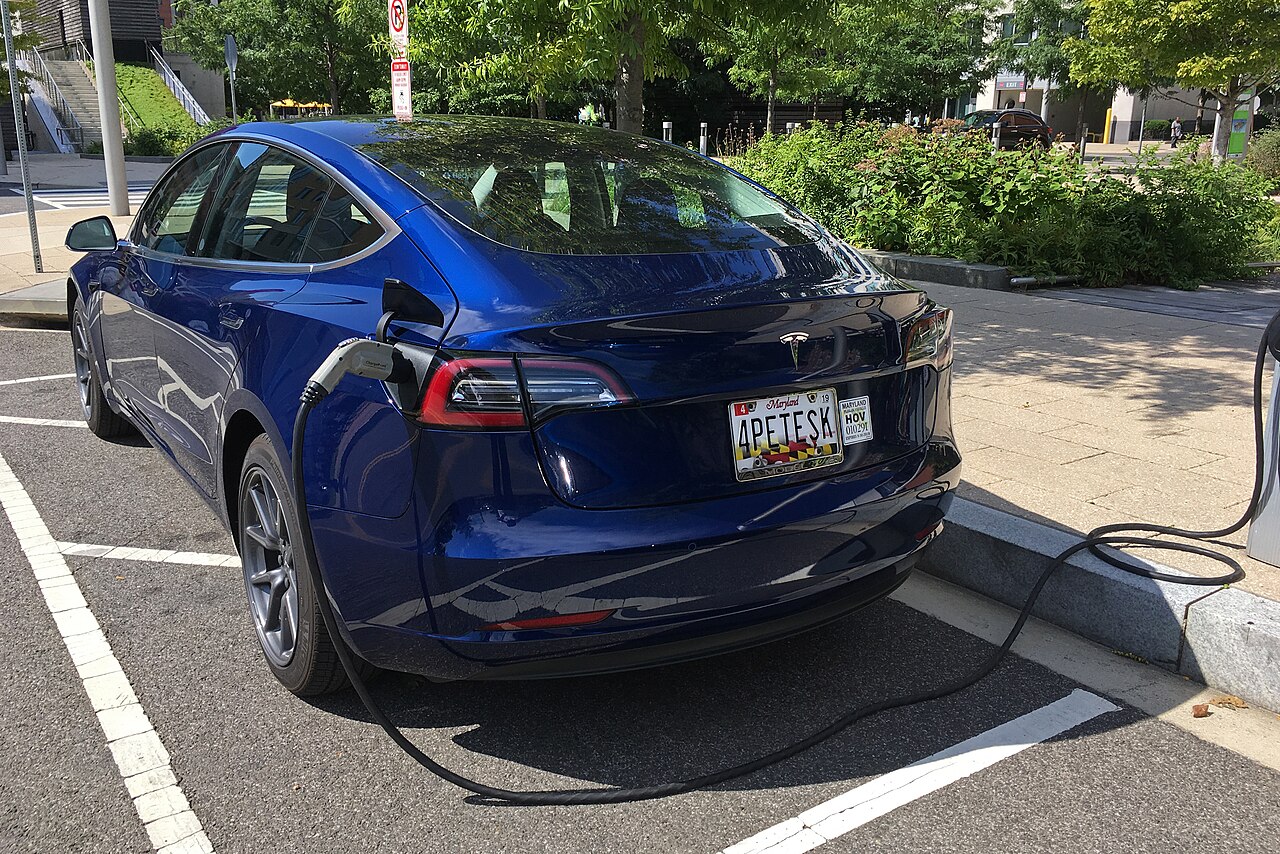
Here’s the short version: your Tesla’s headlights might be blinding the driver coming the other way. Tesla is recalling certain Model 3 and Model Y vehicles because the low beams put out more light than federal rules allow. That’s the kind of problem you don’t notice from behind the wheel, but everyone driving toward you does.
The recall carries NHTSA campaign number 26V507000, and it covers 20,349 vehicles.
What’s actually wrong
Your headlights have two jobs, and they’re supposed to keep them separate. High beams throw a lot of light down the road for open highway. Low beams are the polite setting — enough light to see, but aimed and limited so you’re not frying the eyes of oncoming traffic.
On the affected cars, the low beams are too bright. They exceed the maximum light output the federal standard allows. That standard is Federal Motor Vehicle Safety Standard 108, which governs lamps and reflective equipment. It sets a ceiling on how much light a low beam can put out for exactly this reason.
When a low beam runs too hot, an oncoming driver gets a face full of glare. Their pupils clamp down, their vision washes out, and for a second or two they can’t see the road, the lane lines, or anything in the dark beyond your car. That’s the crash risk here. It’s not your visibility that suffers — it’s theirs, and that’s the person you might hit.
You won’t feel this defect. There’s no knock, no warning light, no stall. Your car drives fine. The problem shows up in the other lane, which is part of why a recall like this matters.
What the filing says
Tesla, Inc. filed this recall, and NHTSA received it on August 4, 2026. The filing covers certain 2017–2023 Model 3 and 2020–2023 Model Y vehicles.
Here’s the honest part you need to know: the remedy is still under development. Tesla hasn’t finalized the fix yet. Owner notification letters are expected to go out September 15, 2026. So there’s a gap between now and when you’ll get a clear answer on what the repair looks like.
Tesla’s internal number for this recall is SB-24-17-003. If you call, that’s the reference you want in front of you.
What this means if you own one
-
Run your VIN. Not every Model 3 or Model Y in these years is included — recalls target specific builds. Go to the NHTSA lookup for campaign 26V507000 and enter your VIN, or check your VIN through Tesla directly. Don’t assume you’re in or out based on the model year alone.
-
Know that the fix isn’t ready yet. The filing says the remedy is under development and letters are expected September 15, 2026. That means you may hear about the recall before there’s a repair to schedule. That’s normal for how these things get filed. Keep the campaign number handy so you can follow up.
-
Watch for the notification letter. When it arrives, read it. It’ll tell you what the remedy is and how to get it done. A headlight output problem like this could be corrected with a software or aiming adjustment rather than new hardware, but Tesla hasn’t confirmed that, so wait for the official word.
-
The recall repair is free. Federal law requires the manufacturer to fix a safety recall at no cost to you. If anyone tells you otherwise, that’s not right. You don’t pay for a recall remedy.
-
Call Tesla if you need answers sooner. Customer service is at 1-877-798-3752, and the recall reference is SB-24-17-003. That’s the fastest way to get straight information about your specific car.
-
Document everything. Keep the letter, note the dates, and hang onto any service records tied to this recall. If your car’s included and the fix gets delayed or the story changes, a paper trail is worth having.
If you want to keep track of your specific model, we have hubs for the 2018 Tesla Model 3, 2019 Tesla Model 3, 2020 Tesla Model 3, 2021 Tesla Model 3, and 2022 Tesla Model 3, along with the 2020 Tesla Model Y, 2021 Tesla Model Y, and 2022 Tesla Model Y.
My take
This isn’t a fire-and-brimstone recall. Your car isn’t going to leave you stranded or hurt you directly. But a headlight that’s too bright is a real safety issue for the people around you, and it’s exactly the kind of thing FMVSS 108 exists to catch. Tesla filing it means they’ve acknowledged the cars don’t meet the standard.
The frustrating part is the timeline. The remedy is still being developed, and notification isn’t expected until September 2026. So if your VIN comes back affected, you’re in a holding pattern for a bit. Run your VIN now, keep the campaign number, and act on the letter when it lands. The fix will be free — you just have to wait for it to be ready.