Tesla recalls 2017-2023 Model 3 and 2020-2023 Model Y over too-bright low-beam headlights
Excessively bright headlights can create glare for oncoming drivers, increasing the risk of a crash.
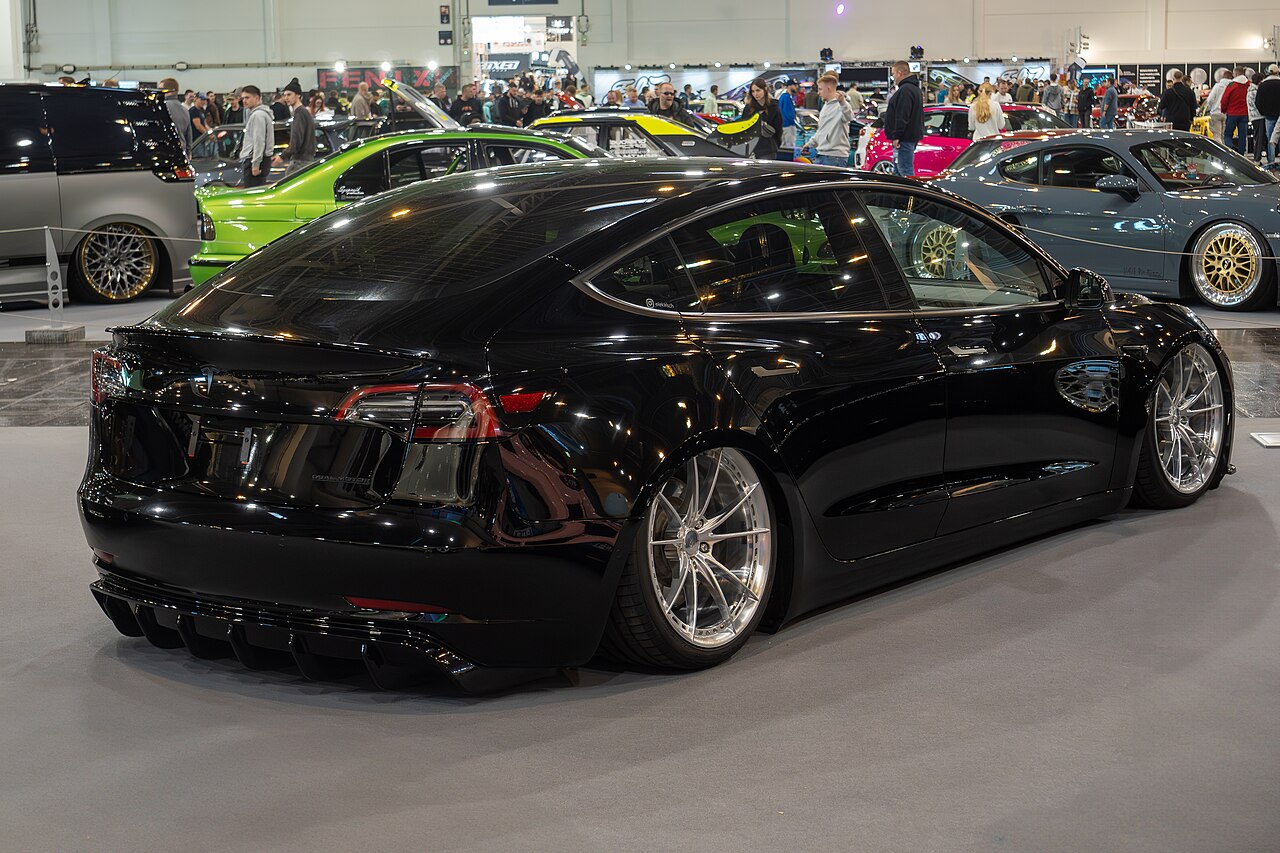
Here’s the short version: Tesla is recalling a batch of Model 3 sedans and Model Y crossovers because their low-beam headlights can shine too bright, and that’s not just annoying for the guy coming at you — it’s a federal safety problem.
If you drive one of these cars, this is worth two minutes of your attention. The fix is a headlight issue, not a fender-bender waiting to happen inside your own car, but the risk lands on everybody sharing the road with you at night.
What’s actually wrong
The problem is glare. Tesla told NHTSA that the low-beam headlights on these vehicles may be too bright, which puts them out of compliance with Federal Motor Vehicle Safety Standard 108. That’s the standard that covers “Lamps, Reflective Devices, and Associated Equipment” — basically the rulebook for how bright your lights are allowed to be and where that light is supposed to point.
Low beams have limits for a reason. They’re the setting you’re supposed to use around other traffic so you’re not blinding the driver in the oncoming lane. When a low beam throws more light than the standard permits, you get glare in the other person’s eyes. Per the filing, excessively bright headlights can create glare for oncoming drivers and increase the risk of a crash.
Here’s the part that matters mechanically: you, the owner, probably won’t notice a thing. Your own view down the road might even look great. The people who suffer are the drivers heading toward you. That’s why this is a compliance recall rather than something you’d feel as a fault in your own car. There’s no knock, no stall, no warning light telling you the beams are too hot. The car works exactly as you expect. It just doesn’t meet the federal spec.
What the filing says
The recall carries NHTSA campaign number 26V507 and covers about 20,349 vehicles. The affected models are the 2017–2023 Tesla Model 3 and the 2020–2023 Tesla Model Y.
It showed up in NHTSA’s batch of recalls for the week of Aug. 17, 2026, reported roughly three days before Aug. 20, 2026, according to WBIW’s rundown of the agency’s multiple-vehicle recalls that week.
That’s the extent of what’s confirmed in the filing right now. The cause listed is the noncompliance with FMVSS 108 — the too-bright low beams — and the safety consequence is glare for oncoming traffic.
What this means if you own one
If you’ve got a Model 3 or Model Y in that year range, here’s how I’d handle it.
-
Run your VIN. Don’t assume you’re in or out based on the model year alone. Go to nhtsa.gov/recalls, punch in your 17-digit VIN, and see if campaign 26V507 comes back attached to your car. That’s the only way to know for sure whether your specific vehicle is included.
-
Watch for the official notice. Recalls like this get repaired at no cost to you. Tesla will send owner notifications and lay out the remedy. When that letter or in-app notice lands, read it and follow the instructions for getting the correction done.
-
Don’t pay for a headlight “fix” on your own. This is a free recall repair. You shouldn’t be spending money at a shop to sort out a compliance problem the manufacturer is on the hook for.
-
Keep your paperwork. Save the recall notice and any service records tied to 26V507. If there’s ever a question about whether the correction was applied to your car, documentation is your friend.
-
Be considerate at night in the meantime. You can’t feel this defect from the driver’s seat, and the car is safe to drive. But if another driver flashes you or you get complaints about your lights, that’s a real-world sign your beams might be part of the problem. Get the recall handled promptly.
You can check your model’s history and details on the ProblemsByVin hubs for the 2017 Tesla Model 3, the 2023 Tesla Model 3, the 2020 Tesla Model Y, and the 2023 Tesla Model Y.
My honest take
This isn’t a scary recall. Nobody’s engine is going to grenade, and your car isn’t going to leave you stranded because of it. It’s a lighting compliance issue, and the fix is free. That’s about as low-drama as recalls get.
But low-drama doesn’t mean skip it. Glare-related crashes are real, and the driver most exposed here is the stranger coming the other way who can’t see past your headlights. Run your VIN, get the correction done when Tesla makes it available, and keep the paperwork. That’s the whole job.