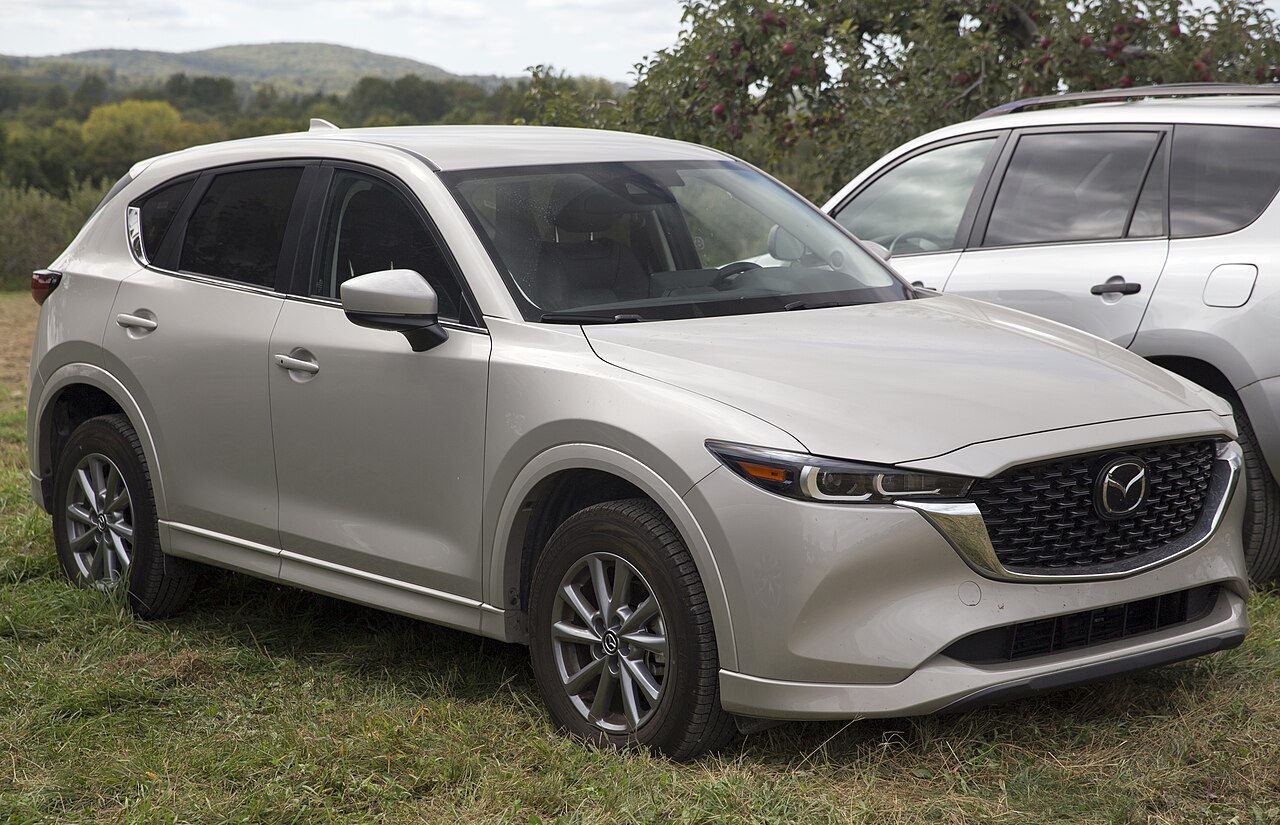
Most of what I write here is a warning. This one isn’t. The 2017 Mazda CX-5 is one of the genuinely low-risk used vehicles in our entire database, and it’s worth saying so plainly.
The numbers: about 143 NHTSA owner complaints, a strong reliability score, and not on our worst-platforms list anywhere. For context, same year, same segment: the Ford Escape sits north of 2,500 complaints, the Honda CR-V over 1,700, and even the Toyota RAV4 — the segment’s reliability benchmark — runs around 300. The CX-5 undercuts the RAV4.
Why it holds up
Two structural reasons most of its competitors can’t match:
- Conventional automatic, not a CVT. The CX-5 uses a real torque-converter six-speed. It sidesteps the single most common drivetrain failure on compact crossovers of this era — the CVTs that put Nissan and others on our list.
- The Skyactiv-G 2.5 is well-designed. It’s direct-injected, so carbon buildup is a long-term maintenance item (an intake cleaning somewhere past 100k if it ever runs rough), but it has no systemic failure pattern.
What to watch (minor)
- Carbon buildup down the road on the direct-injection engine — run Top Tier fuel, keep oil clean
- Normal high-mileage items: brakes, suspension bushings
- Infotainment quirks on early units, not a reliability concern
That’s genuinely most of the list.
Should you buy one?
Yes — buy it like any normal used car: clean service history, no accident damage, a pre-purchase inspection. There’s no engine or transmission landmine to interrogate here, which is rare for the segment.
The only place the math gets interesting is price. The CX-5 holds value because it deserves to, so don’t overpay — but at a fair number, a 2017 with records is about as safe as a used crossover gets. If you’re cross-shopping it against a riskier rival and weighing coverage, the warranty calculator will usually tell you to skip it on the CX-5 — and that’s the honest answer, not a missed sale.