Free. Instant. No signup. Pulls recalls and complaints for your exact vehicle.
Couldn't find that VIN. Check the digits and try again.
ProblemsByVinFile / 2020-CHRYSLER-PACIFICANHTSA data synced 7 hours ago
Chrysler
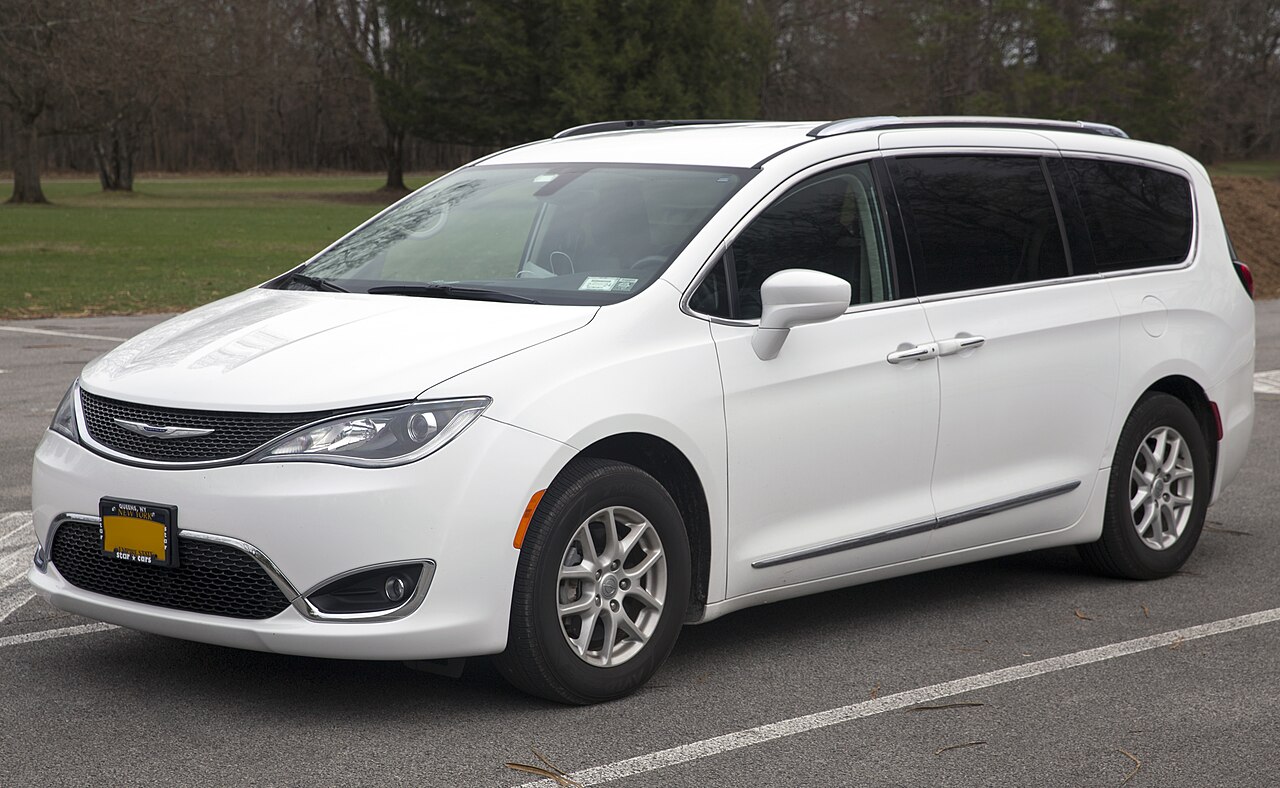
2020 Chrysler Pacifica problems
The 2020 Chrysler Pacifica has 168 NHTSA owner complaints and 5 active recall campaigns on file. Here's the breakdown — what's serious, what's noise, and what a working mechanic would actually do about it.
The 2020 Chrysler Pacifica has 168 NHTSA owner complaints and 5 recalls on file (U.S. federal records, as of September 2026). The most-reported system is electrical at 48 complaints (~$850 to repair). Source: NHTSA Office of Defects Investigation.
Average for the segment. Some recurring trouble spots worth knowing about.
0
Critical
5
Severe
0
Moderate
Should you avoid this 2020 Pacifica?
Acceptable — with caveats
Worth owning if you verify the specific issues below before you buy.
Steering: 31 complaints, classified severe
Reliability score 6.6/10 — around the segment average
5 recall campaigns on file
Our read of the federal NHTSA complaint and recall record for this exact year and model —
not a substitute for a pre-purchase inspection. How we score.
NHTSA crash-test safety ratings
5 / 5 overall
Overall★★★★★5/5
Frontal crash★★★★★5/5
Side crash★★★★★5/5
Rollover★★★★★4/5
Driver-assist features on the tested model:
Electronic stability control: Optional · Forward collision warning: Optional · Lane departure warning: Optional
Source: NHTSA New Car Assessment Program — tested configuration: 2020 Chrysler Pacifica VAN FWD. Stars rate crash protection in NHTSA's tests, not overall reliability — see the owner-complaint data below for what actually goes wrong.
Buying a used 2020 Chrysler Pacifica? Check these first
Here's what this model is known to do — so you can inspect for it, price it in, or
make the seller fix it before you sign.
What to inspect on this specific car
electrical — 48 owner reports
· ~$850 to fix
powertrain — 36 owner reports
· ~$2,500 to fix
steering — 31 owner reports
· ~$700 to fix
engine — 18 owner reports
· ~$3,100 to fix
⚠ The one to take seriously: steering is flagged
severe on this model
.
Inspect it closely on a test drive.
Recalls to confirm are done
Run the VIN from the listing — 5 active recalls on this model. Recall repairs are always free.
Verdict for buyers: 6.6/10 model. The priciest documented failure is
engine (~$3,100) — get the
seller's service records for it or inspect closely. Otherwise an average-risk used buy at a fair price.
We tell you what this model is known for and what to inspect — a vehicle-history report
tells you what this exact car has been through. Smart buyers get both.
A noise, a warning light, a repair quote, "should I buy this?" — get an answer grounded in
this vehicle's actual NHTSA record, not generic advice.
Dash light, leak, worn part — snap it and we'll read it against this car's record.
Photo attached — type a question or just hit Ask.
Answers use this vehicle's NHTSA complaint & recall record — owner-reported and unverified, not a diagnosis. Verify anything safety-critical with a mechanic.
Embed this reliability snapshot
Free to use on your site, post, or video — just keep the "Source" credit line below the chart. Preview the widget →
“Are Chryslers as bad as everyone says?” Honest answer: the reputation is part earned, part outdated — and the Pacifica is the case where it’s mostly outdated. It’s not Toyota-reliable, but it’s not the disaster the brand’s name implies, and it’s a real value against an overpriced Sienna or Odyssey. The 2020 sits at moderate complaint levels, nothing catastrophic.
The thing nobody tells you: gas vs hybrid are different animals
Gas Pacifica: the 3.6 Pentastar (the late, sorted version — not the bad early-Pentastar era) on a nine-speed automatic. That nine-speed is the FCA version of the ZF 9-speed, which is on our worst-platforms list. It’s the weak point — occasional rough/confused shifts and the odd fault. FCA improved the calibration over the years, but test-drive it hard (slow-speed and downshifts).
Hybrid Pacifica: here’s the sleeper. The hybrid sidesteps the nine-speed entirely — it uses an eCVT, the Toyota-Prius-style planetary type (no nine-speed, no belt CVT). That transmission is arguably more reliable than the gas van’s. It’s also a plug-in (~32 mi electric), so running-cost savings are big. Catch: the 2017-2018 hybrids had a battery-fire recall (resolved on 2020+, but VIN-check anyway), it’s complex out of warranty, but the hybrid/battery components carry a long federal warranty (often 10yr/150k) — a real safety net.
What to watch (both)
Electrical/Uconnect quirks, auto stop-start annoyances
Stellantis recalls these a lot — run the VIN and confirm everything’s closed
Gas: the nine-speed. Hybrid: HV system, recall history
Should you buy one?
A 2020 Pacifica is a legit value vs Toyota/Honda money. The hybrid is the smarter mechanical pick (no nine-speed, big fuel savings, long battery warranty) — buy one with recalls confirmed and ideally remaining warranty. The gas one is fine too, just know the nine-speed is the watch item and test it thoroughly. Not as bad as everyone says — just buy it informed. On the gas van especially, run the warranty math; on the hybrid, the factory coverage often already has you covered.
What owners are saying
recent NHTSA-filed complaints · verbatim
2020 Pacifica· electrical
The contact owns a 2020 Chrysler Pacifica. The contact stated while driving at an undisclosed speed, the vehicle lost motive power. No warning lights were illuminated. After multiple attempts, the vehicle was able to be restarted. The contact stated that the failure recurred.…
The vehicle is unsafe to operate and presents an immediate highway safety risk. Shortly after purchase, the vehicle experienced multiple safety-related failures. Headlights were inoperable from the time of delivery, requiring use of high beams at night to see the roadway. This…
Tl* the contact owns a 2020 Chrysler pacifica. The contact stated that while driving 55 MPH, the vehicle swayed. The sway, electric stabilizer, and crash warning lights were illuminated. The vehicle was taken to walt massey Chrysler Dodge Jeep Ram (602 western bypass, andalusia,…
Severe shaking, or rough idle, when in park or drive but at stop. Chrysler dealership was washed their hands of this issue. I have had it in at least 4 times for rough idle/shaking issue. Has yet to be resolved and is still under warranty.
Had a problem with your 2020 Chrysler Pacifica?
File a complaint with NHTSA → It's free and official — owner filings are what build the federal safety record behind this page.
Estimate your repair exposure
Drag to your current mileage. Numbers are derived from this vehicle's complaint history.
Chrysler (FCA US, LLC) is recalling certain 2020-2022 Pacifica Plug-In Hybrid Electric (PHEV) vehicles
A vehicle fire increases the risk of injury.
Fix: Owners are advised not to charge their vehicles, and to park outside and away from structures, until their vehicle is repaired. Dealers will update the high voltage battery pack control module software. In addition, dealers will inspect and replace the battery pack assembly, as necessary. All repairs will be performed free of charge. Owner notification letters were mailed beginning June 23, 2026. Owners may contact FCA US LLC customer service at 1-800-853-1403. FCA US LLC's number for this recall is 52D. The Vehicle Identification Numbers (VINs) involved in this recall will become searchable on NHTSA.gov on June 11, 2026.
Rollx Vans (Rollx) is recalling certain GMC Yukon, Sierra, Chevrolet Express 2500, Ford Transit, E-250, Toyota Sienna, Sienna Hybrid, Honda Odyssey, Chrysler Town and Country, Voyager, Pacifica, Dodge Grand Caravan, and Ram Promaster vehicles equipped with QRT-Deluxe and QRT-Max wheelchair restraints
An unsecured wheelchair can move during transit, increasing the risk of injury.
Fix: Rollx will work with Q'Straint to inspect and replace the retractors as necessary, free of charge. Owner notification letters were mailed February 5, 2026. Owners may contact Rollx's customer service at 1-800-956-6668.
Chrysler (FCA US, LLC) is recalling certain 2020-2023 Pacifica and 2020-2021, 2023 Voyager vehicles
An air bag that does not deploy during a crash increases the risk of injury.
Fix: Dealers will secure the connector, free of charge. All vehicles have been remedied. Owner notification letters were mailed October 22, 2024. Owners may contact FCA customer service at 1-800-853-1403. FCA's number for this recall is A8B.
It's got known weak points. With a reliability score of 6.6 out of 10 based on 168 owner complaints filed with NHTSA, the 2020 Chrysler Pacifica has a higher-than-average rate of reported issues. The areas to watch are listed above. Whether it's worth owning depends on price, condition, and how much repair exposure you can absorb.
Should you avoid the 2020 Chrysler Pacifica?
The 2020 Chrysler Pacifica is acceptable, with specific caveats. Worth owning if you verify the specific issues below before you buy. The record behind that call: Steering: 31 complaints, classified severe; Reliability score 6.6/10 — around the segment average; 5 recall campaigns on file. This is our read of the federal complaint and recall data — not a substitute for a pre-purchase inspection.
What should I check before buying a used 2020 Chrysler Pacifica?
Inspect the electrical first — it's the most-reported issue on this model, with 48 owner complaints filed. Average repair cost runs about $850 at an independent shop. Also confirm any open recalls have been completed by running the VIN, and ask for service records covering the problem areas listed above.
Is the 2020 Chrysler Pacifica a good used car to buy?
It scores 6.6 out of 10 on our NHTSA-based read of 168 owner complaints. The main thing to watch is electrical. Priced fairly and clean on inspection, it's a reasonable used buy. Our data covers what this model is known for — pair it with a vehicle-history report on the VIN to see what that specific car has been through.
What's the most common problem on the 2020 Chrysler Pacifica?
Based on NHTSA records, the most-reported issue is electrical, with 48 complaints filed. Average repair cost runs about $850 at an independent shop.
What's the most expensive thing that goes wrong?
The electrical is one of the costlier repair items. Average repair cost runs about $850 at an independent shop. Catching early warning signs can sometimes extend life by 20–30,000 miles.
How do I check if my Chrysler Pacifica has open recalls?
Paste your VIN into the decoder at the top of this page. We pull live from NHTSA, so you'll see exactly which campaigns apply to your vehicle and whether the dealer has logged the fix. Recall repairs are always free regardless of mileage or warranty status.
Is an extended warranty worth it on a 2020 Chrysler Pacifica?
Math is straightforward: a quality service contract runs $1,800–3,500 over 3 years. With 168 complaints on file and the costliest repair averaging $850, one major failure more than pays for it. The catch is reading the contract — many providers exclude wear items and require pre-authorization, so cheaper plans are not always better value.
Recall and complaint data sourced from the National Highway Traffic Safety Administration (NHTSA)
public records database, last synced 7 hours ago. Verify the raw federal record at
nhtsa.gov/vehicle/2020/Chrysler/Pacifica.
Editorial commentary written by ProblemsByVin contributors and reviewed by ASE-certified mechanics.
We are not affiliated with Chrysler. Some links on this page are affiliate links and we
may earn a commission if you purchase through them.